




The Great Air Purification Myth
The most persistent claim about indoor plants is that they are tiny, natural air purifiers. This idea largely stems from a 1989 NASA study which found that plants could remove volatile organic compounds (VOCs) like benzene and formaldehyde from the air.
The catch? The study was conducted in small, sealed chambers, not a typical home or office with drafts and ventilation. Subsequent research has shown that to replicate NASA's findings in an average room, you would need an unfeasible number of plants—some estimates suggest between 10 and 1,000 plants per square metre. In reality, a building's natural ventilation does far more to clean the air than a few potted ferns. While plants do absorb some pollutants, their impact on overall indoor air quality is minimal.
A Proven Boost for Mental Health
While they may not be air-scrubbing powerhouses, the psychological benefits of indoor plants are well-documented and significant. Numerous studies show that interacting with plants can reduce both physiological and psychological stress. The simple act of tending to a plant can lower levels of the stress hormone cortisol, reduce blood pressure, and slow your heart rate. This connection to nature, known as biophilia, suggests humans have an innate tendency to seek connections with the natural world. Having plants indoors satisfies this urge, helping to improve mood, reduce anxiety, and create a calmer, more restorative environment. Studies have even shown that plants in an office can increase productivity and job satisfaction.
More Than Just a Pretty Leaf
Beyond the significant mental uplift, houseplants offer other tangible, if subtle, benefits. Through a process called transpiration, plants release moisture into the air, which can help increase humidity. This is particularly useful during dry winter months, potentially reducing the incidence of dry skin and sore throats. The act of caring for a living thing can also be deeply therapeutic, providing a sense of purpose and routine. The aesthetic value is undeniable; plants soften architectural lines, add colour and life, and can make a space feel more welcoming and complete. Simply put, they make our indoor environments more beautiful and pleasant places to be.
Where They Fall Short
It's important to acknowledge the downsides. For one, houseplants require care. They can be messy, need specific light and water, and can become a source of stress if their needs aren't met. They can also attract pests like fungus gnats. For people with certain allergies, plants can be problematic. Damp soil can become a breeding ground for mould, which releases spores into the air and can trigger allergic reactions. Furthermore, many common houseplants are toxic to pets and children if ingested, requiring careful placement and supervision.
The Right Plant for the Right Reason
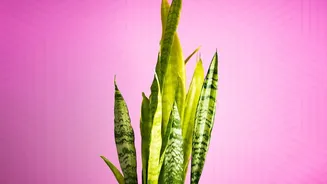
Choosing a plant should be about realistic expectations. If your primary goal is to purify the air, investing in a high-quality air purifier is a far more effective strategy. But if you're looking for a way to reduce stress, beautify your space, and connect with nature, a houseplant is an excellent choice. The best plant for you is one whose appearance you enjoy and whose care requirements fit your lifestyle. Research from the University of Reading suggests that people have strong preferences for plant shapes, and choosing one you find personally attractive is key to reaping the psychological rewards. Whether it's a low-maintenance snake plant or a flowering orchid, the real benefit comes from the daily interaction and the simple joy of watching something grow.