





The Seeds of an Industry
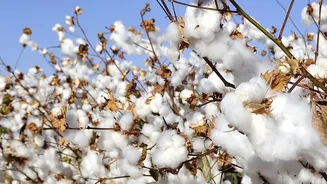
Long before the hum of machinery, Coimbatore's story began with its soil. The region's fertile black earth was perfect for cultivating cotton, making it a key player in trade routes for centuries. Historical records show that cotton from the Kongunad
region was prized even in ancient Rome, used to fashion the togas of senators. This deep-rooted connection to cotton farming laid the essential groundwork for the industrial revolution that would later define the city. The local strain of cotton, combined with newer varieties like Cambodia cotton introduced later, created a robust supply chain waiting for the spark of technology.
The Dawn of the Mill Era
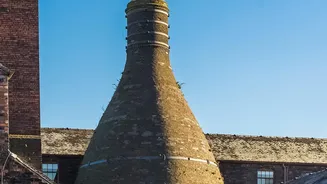
The industrialisation of Coimbatore began in the late 19th century. In 1888, Sir Robert Stanes established the Coimbatore Spinning and Weaving Mills, the city's first modern textile factory. This marked a turning point, ushering in an era of mechanisation. The real boom, however, arrived in the 1930s with the advent of hydroelectric power from the Pykara project. Reliable and cheap electricity allowed mills to run continuously, leading to a rapid expansion of the industry. Visionary local entrepreneurs founded numerous mills, including Kaleeswarar Mills, Lakshmi Mills, and Saroja Mills, transforming the city's landscape and economy.
Becoming the 'Manchester of South India'
The nickname 'Manchester of South India' isn't just a catchy phrase; it's a direct comparison to Manchester, England, the heart of the global cotton industry during the Industrial Revolution. Coimbatore earned this title due to its sheer concentration of textile mills, spinning units, and a booming economy centered around cotton. The city became a powerhouse for yarn production, not just supplying the region but also exporting its goods. This industrial boom created immense employment opportunities, attracting workers from across the region and establishing a new urban working class, proud of their role in the city's success.
Tracing the Heritage Today
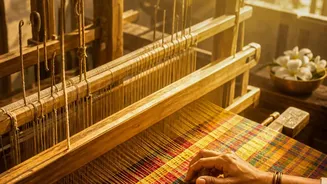
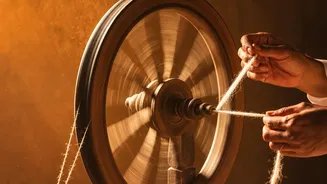
While many of the original, towering mill structures have given way to modern development, their legacy endures. Some old mill names now simply mark bus stops, a poignant reminder of a bygone era. However, for the curious heritage traveller, the story is still accessible. The best place to start is the Kasthuri Sreenivasan Art Gallery and Textile Museum. Here, visitors can see the evolution of textile technology through exhibits of old looms, spinning wheels, and historical fabrics. A walk through the older parts of town, particularly the trading hubs of Oppanakara Street and Sukrawarpet, still offers a glimpse into the commercial spirit forged by the textile trade.
From Mill to Market
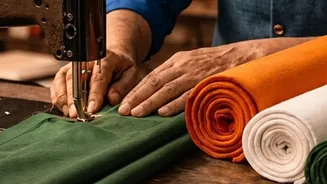
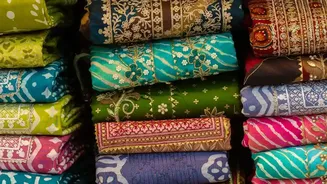
Coimbatore's textile industry is far from being just a museum piece. The city remains a major hub for textiles, engineering, and manufacturing. It is a prime destination for purchasing high-quality fabrics, with markets and showrooms offering everything from traditional handloom sarees to modern garments. The famous 'Kovai Cora Cotton', a unique blend of silk and cotton, is a Geographical Indication-recognised textile that is a must-buy for visitors. This fabric embodies the region's innovative spirit, combining comfort and elegance. Shopping for these textiles directly supports the local economy and the artisan communities that continue the weaving traditions.