



The Enduring Charm of Chutney
In India, a meal often feels incomplete without a spoonful of chutney on the side. This versatile condiment, whose name is derived from the Hindi word 'chaatna' (to lick), is a flavour bomb that can be hot, tangy, sweet, or savoury. Traditionally made
from fruits, herbs, and spices, chutneys have always been a way to add a burst of flavour and preserve seasonal ingredients. From the ubiquitous mint-coriander chutney in the north to the coconut-based varieties in the south, each region boasts its own unique recipes that have been passed down through generations.
A Nutritious, Modern Twist
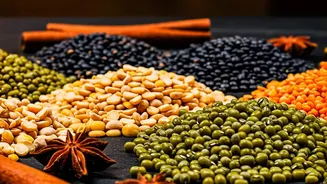
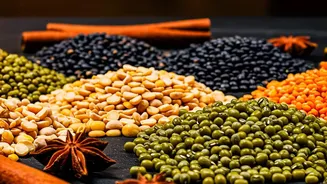
Recently, a delicious evolution has been taking place in kitchens across the country. Home cooks and chefs are reimagining the traditional chutney by incorporating a host of nutritious seeds and pulses. Ingredients like flax, pumpkin, sesame, and perilla seeds, along with lentils like moong dal and chana dal, are being roasted and ground into these flavourful pastes. The result is a new generation of chutneys that are not only delicious but also packed with health benefits. These can be found as dry powders, known as 'podi' in the south, or as wet pastes, and they bring a delightful nuttiness and textural complexity to the table.
The Health and Wellness Factor
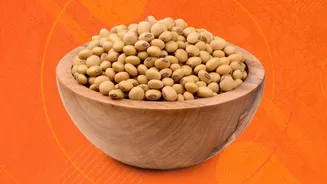
This trend is driven by a growing awareness of health and nutrition. Seeds are nutritional powerhouses. Pumpkin seeds, for example, are rich in zinc and magnesium, while flaxseeds and perilla seeds are excellent sources of plant-based omega-3 fatty acids. Sesame seeds are known to be full of antioxidants. Pulses like lentils add a substantial amount of plant-based protein and fibre, which supports digestive health and helps in managing blood sugar levels. By integrating these ingredients into a daily condiment, people are finding an easy and flavourful way to boost their intake of essential nutrients without resorting to supplements.
New Textures, Flavours, and Uses
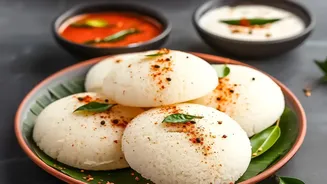
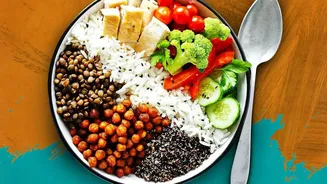
The addition of seeds and pulses does more than just enhance nutrition; it transforms the entire sensory experience. Roasting seeds like pumpkin and sesame before grinding them creates a deep, nutty aroma and a satisfyingly coarse texture. This creates chutneys that are robust and complex. This added substance and texture expands their role in a meal. No longer just a side dish for idli or dosa, these heartier chutneys are now being used as sandwich spreads, flavourful dips for snacks, marinades for proteins, or even as a finishing sprinkle over salads and grain bowls.
From Kitchen Staple to Culinary Star
The beauty of this trend lies in its adaptability. There are no strict rules, allowing for endless creativity. Home cooks are experimenting with different combinations, adding peanuts, walnuts, or sunflower seeds to their spice mixes. At the same time, chefs in modern Indian restaurants are embracing these evolved chutneys, using them to add layers of flavour and a touch of the traditional to contemporary dishes. Whether it’s a Meghalayan-style pumpkin seed chutney pounded in a mortar and pestle or a quick tomato and lentil chutney blended for a weeknight meal, this movement is a testament to the dynamic nature of Indian cuisine.