


The New Digital Treasure Map
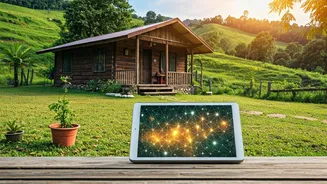
Forget dusty paper maps with an 'X' marking the spot. Today’s treasure maps are digital, collaborative, and constantly evolving. Spearheaded by tech-savvy students and young travelers, these are often built on platforms like Google My Maps, where users
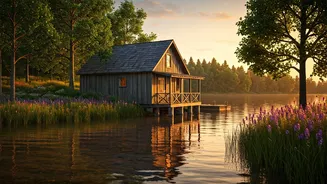
can collectively add pins, photos, and notes about specific locations. Think of it as a shared secret diary for an entire community of explorers. These maps pinpoint everything from a secluded lakeside homestay in Kerala that isn't on major booking sites to a cluster of affordable riverside huts in Himachal Pradesh known only to locals. The information is hyper-specific: one pin might note the contact number of a local caretaker, another might warn about a tricky access road, and a third might rave about the perfect spot to watch the sunrise.
Driven by Wanderlust and Budgets
So, what’s fuelling this trend? It’s a perfect storm of economics and ethos. For students and young professionals, travel budgets are often tight. The rising cost of hotels and the commercialisation of popular destinations have pushed them to seek alternatives. These crowdsourced maps offer a pathway to affordability, connecting them with local hosts and hidden gems that haven't yet been hit by surge pricing. But it’s not just about saving money. There's a powerful desire for authenticity. This generation of travelers craves unique experiences over cookie-cutter itineraries. They want to escape the crowds, discover something new, and feel like they’ve found a place that is truly special. Sharing these finds becomes a way of building community and pushing back against the curated, often misleading, perfection of mainstream travel influencing.
Where to Find These Digital Guides
Finding these maps requires a bit of digital sleuthing, which is part of the appeal. They aren't advertised; they spread organically through online communities. Start your search on platforms where travelers congregate. On TikTok, look for hashtags like #hiddengemsindia, #travelhacks, or #budgettravel. Creators often share snippets of their finds and sometimes link to a full map in their bio. Reddit is another goldmine. Subreddits such as r/Indiatravel, r/solotravel, and specific regional travel forums often have threads where users share links to collaborative Google Maps or detailed spreadsheets. Don’t just search for “maps”; try terms like “shared list,” “community guide,” or “crowdsourced spots.” These communities value contribution, so engaging with posts and sharing your own (lesser-known) tips can often lead to an invitation to a private map.
The Art of Responsible Exploration
With great discovery comes great responsibility. The very thing that makes these cabins “hidden” is their seclusion and the fact they aren't overwhelmed by tourists. When using these maps, it’s crucial to be a respectful visitor. First, always verify the information. A pin dropped two years ago might lead to a place that is now private property or has closed down. Cross-reference with recent reviews or posts if possible. Second, practice the 'Leave No Trace' principle: pack out everything you pack in, and leave the natural environment exactly as you found it. Most importantly, be mindful of your impact on the local community. A sudden influx of visitors can strain local resources and disrupt a quiet way of life. Support local businesses, be respectful of residents, and avoid turning a hidden gem into the next overcrowded hotspot. The goal is to explore, not exploit.