

The Building Blocks: What Is a Complete Protein?
Think of protein as a long chain made of smaller links called amino acids. Our bodies need 20 different amino acids to function, build, and repair tissues like muscle. While our bodies can produce 11 of these, there are nine—called essential amino acids—that
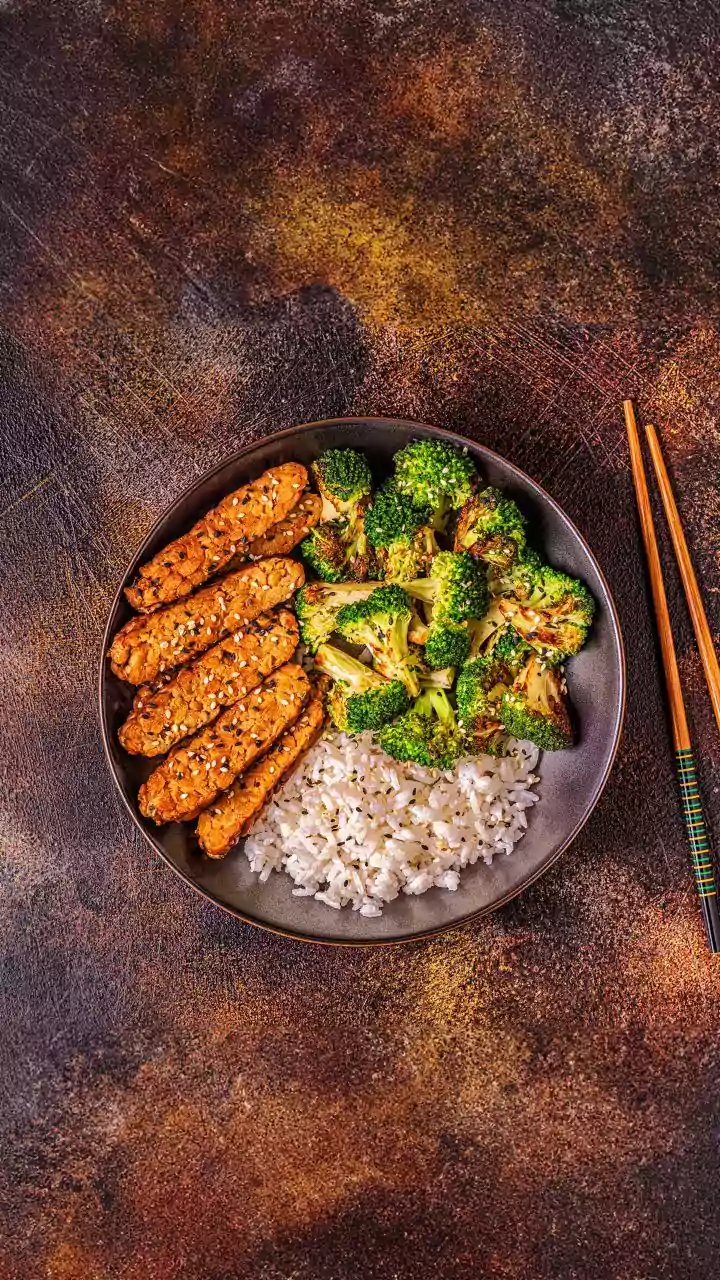
we must get from food. A food source is called a 'complete protein' when it contains all nine of these essential amino acids in adequate amounts. While animal products like meat, eggs, and dairy are typically complete proteins, most plant-based foods are 'incomplete', meaning they are low in one or more of these essential amino acids.
The Power of Pairing: How Grains and Legumes Work Together
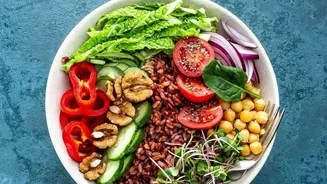
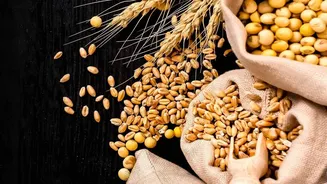
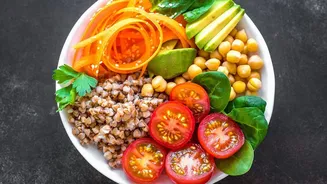
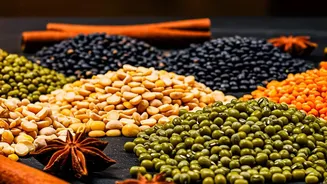
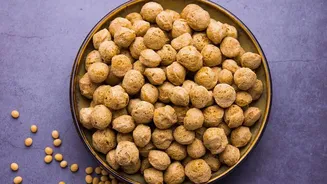
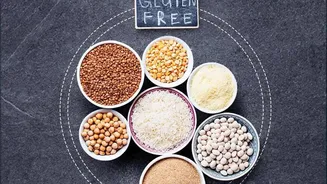
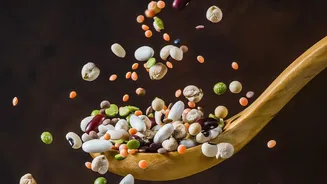
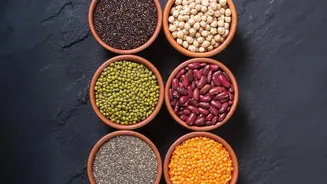
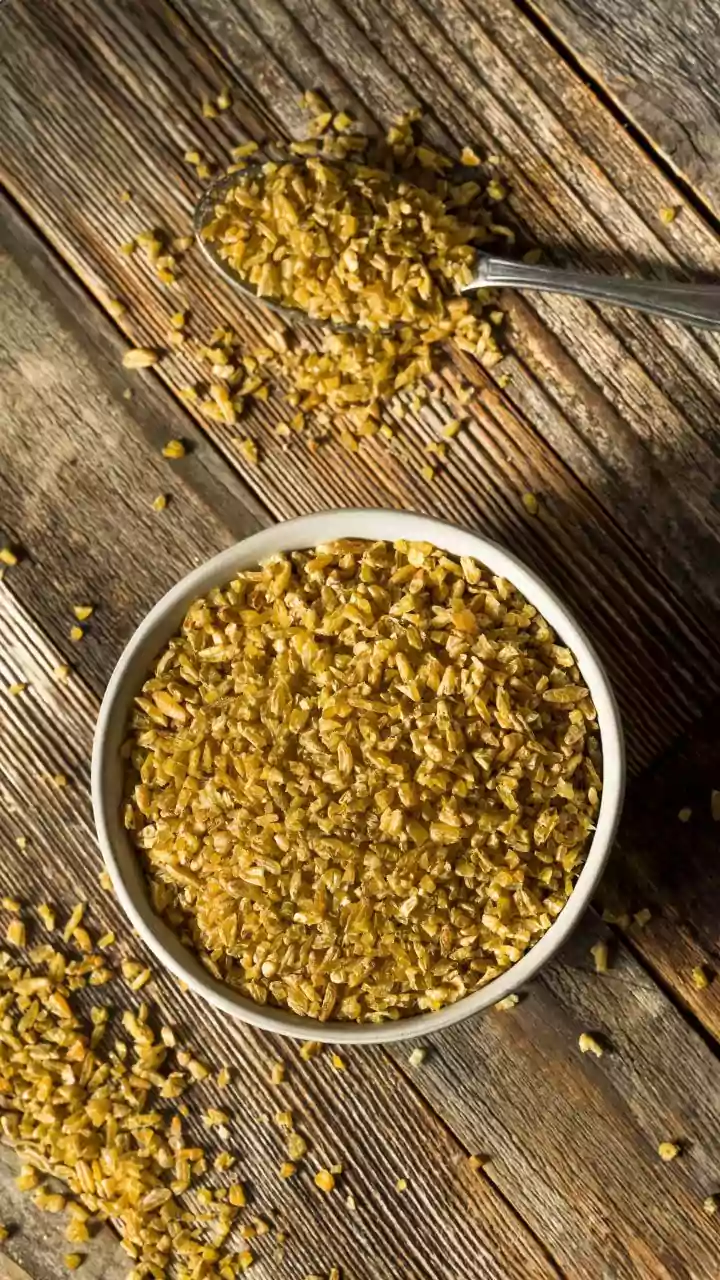
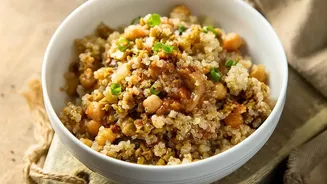
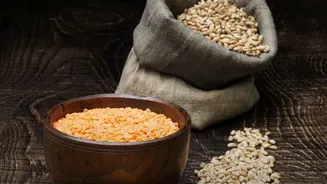
This is where the magic of food combining comes in. Different plant foods have different amino acid strengths and weaknesses. Whole grains like wheat and rice, for instance, are generally low in an essential amino acid called lysine. On the other hand, legumes—the family that includes all our dals, beans, and chickpeas—are rich in lysine but low in another amino acid, methionine. When you eat them together, they perfectly complement each other. The lysine from the dal makes up for what's lacking in the rice, and the methionine in the rice fills the gap from the dal. The result is a meal that delivers all nine essential amino acids, creating a complete protein profile without any animal products.
Fueling Recovery: Why Complete Protein Is Crucial for Muscles
When you exercise, especially with resistance training, you create tiny micro-tears in your muscle fibres. The process of repairing these tears is what makes muscles stronger, a process known as muscle protein synthesis. This repair job requires a full toolkit—all nine essential amino acids must be available. If even one is missing, the process can be inefficient or stalled. Leucine, one of the essential amino acids, is particularly important as it acts as a primary trigger for this muscle-building engine. By ensuring your post-workout meal contains a complete protein, you give your body all the necessary building blocks to repair tissue, reduce soreness, and recover effectively.
Your Plate, Your Powerhouse: Classic Indian Combinations
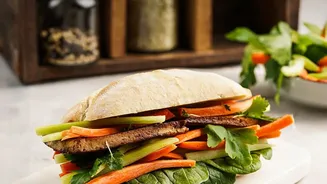
The best part is that this nutritional strategy is already built into the very fabric of Indian cuisine. You don't need to invent complicated new recipes; you just need to embrace our timeless culinary wisdom. Classic combinations like dal and rice or dal and roti are perfect examples of pairing a legume with a grain. Think of rajma-chawal, chana masala with bhatura or naan, or a simple bowl of khichdi made from rice and lentils. Even a peanut butter sandwich on whole wheat bread works on the same principle. These meals, enjoyed for generations, are not just comforting and delicious—they are nutritional powerhouses perfectly designed to provide complete protein.
Perfecting Your Plan: Timing and Tips
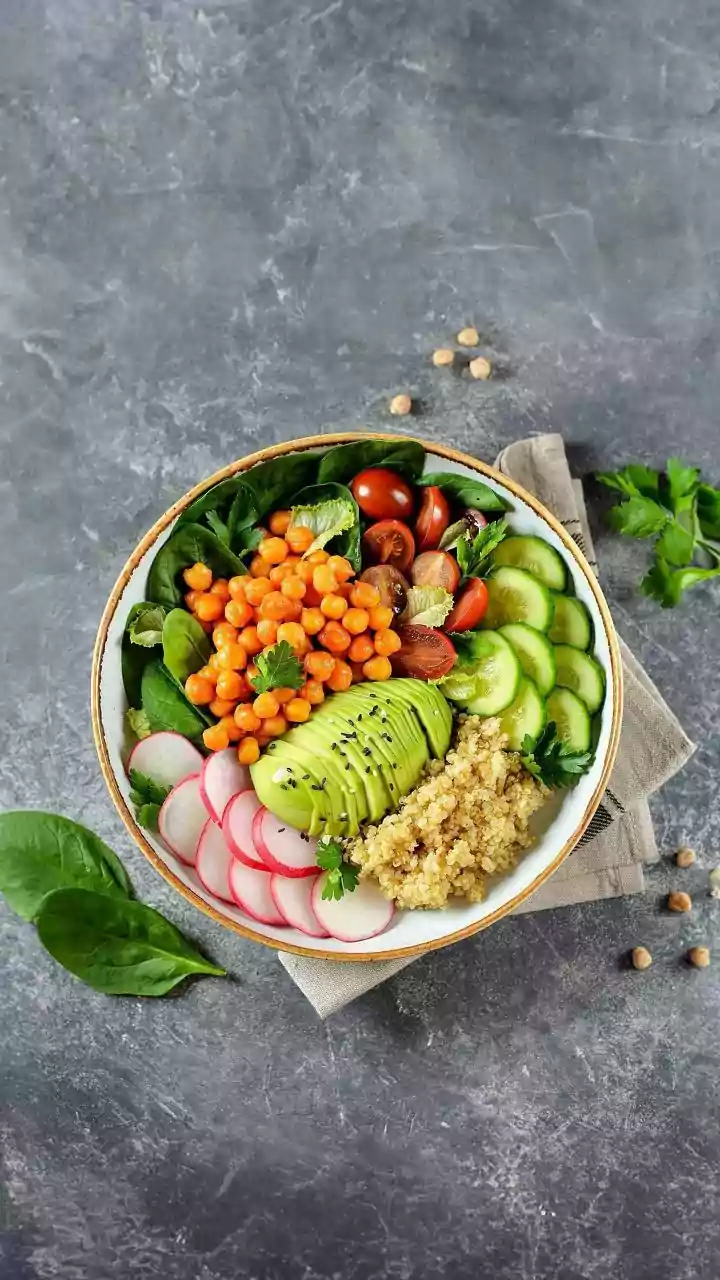
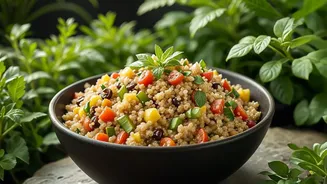
In the past, it was believed that you had to eat complementary proteins in the exact same meal. However, modern nutritional science shows that it’s sufficient to consume them throughout the same day. Your body creates a pool of amino acids, and as long as you eat a varied diet of grains, legumes, nuts, and seeds, you'll provide your body with what it needs. For those focused on fitness, consuming a protein-rich meal within a few hours after a workout can help maximise muscle repair. To further boost your protein intake, consider adding nuts and seeds to your meals—like tossing pumpkin seeds into a salad or adding a sprinkle of sesame seeds (tahini) to a chickpea dish.