


The New Cafe Conversation
Walk into a chic café in Bengaluru, Mumbai, or Delhi today, and the menu tells a fascinating story of cultural fusion. For years, the Indian café was a predictable space dominated by espressos, cappuccinos, and perhaps a brownie. But that chapter is closing.
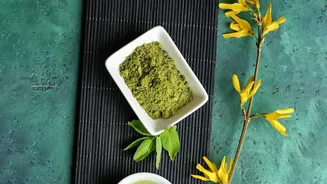
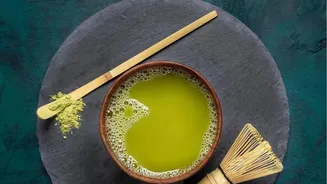
Now, you’re just as likely to find a Strawberry Matcha Latte or a Paneer Tikka Pizza as you are a standard cold coffee. This isn't just about adding a few exotic items; it's a fundamental reimagining of what a café can be. The trend is a two-way street: global ingredients like Japanese matcha, hojicha, and yuzu are becoming staples, while traditional Indian flavours and ingredients are being integrated into international formats. Think masala mac and cheese, tandoori-flavoured quesadillas, and even desserts like gulab jamun tiramisu. It’s a menu that speaks a global language with a distinct Indian accent.
The Rise of Ancient Grains
A significant part of this movement is the revival of ancient Indian grains. Millets, once a staple of the Indian diet before falling out of favour, are making a powerful comeback. Cafés across the country are at the forefront of this superfood revolution, integrating millets like jowar, bajra, and ragi into everything from nutritious breakfast bowls and salads to pizzas and burgers. Chains like The Millet Café and Millet Coffee Bakers are building their entire concept around these indigenous grains, offering menus that are 100% free of maida (refined flour). This isn't just a health trend; it’s a sustainable choice. Millets are hardy, drought-resistant crops that require fewer resources than rice and wheat, making them an environmentally friendly option that also supports local farmers. Cafes like Greenr in Delhi champion a plant-forward, millet-based menu that blends global health consciousness with an indigenous approach.
A New Generation of Chefs and Diners
This culinary shift is driven by a new generation of chefs and café owners who are more confident and creative. They are moving away from the need to simply replicate Western trends and are instead reinterpreting them with regional integrity. The goal is to create food that is flavourful and inventive without the heaviness often associated with traditional Indian restaurant fare. This approach is meeting a receptive audience. Indian diners, particularly millennials and Gen Z, have more adventurous palates. They are globally aware and appreciate international trends, but they also have a renewed interest in their own culinary heritage. They are looking for experiences that combine novelty with a sense of wellness and authenticity. This has created the perfect environment for a menu that offers the aesthetic appeal of a matcha latte alongside the comforting, nostalgic spice of masala.
Beyond Butter Chicken and Chai
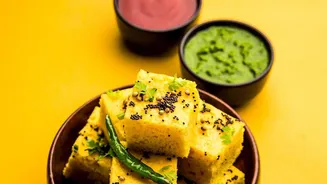
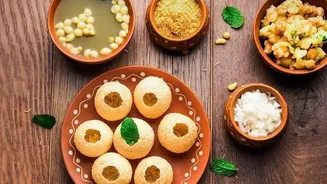
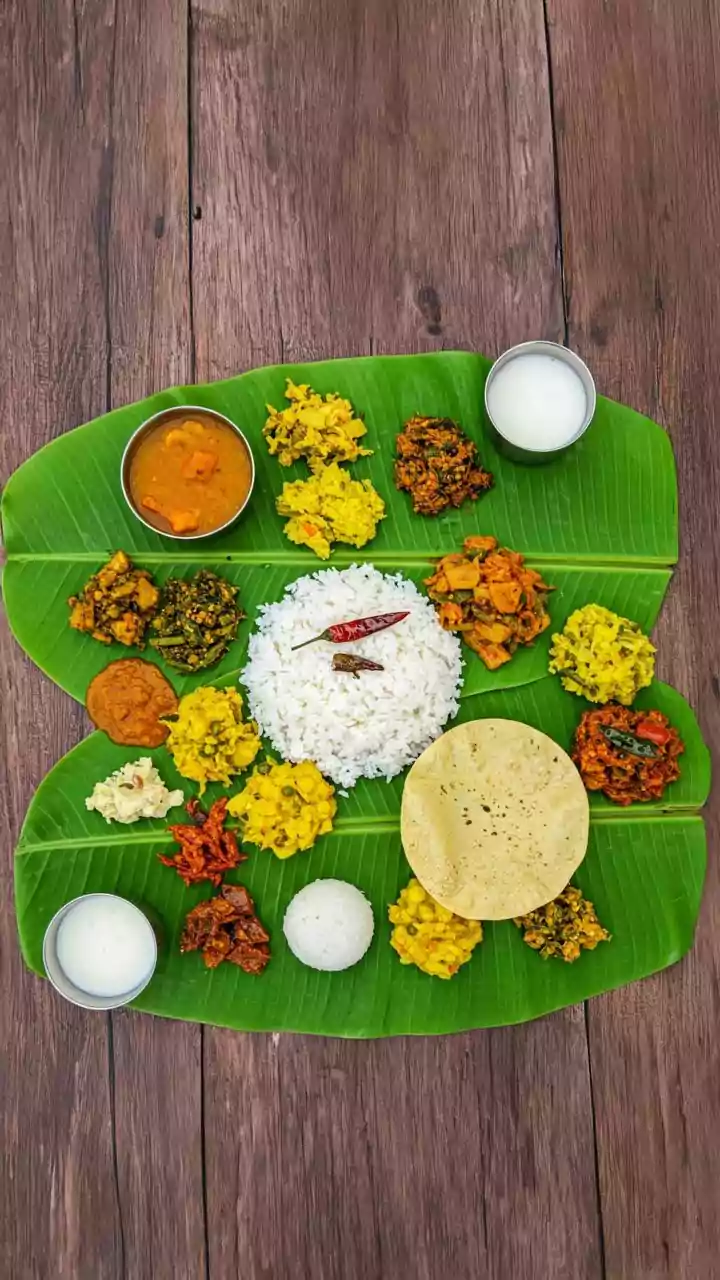
For a long time, Indian cuisine on the global stage was narrowly defined by a handful of North Indian dishes. The current trend in cafés is part of a broader movement to showcase the true diversity of India's culinary landscape. It’s about celebrating hyper-local ingredients and regional specialities that have rarely been seen in a commercial restaurant setting. Chefs are drawing inspiration from their own family recipes and regional traditions, presenting them in modern, accessible formats. This might mean a fiery Kolhapuri curry reimagined as a ramen broth or a taco filled with pork inspired by Northeastern flavours. It signals a maturation of India's food scene, where the focus is shifting from imitation to innovation, and from broad appeal to authentic, specific storytelling through food.