




The Right Clothes: Think Quick-Dry, Not Cotton
The golden rule for monsoon travel is to avoid cotton. It absorbs moisture, takes forever to dry in high humidity, and can leave you feeling damp and cold. Instead, opt for lightweight synthetic fabrics like polyester and nylon. These materials wick moisture away
from your skin and dry quickly, often overnight. Pack a few quick-dry t-shirts and trek pants. Layering is another smart strategy. A light fleece jacket can provide warmth during chilly evenings or at higher altitudes without being bulky. While you might be tempted to pack jeans, their heavy fabric is a poor choice for the damp conditions you'll encounter. Loose, synthetic trousers are a far more practical and comfortable alternative.
Footwear: Grip is Non-Negotiable
Slippery rocks, muddy trails, and slick paths are a given in the rainy Western Ghats. Your choice of footwear is crucial for safety and comfort. Ditch the casual sneakers and flat sandals; they offer little to no grip. Invest in a pair of trekking or hiking shoes with deep lugs and a soft rubber sole for superior traction on wet surfaces. Many experts recommend shoes that are water-resistant and have good drainage over fully waterproof boots, which can trap water inside if it seeps in from the top. For shorter walks or when relaxing at your accommodation, a pair of anti-slip sandals or floaters is also a great addition. Always wear your trekking shoes with synthetic or wool-blend socks, as cotton socks can lead to blisters when wet.
Rain Gear: Your First Line of Defence
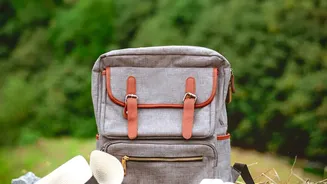
An umbrella might seem sufficient, but strong winds in the mountains can render it useless. A good quality, lightweight raincoat or a full-sized poncho is a must-have. A poncho has the added benefit of covering both you and your backpack, offering better ventilation. Also, ensure your backpack itself is protected. A waterproof backpack is ideal, but a dedicated rain cover is an essential and effective alternative that keeps your belongings dry during a downpour. Remember that even 'waterproof' bags have their limits, so an external cover adds a vital layer of security against persistent rain.
Protecting Your Gadgets and Essentials
Water and electronics don't mix. To keep your phone, camera, power bank, and documents safe, use waterproof pouches or dry bags. Even simple resealable plastic bags (like Ziplock bags) can be a lifesaver for organizing smaller items and providing a quick layer of protection against unexpected showers. It's also wise to place a few silica gel packs inside your electronics bag to absorb any ambient moisture and combat the high humidity. A power bank is another essential, as power cuts can be more frequent in remote areas during the monsoon.
Health and Safety Kit: Be Prepared
The monsoon brings out insects and leeches, especially on forest trails. An insect repellent is essential. For leeches, which are common in the Western Ghats, carrying salt, a dettol-water spray, or even hand sanitiser can help detach them. Wearing full-length socks or specialised anti-leech socks provides good prevention. Your first-aid kit should include basics like antiseptic wipes, bandages, pain relief spray, and any personal medications. Also pack medicines for common ailments like colds, coughs, and stomach upsets, which can be more prevalent during this season.
Miscellaneous Must-Haves for a Smoother Trip
A few small items can make a big difference. A quick-dry microfibre towel is lightweight and dries much faster than a standard cotton towel, making it perfect for travel. Carry a torch or a headlamp, as visibility can be poor on misty days and electricity can be unreliable. Pack some high-energy snacks like nuts, dried fruits, or energy bars for when you're on the move. Finally, carrying a few extra reusable plastic bags is always a good idea for separating wet or muddy clothes from the dry ones in your luggage.