



Instead of Arashiyama's Bamboo Grove...
The iconic photos of Arashiyama Bamboo Grove in Kyoto show a serene, otherworldly path through towering bamboo stalks. The reality, especially between 10 a.m. and 4 p.m., is often a shoulder-to-shoulder shuffle down a narrow path, where the rustle of leaves
is drowned out by the chatter of a thousand tourists. The experience can feel more like navigating a crowded queue than a peaceful walk in nature.For a more tranquil bamboo experience, consider heading to Hokokuji Temple in Kamakura, a short trip from Tokyo. Known as the 'Bamboo Temple,' it features a stunning, impeccably maintained garden that offers a deeply atmospheric and peaceful visit. Another excellent Kyoto-based alternative is the Rakusai Bamboo Park. It features around 110 different types of bamboo and offers a much more immersive and spacious environment where you can actually hear the gentle creak of the bamboo in the breeze.
Rather Than Fushimi Inari's Main Path...
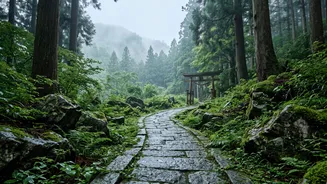
The seemingly endless corridor of thousands of vermilion torii gates at Fushimi Inari Shrine is a quintessential image of Japan. Unfortunately, this also means the lower, most famous paths are almost impassable during peak times. Getting that perfect photo without a crowd in the background becomes a game of extreme patience or requires a pre-dawn start.For a similar visual impact without the human traffic jam, consider Nezu Shrine in Tokyo. It features its own beautiful, tunnel-like path of smaller torii gates in a much quieter setting. Alternatively, at Fushimi Inari itself, simply keep hiking. Most visitors turn back after the first few sections. If you continue climbing the mountain for another 30-40 minutes, the crowds thin dramatically, revealing quieter paths, smaller shrines, and a more authentic, peaceful atmosphere.
Beyond the Shibuya Crossing Spectacle...
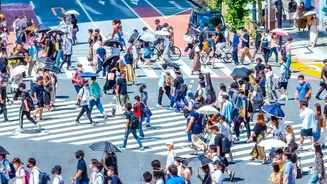
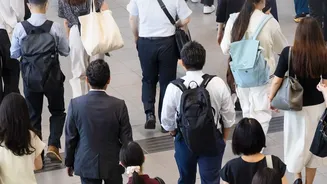
Shibuya Crossing is often called the world's busiest intersection, and watching the synchronized scramble of pedestrians is a Tokyo must-do for many. However, the experience can be chaotic, and viewing spots are often packed, with some travelers reporting long waits for a good view. While a spectacle, it can feel more like an observation than an immersion in Tokyo life.To experience Tokyo's vibrant energy in a less overwhelming setting, explore a neighborhood like Yanaka. With its traditional 'shitamachi' (old town) atmosphere, Yanaka Ginza shopping street offers a slice of pre-war Tokyo, complete with local food stalls and a distinct lack of neon. For a different kind of urban buzz, the Shinsekai district in Osaka offers a gritty, retro-futuristic charm with its iconic Tsutenkaku Tower and colourful signs, providing an authentically loud and vibrant Japanese city experience.
Swapping Kinkaku-ji's Golden Gleam...
Kyoto's Kinkaku-ji, the Golden Pavilion, is stunning as it shimmers above its reflecting pond. But its fame means you'll be sharing that view with hundreds of others, often jostling for a position at the single, prescribed photo spot. The contemplative experience the temple was designed for can be lost in the rush.A wonderful alternative is Ginkaku-ji, the Silver Pavilion. While it was never actually covered in silver, its beauty lies in its understated elegance, magnificent sand garden, and extensive moss-covered grounds that invite quiet wandering. For a different kind of splendor, consider Kanazawa, often called 'little Kyoto'. It is home to Kenrokuen, one of Japan's top three gardens, as well as beautifully preserved geisha and samurai districts that offer the historical charm of Kyoto with a fraction of the crowds.