



The Magic of Monsoon Light
Perhaps the single most important element for any photographer is light, and the monsoon delivers a quality of light that is impossible to replicate. The harsh, direct sun of the summer months gives way to a soft, diffused glow as thick clouds act like
a giant softbox in the sky. This gentle light reduces hard shadows and allows for rich, detailed images, whether shooting a grand landscape or a close-up portrait. The periods just between showers, often during the golden hours of early morning or late afternoon, are particularly magical. The sun breaks through the clouds, illuminating the rain-washed scenery and creating a dynamic interplay of light and shadow that adds depth and emotion to every frame.
An Explosion of Saturated Colour
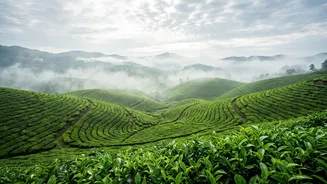
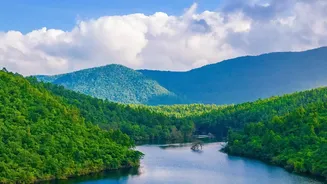
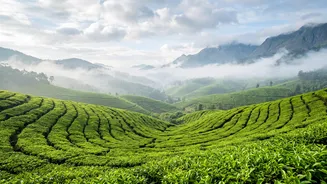
After months of heat, the monsoon rains quench the thirsty earth, and the landscape responds with an explosion of life and colour. Parched brown hills transform into carpets of vibrant, emerald green. Tea and coffee plantations in places like Munnar and Coorg become intensely saturated, their leaves glistening with raindrops. This natural boost in saturation means that colours appear richer and more profound. Even in cities, wet asphalt reflects the neon signs and streetlights, creating a different kind of colourful canvas. For a photographer, this heightened colour palette provides a naturally dramatic and visually striking scene before any editing even begins.
Dramatic Skies and Atmosphere
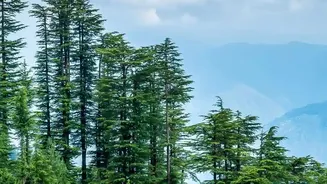
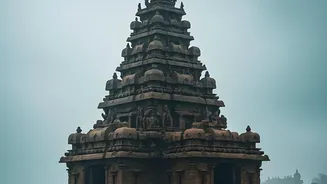
The monsoon is synonymous with dramatic skies. From dark, moody clouds gathering on the horizon to mist and fog rolling through valleys, the atmosphere is in constant flux. This adds a powerful sense of mood and mystery to photographs. Hill stations in the Western Ghats, such as Lonavala and Mahabaleshwar, become famous for their low-hanging clouds that can envelop the entire landscape, creating ethereal, layered images. In regions like Meghalaya, one of the wettest places on Earth, the constant presence of mist and cloud formations makes for cinematic and dream-like scenes. Capturing this moving, changing atmosphere allows photographers to convey a sense of the raw power and gentle beauty of the season.
Life, Motion, and Water
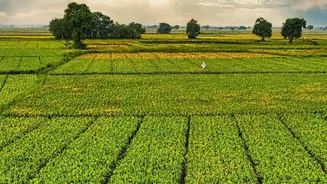
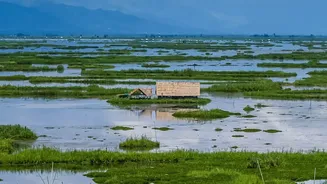
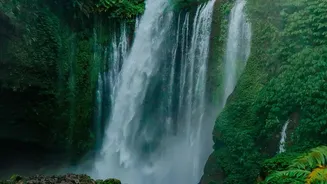
Water is the central character of the monsoon, and it brings life and motion to every scene. Waterfalls that are mere trickles in the dry season become roaring torrents, offering spectacular subjects for photography. Photographers can experiment with shutter speeds to either freeze the powerful splash of water or create a smooth, silky effect with a long exposure. Rivers swell, lakes fill, and puddles in city streets offer perfect opportunities for creative reflection shots. The season also brings out abundant life, from farmers working in paddy fields to rare wildflowers blooming in high-altitude meadows like the Valley of Flowers in Uttarakhand. This infusion of activity provides endless stories to capture through the lens.
Iconic Monsoon Destinations
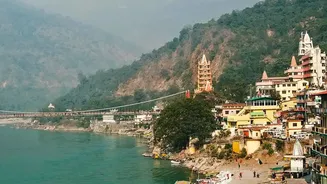
Certain destinations in India have become legendary among photographers for their monsoon beauty. The Western Ghats, stretching through Maharashtra, Karnataka, and Kerala, are a primary draw with their lush hills, dense forests, and countless waterfalls. Places like Munnar in Kerala offer mist-covered tea gardens, while Coorg in Karnataka is known for its moody coffee plantations. Meghalaya, with its living root bridges and dramatic rainfall, presents a unique and otherworldly landscape. Even the arid landscapes of Rajasthan take on a different charm, with greener Aravalli hills and reflective lakes in cities like Udaipur. Each region offers a distinct flavour of the monsoon, inviting photographers to explore and interpret its beauty.