






Go for Gourds
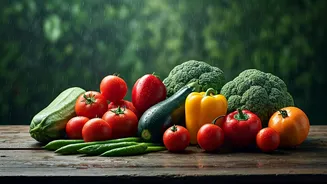
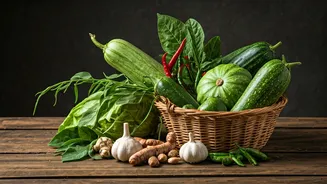
The rainy season is the perfect time to explore the variety of gourds available in Indian markets. Vegetables like bottle gourd (lauki), bitter gourd (karela), ridge gourd (turai), and pointed gourd (parwal) are stars of the monsoon diet. [10, 20] They
are light, easy to digest, and packed with fibre, which helps prevent common monsoon digestive issues like constipation. [10, 15] Bitter gourd, in particular, is celebrated for its immune-boosting properties thanks to its richness in Vitamin C and antioxidants. [12, 15] It also has antiviral properties that can help protect the body. [10] Lauki, being high in water content and fibre, aids digestion and keeps the system healthy. [10, 22]
Power Up with Probiotics
Gut health is paramount during the monsoon, as the humid weather can lead to a spike in infections. Probiotic-rich foods are excellent for maintaining a healthy gut microbiome. [6] Curd (dahi) and buttermilk (chaas) are easily accessible and highly effective options. [2, 4] They contain beneficial bacteria that aid digestion and strengthen the body's natural defences. [6, 14] Fermented foods like idli and dosa, made from a fermented batter of rice and lentils, are also great probiotic sources that are light on the stomach. [4, 8] Including these foods in your daily diet can significantly improve your digestive health and immunity. [2, 19]
Spice Up Your Immunity
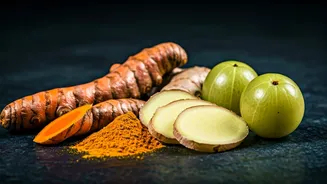
Indian spices are more than just flavouring agents; many possess powerful medicinal properties that are especially beneficial during the monsoon. Turmeric (haldi), ginger (adrak), and garlic (lehsun) are a potent trio for boosting immunity. [3, 20] Turmeric contains curcumin, a compound known for its strong anti-inflammatory and antibacterial properties. [14, 5] Ginger is excellent for soothing a sore throat and fighting inflammation, while garlic's active ingredient, allicin, has strong antimicrobial effects. [3, 14] Spices like cinnamon (dalchini) and black pepper (kali mirch) also help fight infections and improve overall health. [5]
Choose Your Fruits Wisely
While fruits are essential, it's wise to be selective during the monsoon. Opt for seasonal offerings like jamun, plums, cherries, peaches, and pomegranates. [9, 21, 24] These fruits are packed with antioxidants and Vitamin C, which are crucial for a strong immune system. [9, 21] Apples and pears are also good choices as they are high in fibre and support digestive health. [9, 16] It's generally advised to avoid fruits with very high water content, like watermelon and muskmelon, as they can be more susceptible to spoilage and microbial growth in the humid climate if not stored correctly. [9, 16, 19] Always ensure fruits are washed thoroughly before consumption. [19]
Embrace Warm Herbal Teas
There's nothing quite like a warm cup of tea on a rainy day, and making it an herbal one can provide extra health benefits. Herbal concoctions, or 'kadha', made with ingredients like tulsi, ginger, cinnamon, and black pepper, are excellent for preventing common monsoon ailments like colds and coughs. [24] Ginger and turmeric tea is another powerful combination with anti-inflammatory properties that can keep infections at bay. [11] These warm drinks not only provide comfort but also help in hydrating the body and strengthening the immune system from within. [5, 20]