





The festive season leaves behind joy, memories, and often, an abundance of sweets. Instead of letting them go to waste, you can share the sweetness. Here’s a practical guide to donating your untouched surplus sweets safely and thoughtfully.
Step 1: A Crucial Quality and Safety Check
Before you
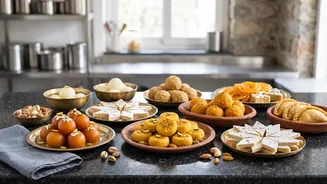
think about donating, the first step is to ensure the sweets are safe for consumption. Only donate sweets that are completely untouched and have been stored hygienically. Check for any signs of spoilage, such as an off smell, mould, or a change in texture. Milk-based sweets (like barfi or peda) are highly perishable and require extra care. As a rule, if you wouldn't eat it yourself, you shouldn't donate it. It's better to donate sweets with a longer shelf life, like laddoos, or sealed packages of dry fruits. Avoid donating anything that has been in the fridge for too long or anything with a passed 'use-by' date.
Step 2: Find a Local Shelter or NGO
Many organisations across India are dedicated to collecting and distributing surplus food. The most effective way to find one is to search online for terms like 'food donation near me', 'shelters for homeless', or 'orphanages in [your city]'. Several well-known organisations operate across multiple cities, including the Robin Hood Army, Feeding India by Zomato, and Goonj. These groups often have systems in place to handle food donations. Local gurdwaras, temples, and community kitchens are also excellent places that may accept food to serve in their langars or community meals.
Step 3: The Golden Rule – Always Call Ahead
This is the most critical step. Before you pack anything or drive to a location, always call the organisation first. Many shelters and NGOs have specific rules about the types of food they can accept due to health and safety regulations. Some may not have the refrigeration facilities to store perishable sweets, while others might only accept non-perishable or dry rations. Calling ahead allows you to confirm if they are currently accepting festive sweets, what their drop-off times are, and if they have any specific packaging requirements. This simple phone call prevents wasted trips and ensures your donation can be properly received and distributed without becoming a burden.
Step 4: Pack for Safety and Hygiene
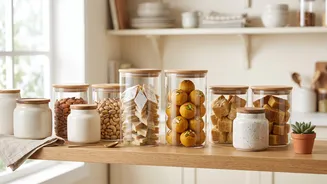
Once you have confirmed that a shelter will accept your donation, proper packaging is key to ensuring the food remains safe. Use clean, food_grade containers that are airtight to prevent contamination. If you are donating sweets from different boxes, it's best to pack them in separate, clean containers. Clearly label the container with the name of the sweet and, if possible, the date it was prepared or purchased. If the sweets contain common allergens like nuts, it is extremely helpful to mention this on the label. According to FSSAI guidelines for surplus food donation, clear labelling helps the receiving organisation handle and distribute the food safely.
Step 5: Consider Immediate, Local Alternatives
If you find that your surplus sweets are too perishable for a formal donation, or if you can't find a nearby shelter, there are still wonderful ways to share them. Consider distributing them within your immediate community. You can share them with your building's security staff, domestic help, local construction workers, or other community helpers. This is often the best solution for highly perishable items like rasmalai or sweets made from milk, as they can be consumed quickly without the logistical challenges of transport and storage. It’s a direct and immediate way to spread festive cheer and reduce food waste.