







The Sugar Siblings: Glucose and Fructose
At a chemical level, glucose and fructose are simple sugars with the same number of calories. Glucose is the body's primary fuel source, found in foods like bread, rice, and starchy vegetables. It's the energy that powers everything from our muscles to our brain.
Fructose, on the other hand, is known as fruit sugar and is naturally found in fruits, honey, and some vegetables. However, it's also a major component of added sugars in processed foods and drinks, often as high-fructose corn syrup (HFCS), a mix of both glucose and fructose. While they seem similar, your body, and specifically your brain, treats them in strikingly different ways.
A Tale of Two Brain Signals
Recent groundbreaking research has shed light on just how differently our bodies process these two sugars. A study published in the journal Neuron found that glucose and fructose send vastly different signals from the gut to the brain. When we consume glucose, it powerfully suppresses the activity of brain cells that drive hunger, sending a clear message: "I'm full." This signal helps regulate appetite and promotes a feeling of satiety. Fructose, however, sends a much weaker signal. It only modestly reduces the activity of these hunger-promoting neurons, meaning your brain doesn't get a strong message to stop eating.
The Gut-Brain Communication Breakdown
The study, conducted in mice, revealed that the two sugars use entirely different communication channels to talk to the brain. Fructose uses a specific gut hormone and the vagus nerve to send its weak satiety signal. Glucose, meanwhile, uses a more direct and powerful mechanism to tell the brain it's time to feel full. This difference has significant implications. Because fructose doesn't effectively switch off hunger cues, it can lead to a greater desire for more food and may promote feeding behavior, even when you've consumed the same number of calories as you would have from glucose. This may help explain why foods and drinks high in fructose can be particularly easy to over-consume.
The New Question for Your Diet Plan
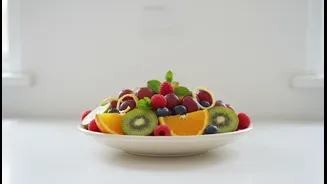
This research moves the conversation beyond simply asking, "How much sugar am I eating?" The new, more nuanced question is: "What kind of sugar am I eating, and how is it packaged?" The key distinction lies not just in the sugar type, but its source. Fructose from a whole apple comes with fibre, water, and micronutrients, which slow down digestion and impact satiety differently than the isolated fructose found in a sweetened beverage. The research suggests that diets high in added fructose, especially from HFCS, interact with our appetite systems in a way that can encourage overeating. This shifts the focus from vilifying all sugars to being more mindful of processed and added ones.
Making Smarter Sugar Choices
For audiences in India, where sugar is present in everything from chai and mithai to modern packaged snacks, this insight is crucial. The goal isn't to eliminate sugar but to make smarter choices. Prioritise whole foods. An orange is better than orange juice because the fibre in the fruit helps regulate sugar absorption. Read labels on packaged goods, from biscuits to sauces, and be aware of added sugars like high-fructose corn syrup. When enjoying traditional sweets, be mindful of portion sizes. Understanding that some sugars are less satisfying than others can empower you to recognise why you might still feel hungry after a sugary drink and make a more nutrient-dense choice next time. It's about working with your body's wiring, not against it.