


The Mysterious Seed Explained
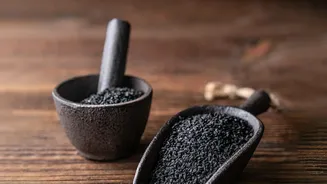
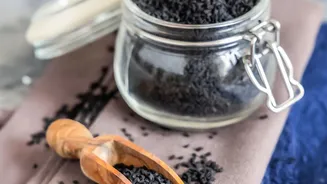
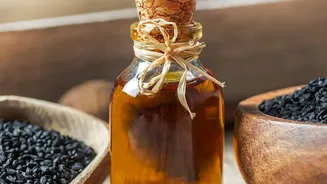
Kalonji seeds come from the Nigella sativa plant, native to South and Southwest Asia. Despite often being mislabeled as black cumin, onion seeds, or black caraway, kalonji is its own distinct spice. Raw, the seeds have a slightly sharp, peppery taste.
But when heated, their true magic is released, revealing a complex flavour profile that’s often described as a mix of onion, oregano, and black pepper. This distinctive, savoury character is what makes kalonji a game-changer for bakers looking to add depth and an aromatic quality to their creations without overpowering them.
Unlocking Flavour: To Toast or Not to Toast?
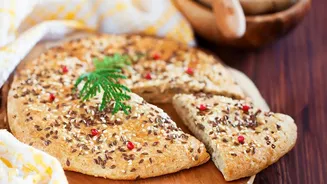
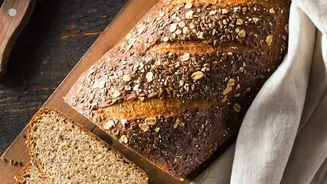
To get the most out of kalonji, a little heat is essential. Toasting the seeds briefly in a dry pan for 30 to 60 seconds until they become fragrant is a simple step that significantly enhances their flavour. This process softens their natural bitterness and unlocks a warmer, nuttier, almost smoky dimension. When adding kalonji to bread dough, you have two main options. You can either mix the toasted seeds directly into the flour for a flavour that permeates the entire loaf, or you can press them onto the surface of the dough just before baking. When sprinkled on top, the oven's heat toasts the seeds, creating a crunchy, aromatic crust that's famously associated with Indian naan and Turkish pide bread.
Perfect Pairings for Savoury Breads
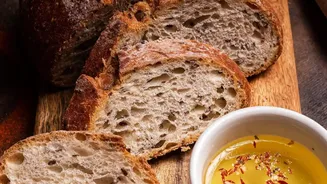
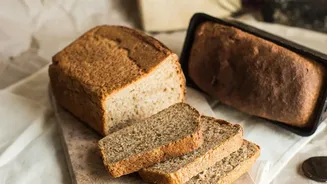
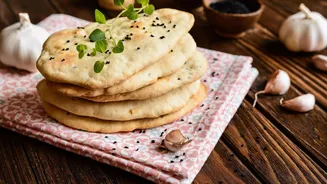
Kalonji's savoury profile makes it a natural partner for a wide variety of breads. It's a classic topping for flatbreads like naan and kulcha, where its peppery notes cut through the richness of ghee or butter. But its use extends far beyond that. Try incorporating a teaspoon or two of kalonji into your favourite whole wheat or multigrain loaf recipe. The seeds add a wonderful textural contrast and a savoury depth that pairs beautifully with earthy whole grains. They also work exceptionally well in savoury quick breads, focaccia, and even savoury muffins. For a simple start, add about one to two teaspoons of kalonji for every 500 grams of flour in your recipe and see how it elevates a basic loaf into something special.
Beyond the Basic Loaf
Once you're comfortable with kalonji, you can start experimenting with other flavour combinations. The seeds' onion-like notes are a fantastic match for garlic, whether it's fresh, roasted, or in powder form, added directly to the dough. For a visually appealing and texturally interesting crust, try combining kalonji with other seeds like white sesame and poppy seeds. This trio is a classic topping for many types of rolls and bagels. You can also mix kalonji with herbs like rosemary or thyme in a focaccia dough, or even blend it into a compound butter to be spread on warm bread straight from the oven. The seeds' ability to complement other savoury flavours makes them an incredibly versatile tool in a baker's arsenal.