



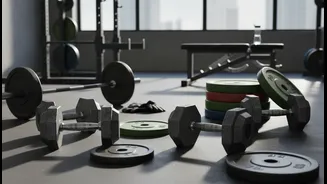


From Cardio Queen to Iron Maiden
For years, the accepted fitness script for Indian women was dominated by treadmills, cross-trainers, and Zumba classes. The primary goal was often singular: burn calories and lose weight. But a powerful shift is underway. A growing number of women are
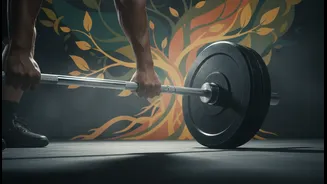
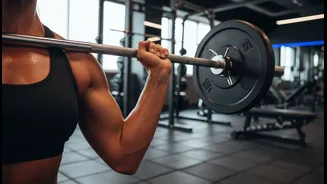
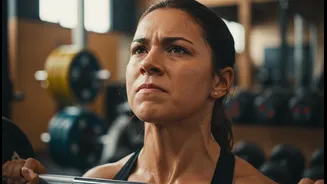
moving beyond a cardio-only mindset and embracing strength training—not just with light dumbbells, but with heavy barbells and challenging resistance. This isn't merely a new workout trend; it's a fundamental change in how women are approaching their health, defining their fitness goals, and viewing their own bodies. The focus is evolving from chasing a certain number on the scale to celebrating what the body can do, how strong it can become, and how resilient it can be.
Busting the 'Bulky' Myth
One of the biggest catalysts for this change has been the systematic dismantling of a stubborn myth: that lifting heavy weights will make women look “bulky” or masculine. Fitness experts and influencers have worked tirelessly to spread the message that this fear is physiologically unfounded. Women have significantly lower levels of testosterone than men—about 10 to 20 times less—making it incredibly difficult to build large, bulky muscles naturally. The coveted “toned” look is actually the product of having developed muscle underneath a layer of body fat. Strength training is the most effective way to build that lean muscle, which in turn boosts metabolism and creates a firmer, more defined physique. As this understanding spreads, the fear is being replaced by a desire for the strength and definition that resistance training provides.
The Undeniable Health Imperatives
The movement towards weightlifting is also rooted in compelling, science-backed health benefits that are particularly relevant for Indian women. Research shows India has a high prevalence of osteoporosis and Vitamin D deficiency. Strength training is one of the most effective ways to increase bone mineral density, future-proofing the body against age-related decline and conditions like osteoporosis, which disproportionately affect post-menopausal women. Furthermore, it is a powerful tool for hormonal regulation, proving highly effective in managing conditions like Polycystic Ovary Syndrome (PCOS) by improving insulin sensitivity and helping to regulate androgen levels. For many, lifting is not just for fitness, but has become a non-negotiable part of managing their long-term health.
A Statement of Empowerment
Beyond the physical benefits, lifting weights has become a profound form of empowerment. There is a powerful psychological shift that occurs when a woman discovers her own physical strength—the ability to lift something she once thought impossible. This newfound capability often translates into greater confidence outside the gym. In a culture that has often prescribed how women should look and behave, choosing to build strength is a radical act of self-definition. Influencers and online communities like Girls Gym Club are creating supportive environments where women celebrate each other's progress, from a first pull-up to a new deadlift personal record, fostering a sense of community and shared strength.
Getting Started Safely
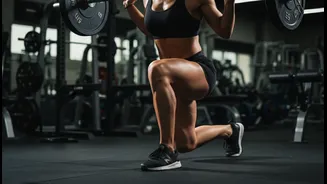
The rising popularity of strength training doesn't mean diving in without a plan. The importance of proper form cannot be overstated, especially when starting out. Working with a certified trainer to learn the fundamental movements—such as squats, deadlifts, presses, and rows—is crucial for preventing injury and ensuring effective workouts. Experts recommend starting with 2-3 full-body sessions a week and focusing on progressive overload, which means gradually increasing the weight, reps, or sets as you get stronger. The goal isn't to lift the heaviest weight on day one, but to build a consistent practice that focuses on technique, listens to the body, and allows for adequate rest and recovery, which is when muscles actually grow and repair.