





The Great Indian Burnout
This year wasn’t just hot; it was a test of endurance. Across North India, cities simmered through relentless heatwaves, with temperatures consistently soaring past 45°C. This wasn't a fleeting discomfort. It was a prolonged, energy-sapping siege that
left millions feeling physically and mentally drained—a phenomenon now widely dubbed 'heatwave fatigue'. The simple act of commuting, working, or even staying indoors felt like a chore. The constant hum of the air conditioner became the soundtrack to our lives, and the dream of a cool breeze turned into an obsession. This collective experience of being 'cooked' has imprinted itself on our psyche, creating a deep-seated craving for not just a break, but an escape to a place where a sweater might actually be necessary.
From Beaches to Breathtaking Peaks
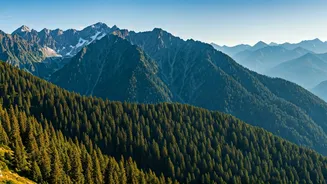
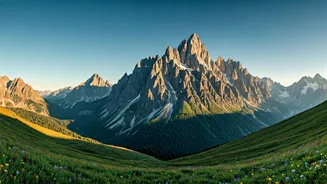
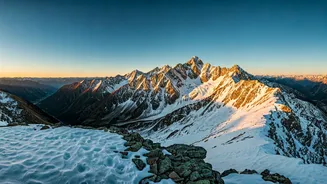
Traditionally, an Indian holiday might have meant the sun-drenched beaches of Goa or the vibrant chaos of a city break. But the data shows a dramatic pivot. Travel agencies and booking platforms are reporting an unprecedented surge in demand for cooler climes. Hill stations like Manali, Shimla, and Mussoorie are no longer just summer retreats; they're becoming year-round sanctuaries. Searches for destinations in Kashmir, Ladakh, and even the quieter parts of Uttarakhand have skyrocketed. It’s a clear case of climate-driven travel. People aren’t just looking for a change of scenery; they're actively running from the heat. The once-coveted tropical escape, with its promise of sunshine and warmth, now feels less like a luxury and more like an extension of the discomfort they’re trying to leave behind. Even international travel preferences are reflecting this. Queries for Scandinavia, Switzerland, and New Zealand are on the rise, replacing some of the usual interest in hot destinations like Dubai or Thailand, at least during peak summer months.
The New 'Cool-cation' Aesthetic
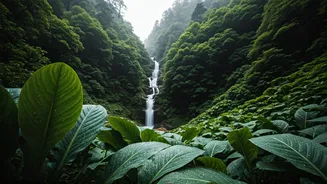
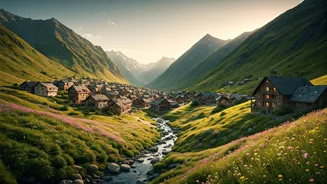
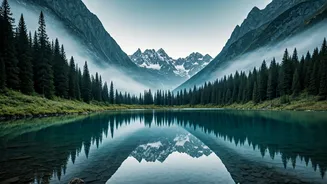
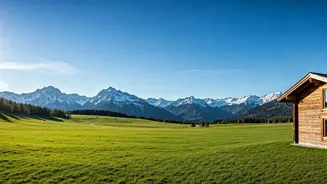
This shift is rewriting the very definition of a desirable holiday. The new wishlist isn’t about infinity pools and tan lines. It's about misty mornings, lush green valleys, the scent of pine in the air, and the simple pleasure of sipping a hot cup of chai while wrapped in a warm shawl. The 'cool-cation' is less about activity and more about atmosphere. It's a sensory reset button. Social media feeds, once filled with bright, sun-bleached photos, are now seeing a rise in moody, atmospheric shots of fog-laden mountains and serene, glacial lakes. The ultimate travel brag is no longer a photo in a swimsuit but one in a cozy jacket, with visible breath fogging in the crisp air. This aesthetic speaks to a deeper need for recovery and replenishment, a stark contrast to the high-energy, sun-soaked holidays of the past. It’s a move towards quiet contemplation over loud celebration, driven by a collective exhaustion.
More Than Just a Trip
On the surface, this is a simple travel trend. But look closer, and it's a powerful indicator of how climate change is starting to dictate our personal choices and cultural norms. Our holiday wishlists are becoming a barometer for our environmental anxieties. The desire for cold is a psychological response to the very real threat of unbearable heat. It signals a re-evaluation of what 'luxury' means. Is it manufactured opulence, or is it the natural comfort of a climate that doesn't feel like it’s actively trying to harm you? For a growing number of Indians, the latter is proving to be the ultimate prize. This isn't just about planning a vacation; it’s about seeking refuge. As our summers get hotter and more prolonged, this search for cool, comfortable spaces will likely intensify, reshaping not only the travel industry but also our very idea of a dream destination.