



Vendor Vigilance: Sizing Up the Stall
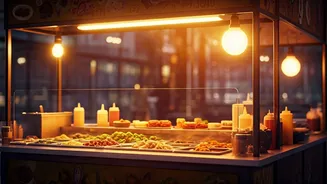
Before you even think about the food, take a moment to observe the vendor and their setup. The most popular stall is often the safest bet. [7, 9, 10] A long line of locals, especially with families and children, is a strong indicator that the food is fresh,
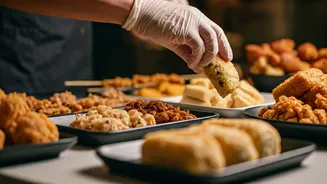
trusted, and hasn't been sitting around. [7, 9] Look for general cleanliness. Are the surfaces wiped down? [11, 21] Are the ingredients stored in covered containers? [11] A vendor who takes pride in their stall's appearance likely takes similar care with their food. Observe their food handling practices. Are they using separate utensils for raw and cooked items? [12, 24] Do they handle money and food separately, or at least wash their hands or use gloves in between? [10, 11] These small details are big clues about their commitment to hygiene. A well-maintained and organised stall is a great first sign. [11]
Food Forensics: What to Order (and What to Skip)
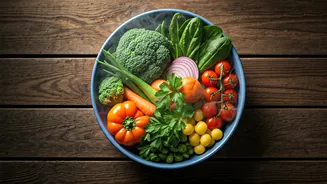
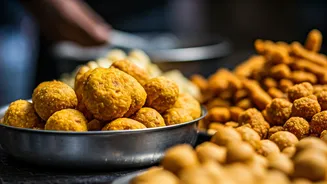
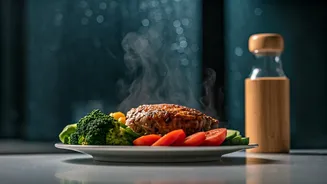
Not all street foods are created equal when it comes to safety. Your best friends are heat and speed. Opt for foods that are cooked fresh to order, right in front of you. [7, 9] Items that are deep-fried, grilled, or boiled at high temperatures are generally safer because the heat kills most harmful bacteria. [3, 7, 13] Think hot samosas, freshly made dosas, or grilled corn on the cob. [3] Be cautious with foods that have been sitting out, especially at lukewarm temperatures, as this is the 'danger zone' where bacteria thrive. [2, 4] It's wise to be wary of pre-cut fruits and raw salads, as they may have been washed with tap water and exposed to the air for a long time. [7, 10] If you're craving fruit, choose something you can peel yourself, like a banana or an orange. [7, 10] Also, be mindful of chutneys and sauces that are left uncovered in the open, as they can be a source of contamination. [3]
The Water and Ice Rule
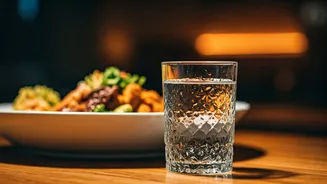
One of the quickest routes to an upset stomach is contaminated water. [9] This is a golden rule for street food safety: avoid tap water. [6, 13] This extends to ice in your drinks, as you can't be sure of the water source. [3, 7, 9] Stick to sealed, bottled water from reputable brands. [13] When it comes to beverages, hot tea or coffee are excellent choices because the water has been boiled. [3, 13] Fresh coconut water, drunk directly from a green coconut, is another safe and hydrating option. [9] For popular drinks like pani puri, some vendors may offer to make it with bottled mineral water if you ask. [10] If you're unsure, it's always safer to ask for the dry version (sukha puri) to avoid the risk. [9]
It's Not Just the Food: Your Own Habits Matter
Food safety isn't just the vendor's responsibility; your own hygiene plays a huge part. Always wash your hands thoroughly with soap and water before eating. [3, 4, 5] If soap and water aren't available, a good quality hand sanitiser is the next best thing. [9] This is especially important in India, where eating with your hands is common. [9] Also, try not to overeat, especially when trying a new or particularly spicy dish. [10, 18] Overloading your system can cause digestive distress on its own, even if the food is perfectly safe. [18] Start with small portions to see how your stomach reacts before going all in.
When Trouble Strikes: A Gentle Recovery Guide
Even with the best precautions, an upset stomach can sometimes happen. If you find yourself feeling unwell, the first step is to focus on hydration, as vomiting or diarrhoea can dehydrate you quickly. [14, 17] Sip on clear fluids like water, clear broths, or oral rehydration solutions. [17] When you feel ready to eat again, start with bland, easy-to-digest foods. The BRAT diet—bananas, rice, applesauce, and toast—is a classic for a reason; these foods are gentle on your system and can help make stools firmer. [14, 16] Ginger and peppermint tea can also be soothing and help reduce nausea. [14, 16, 18] Give your body time to recover and avoid spicy, greasy, or heavy foods for a few days. [17]