



The Foundation: Your Bag Matters
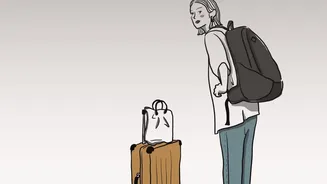
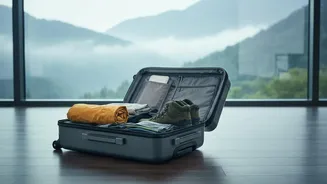
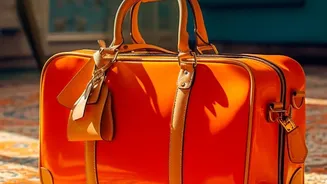
Your journey to a lighter load begins before you even pack a single item. The bag itself is a critical component of your overall weight. Many stylish carry-on suitcases can weigh two to three kilograms while empty, eating up a huge chunk of your allowance.
Instead, opt for an ultralight backpack or a minimalist soft-shell duffel designed for travel. Look for bags specifically marketed with a low empty weight, often found in the hiking or adventure travel sections of gear stores. A good target is a bag that weighs under one kilogram, giving you a full six kilograms for your actual belongings. This single choice can be the difference between easily meeting the limit and having to make painful cuts to your gear list later on.
The Outer Shell: Your Most Important Item
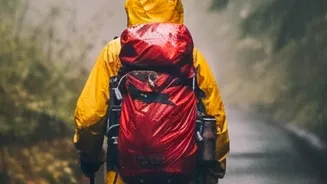
When rain is in the forecast, a reliable waterproof jacket is non-negotiable. But not all raincoats are created equal. Leave the heavy, insulated winter parka at home. Your goal is a lightweight, technically waterproof, and highly packable shell jacket. Look for materials like GORE-TEX Paclite or other proprietary 2.5-layer fabrics. These are designed to offer excellent waterproofing without the bulk of more robust 3-layer jackets meant for extreme mountaineering. A quality shell will be windproof and breathable, meaning it lets your sweat vapour escape so you don't get damp from the inside. It should pack down to the size of an apple and weigh only a few hundred grams. This single, high-performance piece will be your primary defence against the elements.
The Art of Layering for Warmth
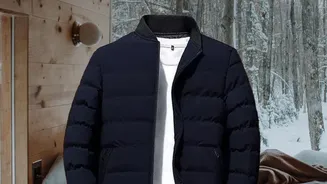
Instead of packing bulky sweaters or hoodies, adopt a layering system. This gives you the versatility to adapt to changing temperatures throughout the day. Your system should consist of three parts: a base layer, a mid-layer, and your outer shell. For the base layer, choose thin shirts made from merino wool or a high-quality synthetic fabric. Merino wool is an outstanding travel choice as it naturally resists odour, wicks moisture, and regulates temperature, meaning you can wear it multiple times without washing. For your mid-layer, a lightweight fleece or a packable down vest provides excellent warmth for its weight and can be easily stowed in a daypack when not needed. This system is far more space and weight-efficient than a single, heavy coat.
The Bottom Half: Trousers and Footwear
Jeans are a travel packing trap. They are heavy, bulky, and take forever to dry if they get wet. Instead, pack two pairs of versatile trousers made from quick-drying synthetic materials. Many modern travel or hiking trousers are stylish enough to be worn in a city but have the technical properties you need. For footwear, the 'one pair' rule is your best friend for staying under the limit. Invest in one pair of comfortable, waterproof, and versatile shoes or low-cut boots. They should be comfortable enough for a full day of walking but also look appropriate for a casual dinner. Wear your bulkiest item—your shoes—on the plane to save maximum weight and space in your bag.
A Minimalist Wardrobe and Smart Accessories
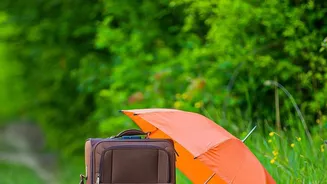
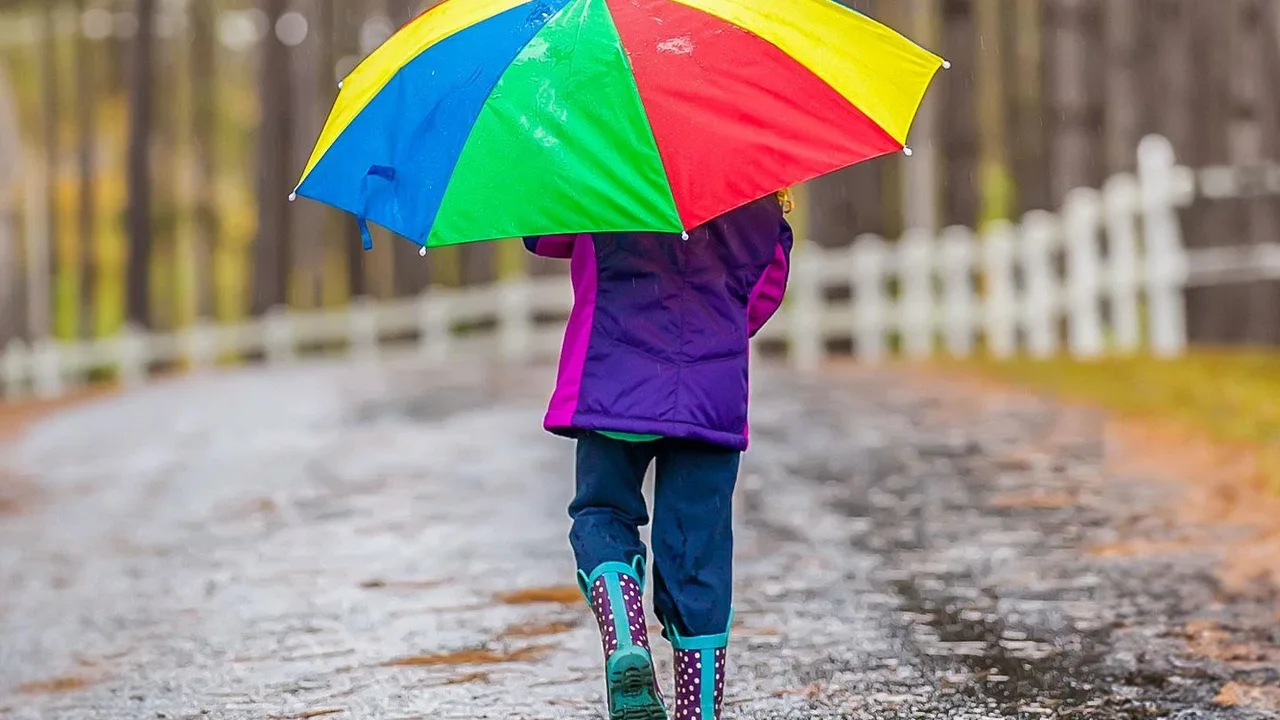
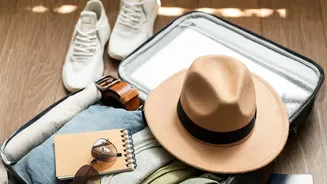
For a seven-day trip, you don't need seven different outfits. A capsule wardrobe built on your layering system is key. Aim for three to four base layer tops (which can be re-worn), one or two long-sleeve layers, and your two pairs of trousers. Choose a neutral colour palette where everything matches, maximising your outfit combinations. When it comes to accessories, ditch the full-sized toiletries. Solid versions of shampoo, conditioner, and toothpaste save a surprising amount of weight and eliminate the risk of spills. Consider a pair of waterproof socks for added protection on very wet days and a small, packable umbrella for navigating short city downpours without having to pull on your full rain jacket.
The Final Pack: Rolling and Cubes
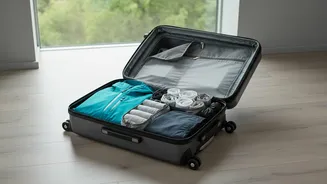
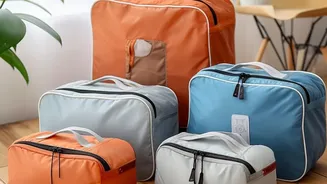
How you pack is as important as what you pack. The rolling method is superior to folding for most clothing items; it compresses garments and reduces wrinkles. To take organisation and compression to the next level, use packing cubes. These small zippered bags allow you to compartmentalise your clothing (e.g., one for tops, one for underwear) and squeeze out excess air. Not only do they save space, but they make living out of your suitcase far easier, as you won’t have to pull everything out just to find one pair of socks. Use one cube for clothes, another for electronics, and keep your toiletries in a separate waterproof bag. This organised approach helps you see exactly what you have and prevents overpacking.