





Lightweight Cotton: The Breathable Classic
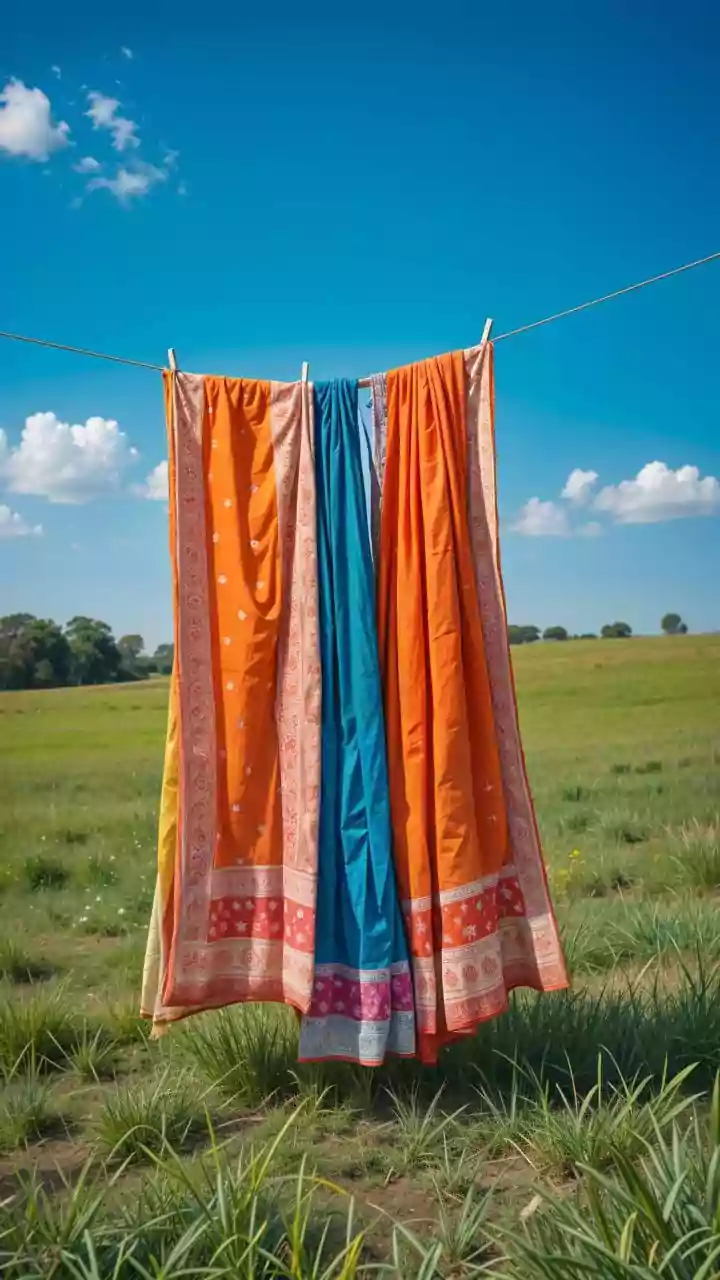
Cotton is a go-to fabric in India for good reason. Its natural fibres are soft, breathable, and excellent for hot and humid climates. During the monsoon, opting for lightweight cotton or 'mulmul' is a smart move. This fabric allows for air circulation,
which helps manage sweat and keeps you from feeling sticky. While pure, thick cotton can absorb a lot of water and become heavy, lighter weaves dry relatively quickly. For daily wear, cotton kurtas, shirts, and dresses are perfect. To avoid transparency issues when wet, consider choosing darker colours or printed designs.
Cotton Blends: The Best of Both Worlds
For those who love the comfort of cotton but need a quicker drying time, cotton blends are the answer. Fabrics blended with polyester, rayon, or lyocell combine the breathability of cotton with the durability and moisture-wicking properties of synthetics. These blends are less likely to wrinkle and hold their shape better when damp, making them a highly practical choice for commuting and office wear. A cotton-poly blend shirt or a pair of trousers made from a viscose-cotton mix will keep you looking sharp and feeling comfortable all day.
Rayon: Silky, Smooth, and Quick to Dry
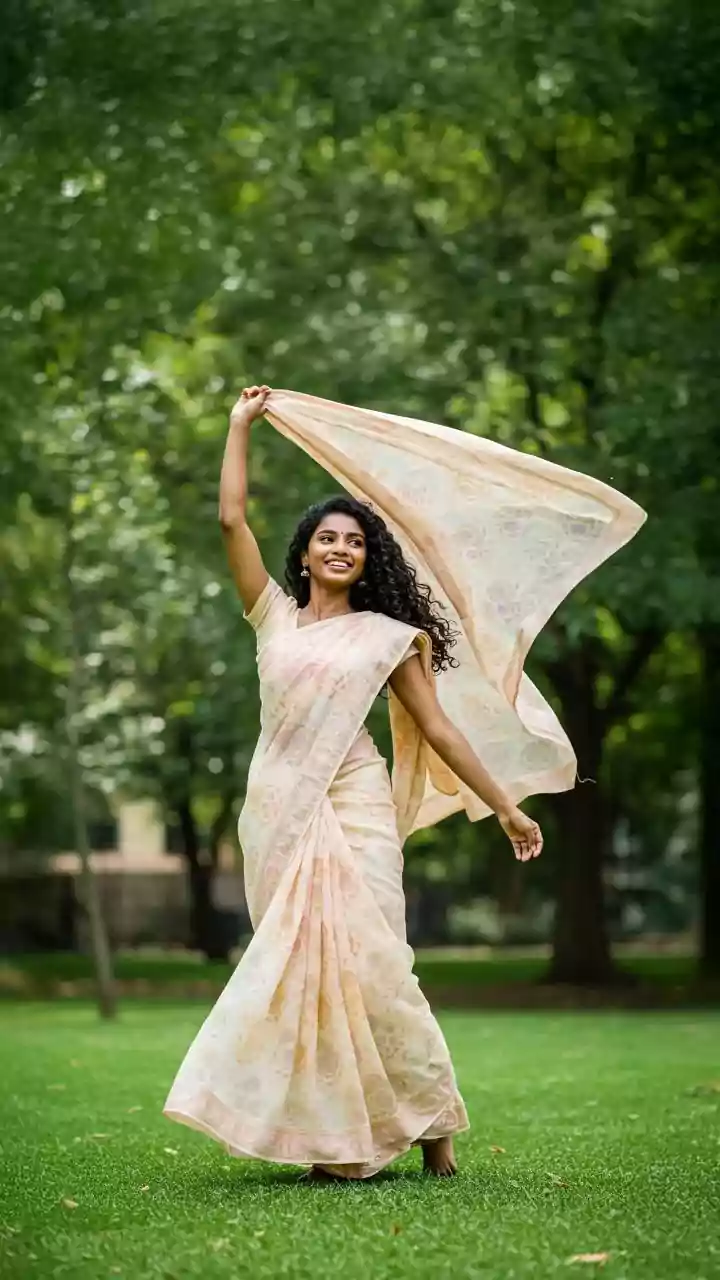
Rayon is a semi-synthetic fabric that offers the best of both worlds: it feels like natural silk but performs like a modern textile. It is incredibly lightweight, has a beautiful drape, and is highly breathable, which is ideal for combating monsoon humidity. Rayon absorbs moisture without trapping body heat and dries faster than pure cotton, helping you stay cool and comfortable. Its smooth texture prevents it from clinging to the skin, even when damp. Flowy rayon dresses, jumpsuits, and blouses are excellent additions to any monsoon wardrobe.
Linen: The Champion of Airiness
Linen is another natural fibre that excels in humid conditions. Known for its exceptional breathability and quick-drying nature, linen allows heat to escape from the body, keeping you feeling fresh. While it does wrinkle easily—a characteristic many consider part of its charm—its ability to handle moisture makes it a monsoon favourite. Linen shirts, trousers, and dresses offer a relaxed yet sophisticated look. For a less wrinkle-prone option, look for linen blends that mix the fabric with cotton or rayon.
Synthetic Performers: Polyester and Nylon
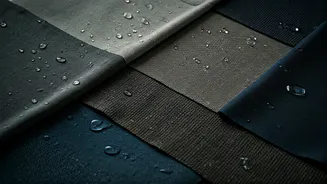
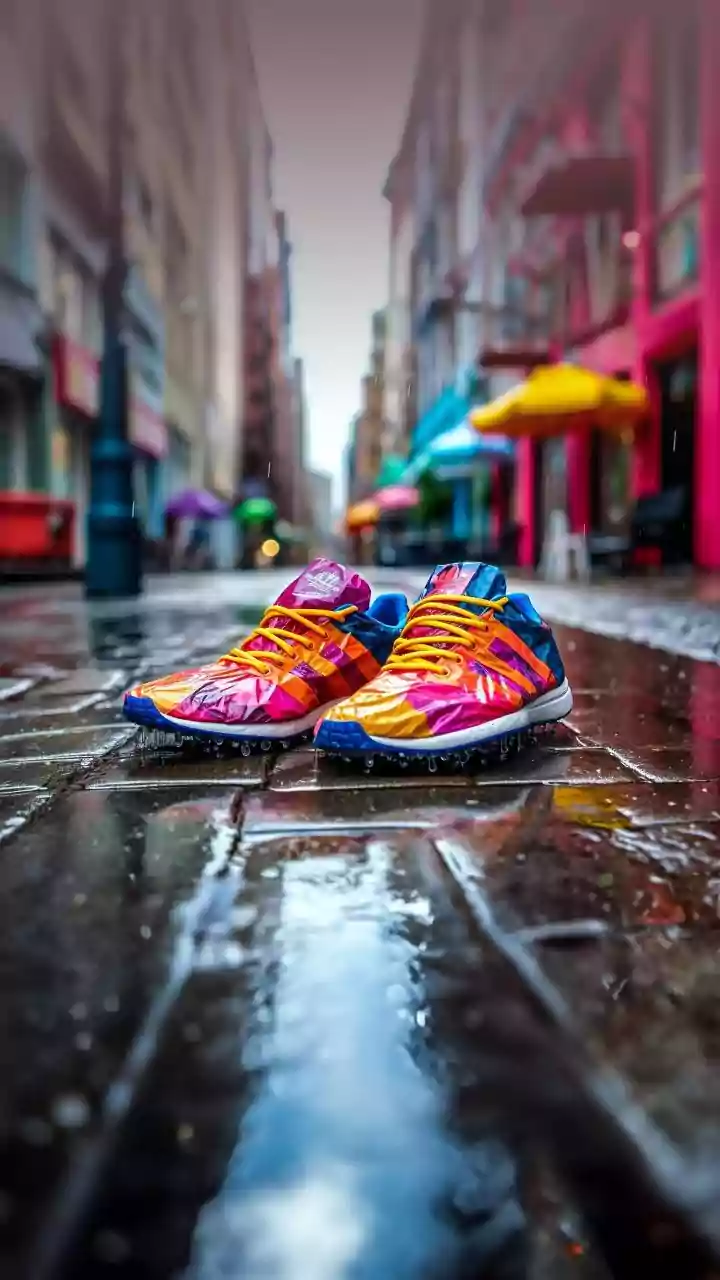
While natural fabrics are often praised, certain synthetics have a clear advantage in heavy rain. Polyester and nylon are champions when it comes to repelling water and drying quickly. This makes them ideal for outerwear like lightweight jackets and windcheaters. While a full polyester outfit can feel less breathable in high humidity, incorporating a single synthetic piece, like polyester trousers, can be a smart move on a very rainy day as they won't get waterlogged. Many modern activewear blends use these fabrics for their moisture-wicking capabilities.
Fabrics to Avoid During Monsoon
Just as important as knowing what to wear is knowing what to avoid. Steer clear of heavy fabrics like denim, wool, and velvet. These materials absorb a significant amount of water, become extremely heavy, and take a very long time to dry, often leading to a musty smell. Pure, heavy silk can also be problematic as it can develop water stains and becomes transparent. Leather, whether for shoes or bags, is a definite no-go as it can be permanently damaged by water.