
What Exactly Is Sugarcane Bagasse?
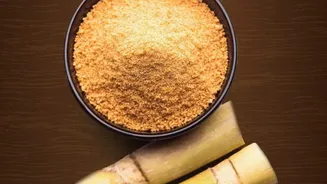
Sugarcane bagasse is the dry, fibrous pulp that remains after juice has been extracted from sugarcane stalks. For years, this material was either burned as a low-grade fuel or simply discarded. Now, instead of becoming waste, it's being repurposed into
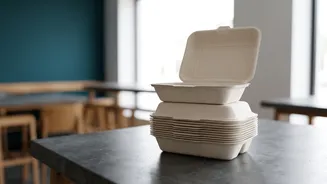
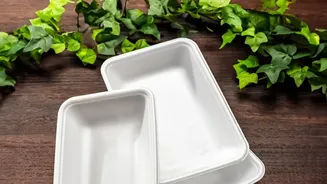
a valuable resource for the packaging industry. The manufacturing process involves washing the bagasse, pulping it into a slurry, and then using high heat and pressure to mould it into various shapes like bowls, plates, and clamshell containers. As India is the world's second-largest producer of sugarcane, it generates an enormous amount of this raw material—between 100 and 135 million tonnes annually—creating a significant local advantage for producing this eco-friendly packaging.
Made for the Demands of Food Delivery
Bagasse isn't just eco-friendly; it's highly functional, making it an excellent fit for the rigorous demands of food delivery. Its natural fibrous structure makes it remarkably sturdy and durable, capable of handling heavy meals without collapsing. One of its key advantages is its superior heat resistance; it can typically withstand temperatures up to 105-120°C, making it safe for microwaves and perfect for holding hot foods like curries and soups. Furthermore, bagasse is naturally resistant to grease and water, preventing leaks and sogginess—a crucial feature for ensuring food arrives in good condition. This combination of strength and resistance makes it a reliable replacement for the plastic and foam containers that have long dominated the sector.
A Truly Circular Solution
The environmental benefits of bagasse packaging extend throughout its lifecycle. The production process generally consumes less energy and produces fewer carbon emissions than manufacturing petroleum-based plastics. Because sugarcane is a renewable resource that grows quickly, bagasse is considered a highly sustainable material that does not contribute to deforestation. Its most significant advantage is its end-of-life outcome. Unlike plastic, which can persist in the environment for hundreds of years, bagasse is both biodegradable and compostable. Under the right conditions, such as in an industrial composting facility, it can break down into organic matter in as little as 60 to 90 days, leaving no toxic residues or microplastics behind.
Adoption and Challenges in the Indian Market
The shift towards bagasse is gaining momentum across India's food delivery networks and restaurants, driven by both consumer demand for sustainable options and stricter regulations on single-use plastics. The Indian sugarcane-based packaging market is growing steadily, valued at over USD 39 million in 2024 and projected to expand significantly. This growth is supported by a strong local manufacturing base, with production hubs often located near sugar mills in states like Uttar Pradesh and Maharashtra. However, the transition is not without challenges. The upfront cost of bagasse packaging can sometimes be higher than conventional plastics, although this gap is narrowing. There are also practical limitations; for instance, while resistant, it may soften if holding extremely hot liquids for extended periods (over two hours). Ensuring widespread access to industrial composting facilities is another hurdle to maximizing its environmental benefits.