






A Symphony for the Senses
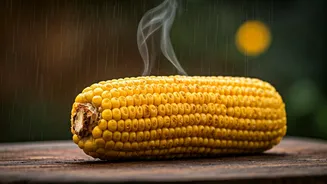
It begins not with taste, but with sound and smell. First, the pitter-patter of raindrops on pavement, a universal signal to slow down. Then, drifting through the damp air, comes the unmistakable scent of charcoal and roasting corn. This is the overture
to the monsoon experience. The sight of the bhutta-wala fanning embers under a large black umbrella, the glowing coals illuminating rows of pale yellow cobs, is a scene etched into our collective memory. The experience is a multi-sensory masterpiece: the smoky aroma mixing with the earthy smell of wet soil (petrichor), the hiss of a stray raindrop hitting the hot coals, and the visual contrast of the bright, charred corn against a grey, overcast sky. Before you even take a bite, you’re already consuming an atmosphere.
More Than Just a Snack
To call bhutta just a snack is to miss the point entirely. It is a social ritual, an excuse to gather. It’s the impromptu stop on the way home from work, the shared treat with friends while huddled under a shop awning, or the highlight of a long drive through the countryside on a rainy weekend. Unlike a packaged snack, bhutta is an experience you participate in. You watch it being made, you specify your spice level—'thoda teekha, bhaiya'—and you eat it immediately, the heat warming your hands. It’s a moment of connection, both with the person you’re with and the vendor who prepared it. This communal aspect transforms it from mere sustenance into a shared memory, repeated and cherished every single year.
The Art of the Bhutta-Wala
The unsung hero of this love story is the roadside vendor. Part artist, part magician, the bhutta-wala presides over a simple yet precise craft. They know exactly how long to roast each cob, turning it expertly over the open flame with a pair of tongs until the kernels are tender but still have a bite, with just the right amount of char. The real masterstroke, however, is the seasoning. A half-cut lemon is dipped into a signature blend of salt, red chilli powder, and chaat masala, then rubbed vigorously over the hot cob. This isn't just a sprinkling of spices; it's an aggressive, flavour-infusing massage that forces the tangy, spicy, salty notes into every crevice. This final flourish is a performance in itself, a swift and practiced motion that elevates the simple corn into something extraordinary.
A Bite of History and Variety
While it feels intrinsically Indian, maize (or corn) is not native to the subcontinent. It journeyed from the Americas to the Old World and was likely introduced to India by the Portuguese in the 16th or 17th century. Since then, it has become a staple crop and, more importantly, a cultural icon. The classic bhuna bhutta—roasted on coals—is the most iconic version, loved for its smoky flavour and chewy texture. But it has a close cousin: the boiled or steamed bhutta. Often found in pushcarts at tourist spots and beaches, these cobs are softer, juicier, and typically slathered with butter, salt, and a squeeze of lime. While the roasted version sings of the rustic outdoors, the boiled one offers a gentler, more comforting warmth. The choice between them is a matter of mood and memory, but both are pillars of the monsoon food pyramid.
The Science of Our Craving
Why this specific craving when it rains? There’s a bit of science to it. The drop in temperature and increase in humidity during a downpour can make us feel a little sluggish. Our bodies instinctively crave warm, energy-dense foods. Bhutta, a good source of carbohydrates, provides that instant energy boost. The salt helps replenish electrolytes lost through sweat in the humidity, and the capsaicin from the chilli can provide a slight mood lift. But beyond the biology, it’s about psychology. We associate this combination of warmth, salt, and spice with comfort, with feelings of cosiness and contentment that perfectly counter the gloom of a rainy day. It's the culinary equivalent of a warm hug.