



The Problem with the Chair
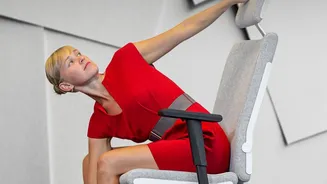
Our bodies are designed for movement, but modern life often keeps us desk-bound. When you sit for extended periods, your hips are held in a flexed position. This causes the muscles at the front of your hip, known as the hip flexors, to become short and
tight. At the same time, the muscles on the opposite side, your glutes, become inactive and weak from lack of use — a problem clinicians sometimes call 'glute inhibition'. This combination of tight hip flexors and weak glutes creates a significant imbalance that disrupts the natural mechanics of your pelvis and lower back. Over time, this constant state of flexion can lead to reduced joint mobility, making everyday movements feel stiff and restricted.
The Ripple Effect of Tight Hips
The consequences of poor hip mobility extend far beyond the hips themselves. When your hips can't move through their full range of motion, your body compensates by finding that movement elsewhere, most often in the lower back. This added strain on the lumbar spine is a common culprit behind chronic lower back pain. Poor hip mobility can also alter your walking and running patterns, putting excess stress on your knees and ankles. It affects your posture, often contributing to a forward tilt of the pelvis which can cause your lower back to overarch. For those who are active, tight hips can limit performance in sports and at the gym, hindering your ability to squat deeply or run efficiently and increasing your risk of injury.
Mobility vs. Simple Stretching
Many people think a few static stretches are enough to fix tightness, but true mobility is more than just flexibility. Flexibility is about a muscle's ability to lengthen passively. Mobility, on the other hand, is about actively moving a joint through its entire range of motion with control. A good mobility routine combines dynamic stretching with strengthening exercises. This approach not only lengthens tight muscles but also activates and strengthens weak ones, like the glutes. By building strength and stability around the hip joint, you create lasting change and support a healthy, functional range of motion rather than just temporary flexibility.
Essential Exercises for Hip Mobility
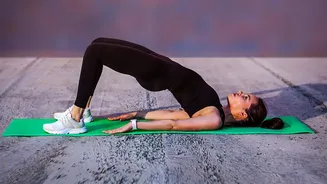
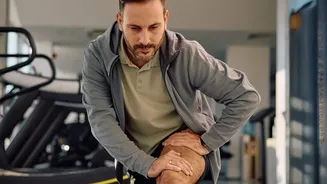
You don't need special equipment to start improving your hip mobility at home. A few key movements, performed consistently, can make a significant difference. One of the most effective is the 90/90 Stretch, which targets both internal and external rotation of the hip. Another crucial exercise is the Kneeling Hip Flexor Stretch; by gently tucking your pelvis, you can isolate the stretch at the front of the hip. To awaken dormant glutes, the Glute Bridge is a simple yet powerful exercise that strengthens the back of your body and helps stabilize the pelvis. Finally, incorporating dynamic movements like Leg Swings (forward-and-back and side-to-side) helps warm up the joint and improve active range of motion.
Building a Consistent Routine
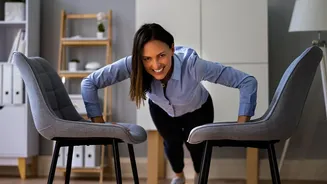
The key to undoing the strain of prolonged sitting is consistency. Aim to perform a short mobility routine daily or at least several times a week. You can do it in the morning to prepare your body for the day, or as a break from sitting at your desk. Even just 10-15 minutes can yield significant benefits. Start slowly, focusing on controlled movements rather than pushing into pain. The goal is to gently encourage your hips to move through their natural patterns. Remember to stand up and walk around at least once every hour to prevent your muscles from settling into that shortened, seated position. This simple habit, combined with a dedicated mobility practice, is one of the most effective ways to counteract the negative effects of a sedentary lifestyle.