



The Everyday Classic: Toor Dal
Known as arhar dal or split pigeon peas, toor dal is arguably the most common dal in Indian kitchens, forming the base for countless regional dishes like the South Indian sambar or a simple Gujarati dal. With a mild, nutty flavor and a creamy texture
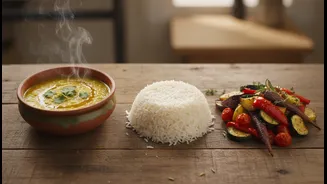
when cooked, it’s a comforting staple. Rich in plant-based protein and fiber, it plays a crucial role in vegetarian diets. While a pressure cooker is fastest, it can also be cooked on a stovetop. A 30-minute soak before cooking helps soften it, ensuring it cooks faster and more evenly. A basic toor dal tadka involves simmering the cooked dal with turmeric and salt, then finishing it with a tempering of ghee or oil, cumin seeds, mustard seeds, garlic, and dried red chilies.
The Quick & Light Option: Moong Dal
Split and hulled moong dal, with its distinctive yellow color, is prized for being incredibly light and easy to digest. This makes it a go-to choice for simple, nourishing meals like khichdi, and it's often recommended during recovery from illness. It cooks much faster than other lentils, making it perfect for a quick weeknight dinner. Despite its delicate nature, moong dal is a nutritional powerhouse, packed with protein and dietary fiber. It's also a great source of essential minerals like potassium and magnesium, which support heart health. For a simple preparation, cook it until soft and finish with a light tempering of cumin seeds, ginger, and asafoetida (hing). Its mild flavor also makes it suitable for salads and even batters for dosa.
The Weeknight Staple: Masoor Dal
Recognizable by its vibrant orange-red hue, masoor dal (red lentil) is another quick-cooking champion. It doesn't require pre-soaking and breaks down into a creamy, soupy consistency, making it ideal for simple dal preparations. Masoor dal is an excellent source of protein, iron, and fiber. Its high fiber content aids digestion and helps in managing blood sugar levels. The presence of essential nutrients like folate and magnesium also contributes to heart health. A common way to prepare masoor dal is to simmer it with onions, tomatoes, and garlic, then temper it with spices. Its earthy flavor pairs well with a variety of spices, making it a versatile and satisfying weeknight meal.
The Nutty Powerhouse: Chana Dal
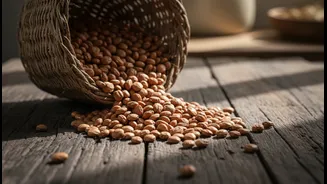
Made from split and polished Bengal gram, chana dal holds its shape well after cooking, offering a firm, satisfying bite and a distinctly nutty flavor. This texture makes it ideal for dishes where you want the dal to remain somewhat whole. It's one of the most protein-dense pulses commonly found in the Indian kitchen, and also boasts an exceptional amount of dietary fiber, which is great for digestive health and providing a feeling of fullness. Due to its firm texture, chana dal requires a longer cooking time and benefits from being soaked for a few hours. It’s used in everything from simple dals and curries to stuffings for parathas and even sweets.
The Creamy Indulgence: Urad Dal
Urad dal, or black gram, is a versatile pulse that comes in several forms: whole with the black skin on (sabut urad), split with the skin, and split and hulled (white urad). The whole black gram is the star ingredient in the famously rich and creamy Dal Makhani. When cooked, urad dal has a uniquely slippery texture and a deep, earthy flavor. It is a fantastic source of protein, iron, and magnesium. White urad dal is essential for making the batters for South Indian staples like idli and dosa. Cooking whole urad dal properly requires soaking overnight and a longer cooking time to achieve a creamy consistency.
The Weekend Stars: Rajma and Lobia
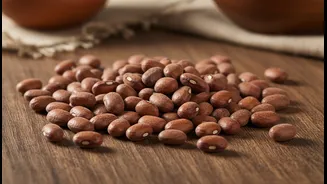
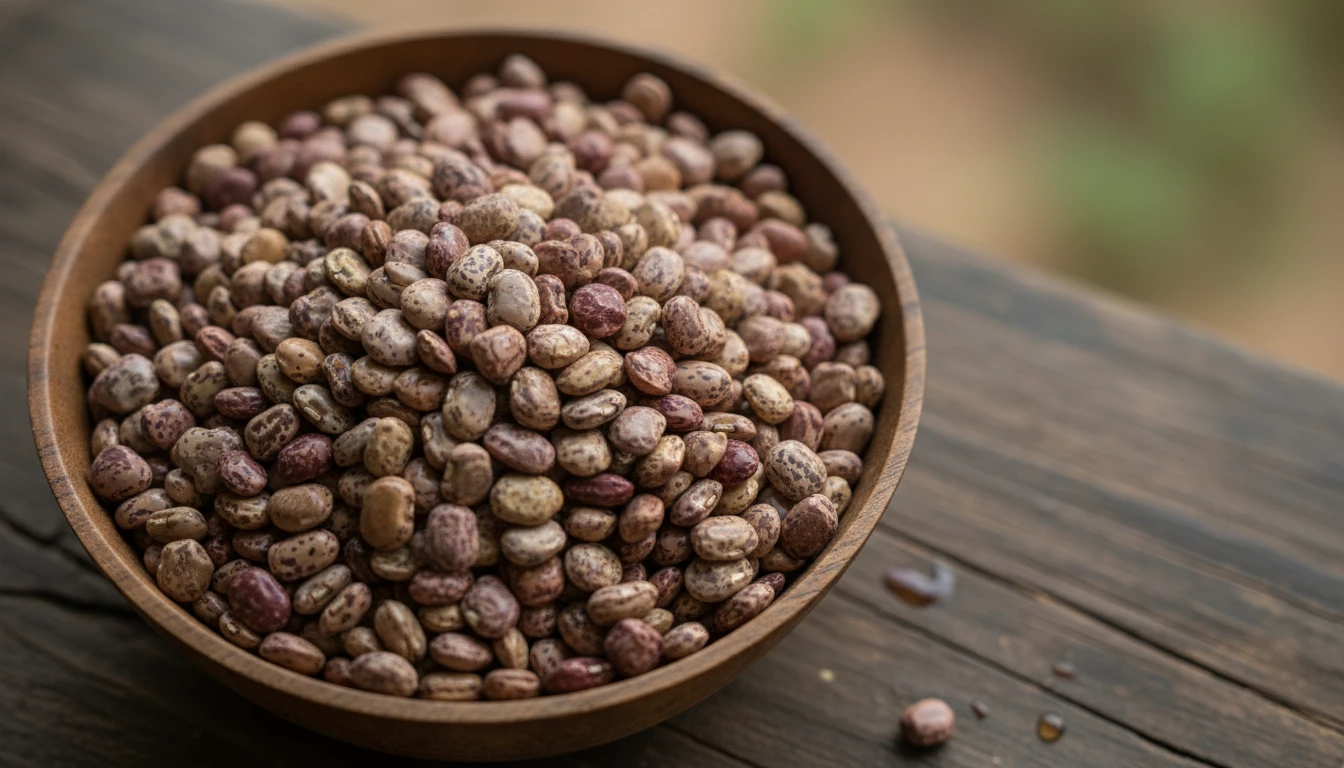
While technically beans, no list of Indian pulses is complete without rajma (kidney beans) and lobia (black-eyed peas). These are typically reserved for more substantial, weekend-style meals. Rajma is the heart of the beloved North Indian dish rajma-chawal. It is a good source of protein and fiber. Lobia, which has a shorter cooking time than rajma, is used in various masala preparations. Both require soaking for several hours or overnight to soften before being cooked in a thick, spiced gravy of onion, tomato, ginger, and garlic.