




The First Rule: Aviate, Navigate, Communicate
When an alarm sounds, pilots are trained to follow a strict hierarchy of priorities: aviate, navigate, communicate. The first and most critical task is to fly the aircraft. This means maintaining control and ensuring the plane is in a stable state before
anything else. The natural urge to immediately diagnose the problem is suppressed in favour of stability. Once the aircraft is under control, the next step is navigation—knowing where you are and where you're headed. Only after these two conditions are met does the third priority, communication, come into play. This includes talking to air traffic control and the cabin crew. This mantra ensures that the most vital task—keeping the plane safely in the air—is never compromised.
Two Pilots, Two Roles: Flying vs. Monitoring
In a multi-crew cockpit, roles are clearly divided to prevent cognitive overload. The 'Pilot Flying' (PF) is responsible for physically controlling the aircraft or managing its automated flight path. Their entire focus is on the 'aviate' and 'navigate' parts of the mantra. The other pilot becomes the 'Pilot Monitoring' (PM). This title is a deliberate evolution from the older 'Pilot Not Flying' because the role is anything but passive. The PM handles checklists, diagnoses the issue, manages the aircraft's systems, and carries out all communications. This division of labour is a core principle of Crew Resource Management (CRM), a set of procedures that emphasizes teamwork and communication to mitigate human error. The PM acts as a crucial cross-check, verifying the PF's actions and providing a second set of eyes on the entire situation.
The Cabin Crew: Eyes and Ears of the Aircraft
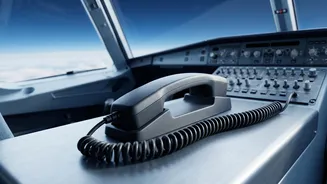
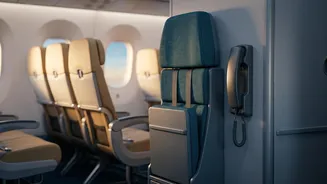
The cabin crew are far more than service providers; they are trained safety professionals. During an emergency, they are the cockpit's link to the passenger cabin. They are trained to communicate critical information—such as the location of a fire, strange noises, or a medical emergency—to the pilots using a dedicated interphone system. This communication is often standardized with specific codes or phrases to ensure clarity under pressure. If an emergency landing is required, the cabin crew prepares the cabin, instructs passengers on brace positions, and manages any potential panic. Their calm and authoritative presence is essential for an orderly response and, if necessary, a swift evacuation. The coordination between the flight deck and cabin is a rehearsed and vital component of crisis management.
The Automated Teammates: Silent Guardians
Modern aircraft are equipped with a suite of sophisticated automated systems that act as silent partners in the cockpit. These are not just autopilots for cruising but advanced safety nets. For example, the Enhanced Ground Proximity Warning System (EGPWS) alerts pilots if they are dangerously close to terrain, while the Traffic Collision Avoidance System (TCAS) monitors nearby aircraft and can even issue automated instructions to climb or descend to prevent a collision. These systems reduce pilot workload by constantly monitoring the environment and aircraft status, allowing the human crew to focus on higher-level decision-making. They provide crucial data and warnings, often catching potential issues before a human pilot could.
A Sterile and Collaborative Environment
To ensure maximum focus, aviation regulations mandate a 'sterile cockpit' during critical phases of flight, which includes take-off, landing, and any emergency situation. This rule strictly prohibits any conversation or activity not directly related to the safe operation of the aircraft. By eliminating distractions, it allows pilots to concentrate fully on the procedures at hand. This discipline, combined with the principles of CRM, fosters an environment where the First Officer is encouraged to question the Captain's decisions if they spot a potential error. This move away from a rigid, authoritarian hierarchy has been credited with preventing countless incidents by ensuring that every available resource in the cockpit—including the perspective of the co-pilot—is used effectively.