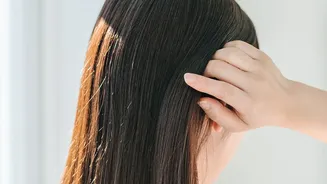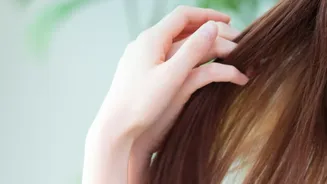


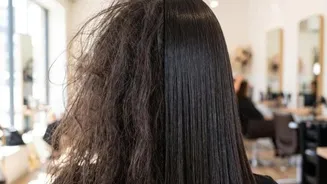

As the temperature drops, does your hair become dull, static-prone, and brittle? You're not imagining it. The shift from crisp outdoor air to dry indoor heating creates the perfect storm for moisture loss, leaving your strands stressed and damaged.
The Science of Winter Hair Damage
Hair
is hygroscopic, meaning it exchanges moisture with the air around it. Winter air, both outdoors and indoors, holds significantly less humidity than in warmer months. Cold outdoor air causes the hair's protective outer layer, the cuticle, to lift, allowing moisture to escape. When you step inside, dry indoor heating continues to pull moisture from your hair and scalp. This constant cycle of temperature change and moisture loss weakens the hair shaft, leading to a rough texture, frizz, static electricity, and increased breakage.
Wash Gently and Less Often
Hot showers may feel comforting in the cold, but they strip your hair and scalp of their natural protective oils, called sebum. This can lead to a dry, itchy scalp and even more brittle strands. Turn the temperature down to lukewarm when you wash your hair. Additionally, try to wash your hair less frequently—perhaps two to three times a week—to allow these natural oils to do their job. When you do shampoo, choose a mild, sulfate-free formula that cleanses without being overly stripping.
Make Weekly Masks a Priority
A regular conditioner is essential, but winter calls for a more intensive treatment. Incorporate a deep conditioning mask into your routine once a week. These masks are formulated with concentrated ingredients that penetrate the hair shaft to deliver a powerful dose of hydration. Look for products containing humectants like glycerin and hyaluronic acid, which draw moisture into the hair, and emollients like shea butter, argan oil, or coconut oil to seal it in and smooth the cuticle.
Layer Your Leave-In Products
Think of your post-shower routine as layering clothing for warmth, but for your hair. After washing, apply a lightweight leavein conditioner to damp hair to provide a base layer of hydration. Then, apply a small amount of hair oil or serum, focusing on the midlengths and ends. This second step helps to seal the cuticle, lock in the moisture from your leavein conditioner, combat frizz, and add shine. This twostep process provides a barrier against the dry air.
Rethink Your Heat Styling
Heat styling tools like blow dryers, flat irons, and curling wands cause further moisture loss from the hair. In winter, when your hair is already vulnerable, it's wise to reduce their use. Embrace airdrying whenever possible. If you must use heat, always apply a heat protectant spray first to create a buffer between the tool and your strands. Also, consider using the lowest effective heat setting on your tools to minimize damage.
Protect Hair From the Elements
Don't leave your hair exposed to harsh winter winds and cold. Wearing a hat is a simple and effective way to protect your strands. However, materials like wool and acrylic can cause friction that leads to static and breakage. To combat this, look for hats lined with silk or satin, or wear a silk scarf underneath your favourite woollen beanie. These smoother fabrics reduce friction and help your hair retain moisture.
Humidify Your Home
You can directly counter the effects of dry indoor heating by reintroducing moisture into your environment. Placing a humidifier in your bedroom or the room where you spend the most time can make a significant difference. A humidifier raises the ambient moisture level, which means the air is less likely to steal hydration from your hair and skin. This simple change benefits your overall health during the dry winter months.