


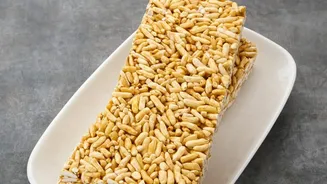
Step into any health-conscious urban kitchen in India, and you'll notice a quiet shift. Beyond the usual staples of wheat and rice, ancient grains are reclaiming their space. Millets are making a major comeback, and for very good reason.
A Return to Our Roots
For generations,
millets like jowar (sorghum), bajra (pearl millet), and ragi (finger millet) were the backbone of the Indian diet. They were affordable, widely available, and perfectly suited to our climate. However, the Green Revolution, while crucial for food security, heavily promoted wheat and rice, pushing these indigenous grains to the background. Now, the tables are turning. A growing awareness of health and wellness, coupled with a desire for sustainable food choices, is sparking a millet revival. Urban Indians are increasingly looking for foods that offer more than just calories; they want nutrition that supports a modern, active lifestyle.
The Nutritional Powerhouse
So, are millets really healthier than wheat and rice? The evidence points to yes. Compared to polished white rice and refined wheat, millets offer a superior nutritional profile. They are packed with dietary fibre, which aids digestion, helps in weight management, and provides a feeling of fullness. Millets also boast a lower glycaemic index, meaning they release sugar into the bloodstream more slowly, making them an excellent choice for managing blood sugar levels and for people with diabetes. Furthermore, they are often richer in essential minerals like iron, magnesium, and calcium.
Getting to Know Your Millets
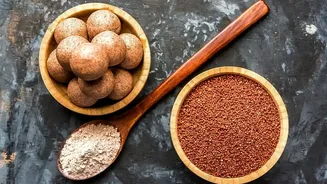
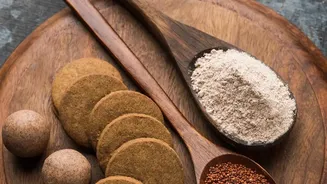
The term 'millet' refers to a group of small-seeded grains, not just one type. Each has a unique flavour, texture, and best use in the kitchen. Here are a few popular ones to start with: Ragi (Finger Millet): Famous for its high calcium content, ragi is a favourite in South India. Its flour is perfect for making rotis, dosas, and nutritious porridge. Jowar (Sorghum): A great source of protein and fibre, jowar flour is commonly used to make bhakri, a rustic flatbread. It is naturally gluten-free. Bajra (Pearl Millet): Rich in iron and magnesium, bajra is known for its warming properties, making bajra roti a winter staple in states like Rajasthan and Gujarat. Foxtail Millet (Kangni/Thinai): This versatile millet has a light, fluffy texture when cooked, making it an excellent substitute for rice in dishes like upma, pulao, or lemon millet.
Simple Swaps for Your Daily Diet
Incorporating millets into your meals doesn't require a complete dietary overhaul. The key is to start small and simple. Begin by swapping one of your regular meals. Instead of a wheat roti, try a jowar or bajra roti. You can mix a small portion of ragi flour into your regular atta to slowly get accustomed to the taste. Cook foxtail millet just like rice and serve it with your favourite dal or curry. For breakfast, a warm bowl of ragi porridge can replace your usual oats. Many ready-to-cook options, from millet dosa mixes to upma packets, are also now widely available, making the transition even easier for busy urban lifestyles.
Good for You, Good for the Planet
The benefits of millets extend beyond personal health. These grains are climate-resilient 'smart crops'. They require significantly less water than rice and wheat, can grow in arid conditions and marginal land, and need fewer pesticides and fertilisers. This makes them a more sustainable choice for farmers and the environment. The push for millets, amplified by initiatives like the International Year of Millets, supports agricultural diversity and provides a stable livelihood for farmers in dryland regions. By choosing millets, you are not just making a healthy choice for yourself but also a conscious one for the planet.