




The Overseas Hero India Needed
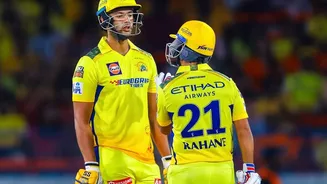
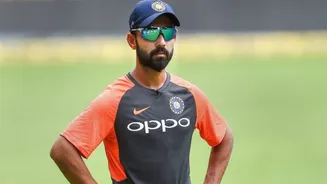
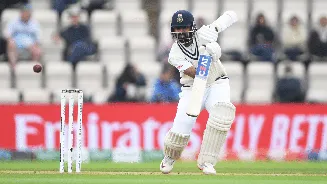
In the modern era, an Indian batsman’s legacy is often forged in the fires of overseas tours. By that metric, Ajinkya Rahane was a giant. When the ball seamed in England, bounced in Australia, or moved in New Zealand, he was often the man who stood firm.
His century at Lord’s in 2014 is a case in point; he arrived at the crease with India struggling at 145/7, yet produced a masterclass of 103 runs that earned him a spot on the honours board and paved the way for a historic Test win. That same year, he took on the fearsome Australian pace attack at the Melbourne Cricket Ground for a blistering 147. These were not just runs; they were statements. They were innings played when the team’s back was against the wall, solidifying his reputation as India’s ultimate crisis man.
The Captain Who Engineered a Miracle
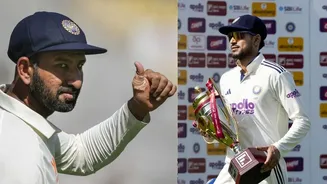
No discussion of Rahane’s value is complete without mentioning the 2020-21 Border-Gavaskar Trophy. It remains his magnum opus. After India were humiliated for a historic low of 36 in Adelaide and with captain Virat Kohli departing, the team was written off. What followed was one of the greatest comeback stories in cricket history, orchestrated by Rahane. He led a depleted, injury-ravaged squad with a quiet, steely resolve. His captain’s knock of 112 at the MCG was not just a century; it was an act of defiance that shifted the series' momentum entirely. He inspired a young side to breach Australia’s fortress, The Gabba, clinching the series 2-1. He finished his career with an unbeaten record as Test captain, having won four and drawn two of his six matches at the helm.
A Game of Diminishing Returns
For all his heroic feats, the charge against Rahane was his glaring inconsistency. The periods of sublime form were often followed by prolonged, frustrating slumps. His Test average, once comfortably in the high 40s, began a steady decline. The selectors' dilemma was real: how long do you back a player based on past glories when his present form is failing him? By 2021, his place in the team was under constant scrutiny. While he was part of the squad, his selection was often met with criticism, especially with talented youngsters like Shreyas Iyer waiting in the wings. He was eventually dropped after a poor tour of South Africa, with his struggles against spin at home also becoming a talking point. It was a difficult, but from a purely statistical standpoint, understandable decision.
The Selector’s Difficult Choice
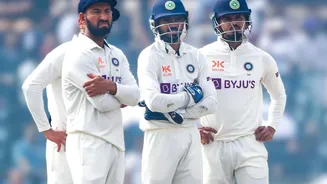
Ultimately, a selector’s job is thankless. They operate in the cold, hard currency of runs and form, tasked with building a team for the future, not just rewarding the heroes of the past. In dropping Rahane, they were not necessarily blind to his value as a leader or a crisis player. Instead, they made a pragmatic choice based on diminishing returns and the need to infuse fresh blood into an ageing middle order. His last comeback in 2023 was brief, lasting just three matches after a commendable performance in the World Test Championship final. The decision to move on from a 38-year-old batsman, regardless of his past heroics, is standard practice in the cut-throat world of professional sport. The question for the selectors was whether his intangible leadership qualities outweighed his tangible lack of runs. For a time, they did, but eventually, the numbers became too hard to ignore.