




Understanding Your Natural Toolkit
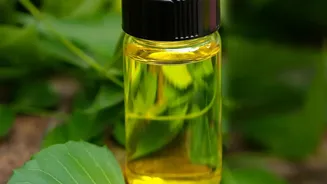
The magic of this DIY pesticide lies in its two simple ingredients. Neem oil is a vegetable oil pressed from the seeds of the neem tree (Azadirachta indica), a plant native to India that has been used in agriculture for centuries. It is not a fast-acting
poison, but works by disrupting the life cycle of pests. The active component, azadirachtin, repels insects, stops them from feeding, and interferes with their growth and reproduction. The second ingredient, mild liquid soap, is just as important. Oil and water don't mix, so the soap acts as an emulsifier, allowing the neem oil to disperse evenly in the water. This ensures that when you spray, you are delivering a consistent dose to all parts of the plant. Without soap, the oil would simply float on top of the water.
The Perfect Recipe for Your Spray
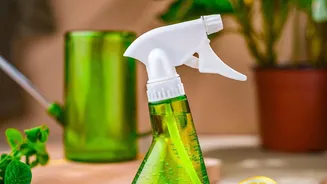
Creating your own natural pest solution is simple, but getting the ratio right is key for it to be both safe and effective. For a standard preventative spray, a 0.5% solution is a great starting point. Here’s a reliable recipe for a one-litre batch: Start with one litre of warm water. Warm water helps the oil and soap mix more easily. Add about half a teaspoon (2-3 ml) of a mild, biodegradable liquid soap. Avoid using strong detergents or degreasing dish soaps, as they can harm your plants. Mix the soap into the water thoroughly. Then, slowly add one teaspoon (about 5 ml) of 100% cold-pressed neem oil while stirring continuously. Pour this solution into a clean spray bottle. It’s crucial to use the mixture right away, ideally within eight hours, as the active compounds in neem oil begin to break down once diluted. Shake the bottle well before you start spraying and continue to shake it periodically during application to keep the mixture emulsified.
How and When to Apply
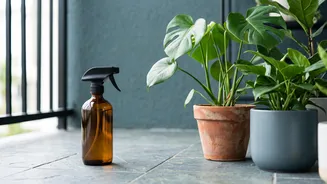
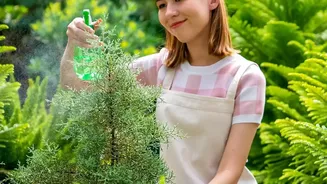
Proper application is just as important as the recipe. The best time to spray your plants is in the early morning or late evening. Applying the spray in the middle of the day, especially in direct sunlight, can cause the oil-coated leaves to burn. Pests often hide on the undersides of leaves and in the joints of stems, so be thorough. Ensure you coat all surfaces of the plant—the tops and bottoms of leaves, stems, and flowers—until the solution is just starting to drip. For an active infestation, you may need to apply the spray every 7 days. For preventative care, a lighter application every 10 to 14 days during the growing season is usually sufficient. Avoid spraying when rain is expected within 24 hours, as it will wash the solution away before it can work effectively.
What Pests Does It Control?
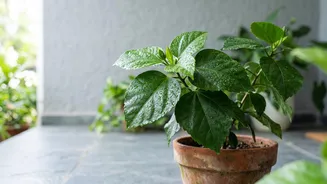
This homemade spray is effective against a wide range of common garden pests, particularly soft-bodied insects. It works well to manage aphids, mealybugs, whiteflies, spider mites, thrips, and the crawler stage of scale insects. It can also help deter some smaller caterpillars and beetle larvae from feeding on your plants. Beyond insects, neem oil also has fungicidal properties and can help prevent and control common fungal diseases like powdery mildew, black spot, and rust when applied regularly as a preventative measure. However, it's important to remember that it won't cure a plant that is already severely infected.
Important Safety Precautions
While natural, this spray should still be used with care. Before spraying an entire plant, especially a young or sensitive one, it's wise to perform a 'spot test'. Apply the spray to a small area, like a single leaf, and wait 24 to 48 hours to check for signs of damage or stress, such as leaf burn or discoloration. Some plants, particularly those with delicate or fuzzy leaves like certain herbs (basil, parsley), lettuce, or spinach, can be sensitive to oil sprays. Avoid using the spray on plants that are already stressed from heat, drought, or recent transplanting. Although neem oil is generally considered safe for beneficial insects like bees and ladybugs because it primarily harms pests that chew on the leaves, it's best to spray in the evening when pollinators are less active to minimize direct contact.