





What is Astrotourism?
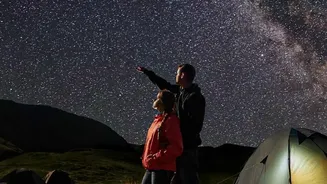
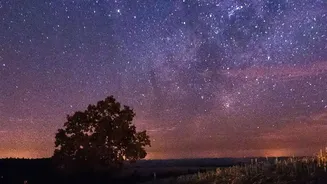
Astrotourism is travel planned specifically for experiencing the night sky. It goes far beyond a casual glance at the moon. This growing niche involves journeying to destinations with minimal light pollution to witness celestial events, from meteor showers
and eclipses to simply seeing the Milky Way in its full, breathtaking glory. With an estimated 83% of the world's population living under light-polluted skies, a truly dark sky has become a rare and valuable commodity. This form of travel combines science, nature, and a search for awe, offering a profound connection to the universe. It’s a sustainable, low-impact form of tourism that often supports the conservation of natural environments and empowers rural communities that happen to be situated under the darkest skies.
The Drivers Behind the Boom
Several factors are fuelling the surge in cosmic exploration. The primary driver is the very thing that makes it necessary: widespread light pollution. For the vast majority of people in urban and suburban areas, the Milky Way is completely invisible. This has created a powerful desire to seek out the few remaining pockets of true darkness. Furthermore, there's a growing wellness trend focused on disconnecting from technology and reconnecting with the natural world. The quiet contemplation of a star-filled sky offers a powerful antidote to our hyper-connected lives. Finally, a series of high-profile celestial events and space missions have rekindled public fascination with the cosmos, inspiring many to seek out their own space-related experiences here on Earth.
More Than Just Stargazing
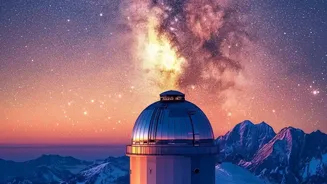
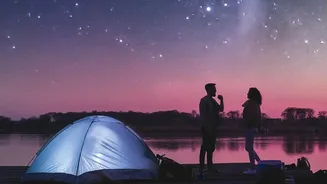
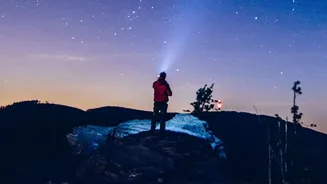
Today's astrotourism offers a wide array of 'cosmic adventures' that cater to all levels of interest. Experiences range from luxury 'star bed' safaris in Africa, where you can sleep under a canopy of stars, to guided tours of world-class observatories in Chile's Atacama Desert. Travellers can join 'star parties' at national parks, participate in astrophotography workshops, or chase the Northern Lights in Iceland during peak solar activity. Some hotels are now building their own observatories and hiring resident astronomers to guide guests through the cosmos. This new breed of tourism is less about passive observation and more about immersive, educational, and often luxurious experiences designed to create a lasting sense of wonder.
India's Starry Sanctuaries
India is rapidly emerging as a premier destination for astrotourism. The crown jewel is the Hanle Dark Sky Reserve in Ladakh, located within the Changthang Wildlife Sanctuary. At an altitude of over 4,500 metres, its dry, clear air and near-total lack of light pollution provide some of the best stargazing conditions in Asia. The reserve, home to the Indian Astronomical Observatory, is a science-driven initiative to promote astro-tourism while preserving the pristine skies. Beyond Ladakh, other hotspots are gaining popularity. Pench Tiger Reserve in Madhya Pradesh became India's first Dark Sky Park, blending wildlife safaris with celestial viewing. The high-altitude deserts of Spiti Valley, the vast salt flats of the Rann of Kutch, and parts of Rajasthan and Coorg are also attracting stargazers seeking unforgettable night-sky experiences.