
From Picture-Perfect to Personal Narratives
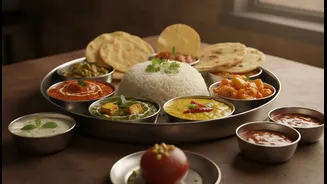
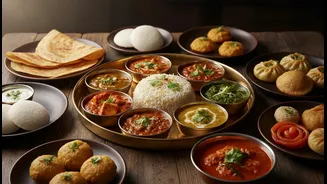
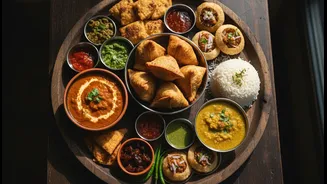
For years, travel albums and social media feeds were filled with vibrant, beautifully arranged plates of food that were often chosen for their visual appeal. Today, a significant shift is underway. Indian travellers are increasingly looking past the aesthetics,
seeking meals that offer a connection to a place, its history, and its people. It's a move from passive consumption to active engagement. According to recent travel insights, food has become a core travel motivator, with up to 40% of Indian travellers identifying local cuisine as a major factor when planning holidays. This new breed of 'gastro tourist' isn't just hungry for good food; they are hungry for experiences, authenticity, and the narratives woven into a region's culinary traditions.
What Does a Meal with a Story Taste Like?
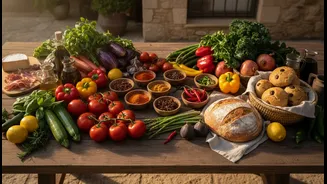
A meal with a story can take many forms. It might be a dish at a restaurant like 'Narrative' in Pune, which explicitly designs its menu to take diners on a journey through India's diverse regions, blending traditional recipes with contemporary twists. It could be a simple, home-cooked meal in a rural village, where the host shares generations-old cooking techniques and family history. These experiences are about context. Chefs are increasingly seen as storytellers, using local, seasonal, and sometimes forgotten ingredients to tell the tale of a region. Think of a dish featuring jackfruit or lotus stem that speaks of local ingenuity, or a coastal curry made with a specific souring agent like kanchampuli from Coorg. These are flavours that transport you and connect you to a place's identity.
The Hunger for Deeper Connection
Several factors are driving this trend. Increased disposable incomes and global exposure play a part, as does the influence of social media, where food content has moved from just showing pretty dishes to exploring culture and history. There is also a post-pandemic yearning for more meaningful connections and authentic experiences. Instead of just eating, travellers want to participate. This is reflected in the rising popularity of hands-on activities like cooking classes in Bali, sushi-making workshops in Japan, farm-to-table dining in Europe, and guided food walks through the bustling streets of Amritsar or Delhi. These activities transform a meal from a simple transaction into a lasting memory and a genuine cultural exchange.
How the Industry Is Responding
The travel and hospitality industries are taking note. Travel companies report a significant year-on-year increase in requests for food-led travel. Chefs and restaurateurs are moving away from generic 'Indian' menus to champion hyperlocal flavours and ingredient-driven concepts. Some high-end establishments now offer bespoke dining experiences where the entire menu is crafted around a personal story, such as a client's life milestones or travels. This trend extends beyond fine dining. Tour operators are curating culinary trails, food walks, and market visits that allow travellers to dive deep into a destination's food ecosystem. From exploring Chettinad's richly spiced cuisine to discovering the unique flavours of Northeast India, the opportunities for culinary exploration are expanding rapidly.