
The Breakfast Table Turnaround
For years, the morning rush in many urban Indian homes meant reaching for quick, processed options like sugary cereals or plain white bread. But a significant shift is underway. Families are increasingly turning back to the breakfasts of their childhoods,
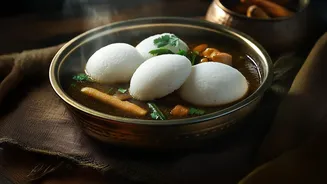
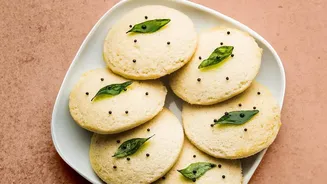
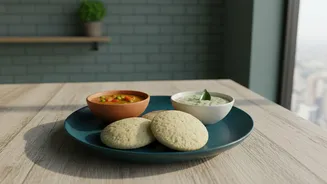
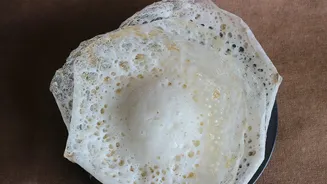
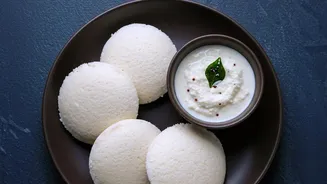
with soft, fluffy idlis and delicate, lacey appams regaining their pride of place. This isn't just a wave of nostalgia; it's a conscious choice driven by a growing desire for healthier, more meaningful meals to start the day. This trend sees households deliberately moving away from refined flours and empty calories, seeking food that nourishes and satisfies. The humble idli and appam, once seen as staples of a slower, more traditional lifestyle, are now being embraced as the smarter, healthier choice for modern life.
Not Just Nostalgia: The Millet Makeover
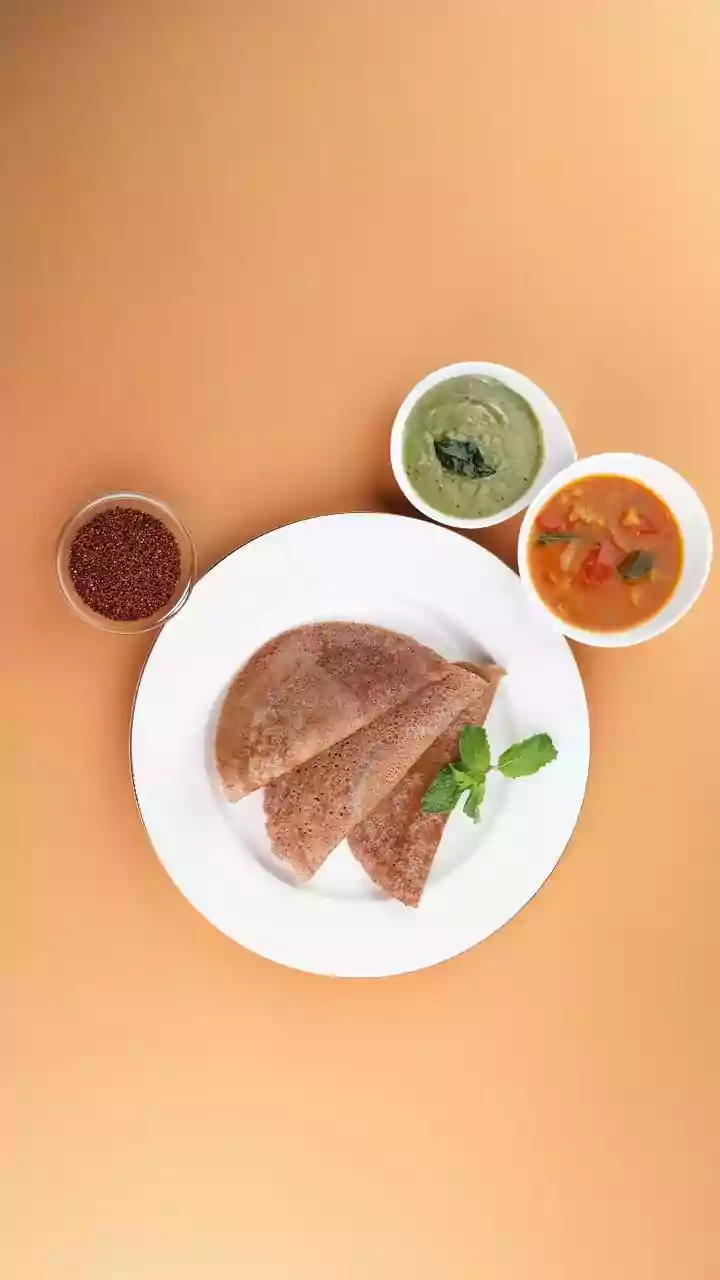
The secret ingredient powering this breakfast revival is millet. These ancient grains, long sidelined by the dominance of rice and wheat during the Green Revolution, are now being celebrated as superfoods. Millets like ragi (finger millet), jowar (sorghum), bajra (pearl millet), and others are nutritional powerhouses. They are naturally gluten-free, making them suitable for those with sensitivities. More importantly, they are packed with dietary fibre, which is often dramatically higher than in polished white rice. This high fibre content aids digestion, promotes a feeling of fullness, and helps in weight management. Millets also boast a lower glycemic index compared to white rice, meaning they release sugar into the bloodstream more slowly, preventing energy spikes and crashes—a crucial benefit for managing blood sugar levels and preventing lifestyle diseases.
A Health Upgrade for a Classic Favourite
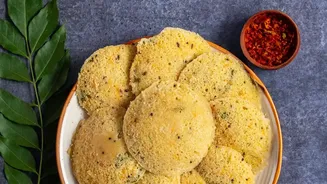
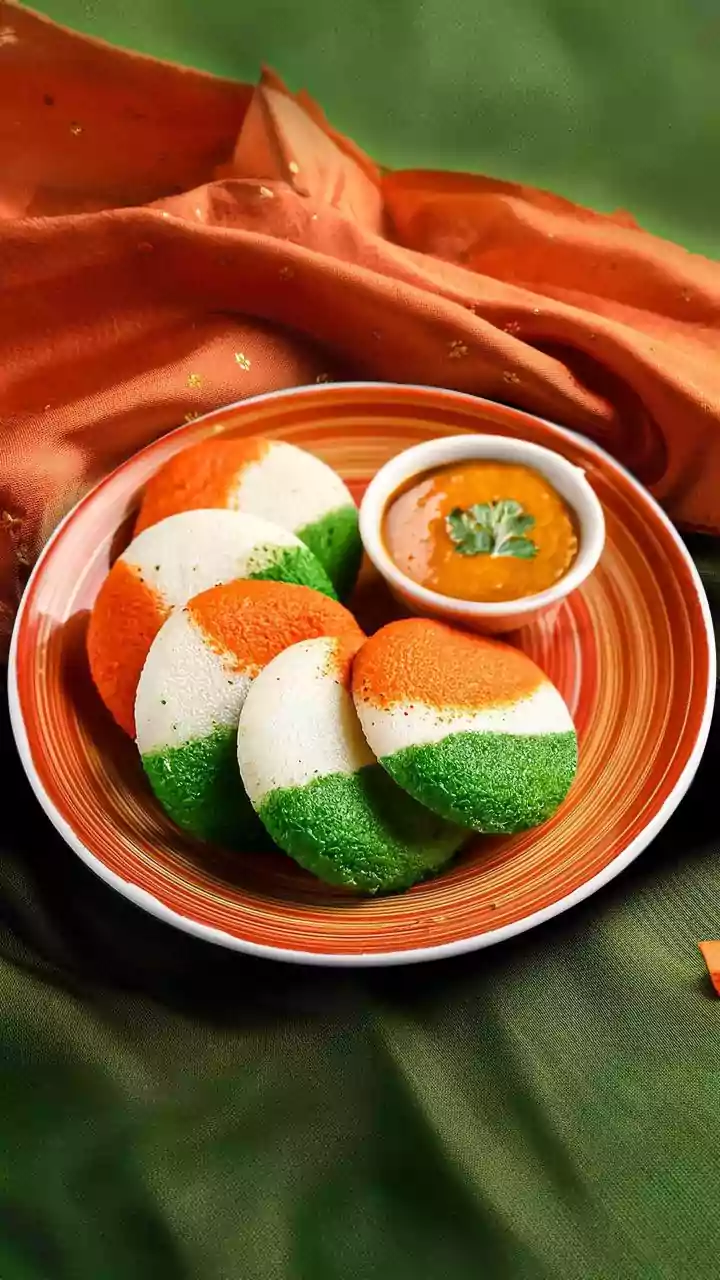
Incorporating millets into classic recipes like idli and appam is a game-changer. By replacing some or all of the rice with millets, these beloved dishes are transformed into nutritionally dense meals without compromising on their comforting taste or texture. Millet idlis are often richer in protein and essential minerals like iron and calcium compared to their rice-based counterparts. This makes them an excellent choice for everyone, from growing children to adults seeking to boost their nutrient intake. The fermentation process involved in making the batter already makes idlis easy to digest; the addition of high-fibre millets further enhances their gut-friendly properties. The result is a breakfast that is light on the stomach yet provides sustained energy to power through a busy morning.
Tradition Meets Modern Convenience
This health-driven trend might have faltered if it weren't for modern convenience. The time-consuming process of soaking, grinding, and fermenting batter from scratch is a significant hurdle for time-pressed urban families. Recognising this, a growing number of brands and local businesses have stepped in, offering ready-to-cook millet-based idli and appam batters. These packaged batters, now a common sight in supermarkets and online grocery stores, remove the most laborious steps, making a wholesome, traditional breakfast achievable even on a weekday morning. This fusion of ancient grains and modern convenience is the key to their success, allowing people to reconnect with their culinary roots without sacrificing precious time.
More Than Just a Meal
Choosing millet-based appams and idlis is about more than just nutrition; it's a cultural statement. It represents a conscious decision to embrace local, sustainable ingredients and celebrate India's rich culinary heritage. For many, it's a way of reclaiming the wisdom of their grandparents' kitchens, where seasonal, locally-grown grains were the norm. This shift also has a positive environmental impact, as millets are hardy, drought-resistant crops that require significantly less water and pesticides than rice and wheat, making them a more sustainable choice for the planet. As more people become aware of these benefits, the movement towards traditional, millet-based breakfasts is solidifying its place not as a fleeting trend, but as a long-term evolution in the urban Indian diet.