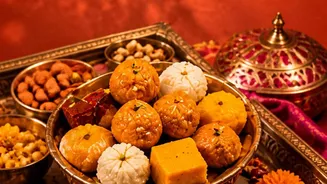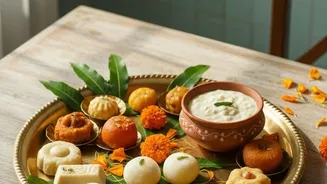



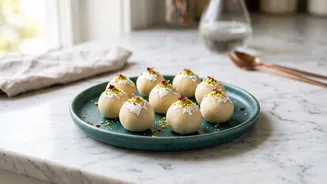
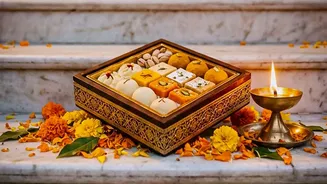
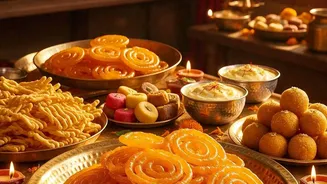
Planning a homemade Diwali sweet spread can feel like a huge task. But with a little organisation, you can create a memorable and delicious menu without the stress. This guide breaks down how to build a balanced offering for the festival of lights.
The Art of a Balanced Menu
The
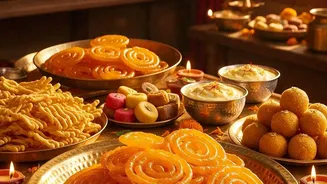
key to a standout Diwali sweet platter isn't just quantity; it's variety. A well-organised menu offers a delightful journey of textures and flavours. Instead of making ten complex recipes, aim for a balanced selection of three to five sweets. Think about contrast: a soft, milk-based sweet next to a crumbly, flour-based one; a rich, nutty fudge balanced by something light and syrupy. This approach not only creates a more interesting tasting experience for your guests but also makes your kitchen prep more manageable. Consider including a savoury snack or two, like Chakli or Namak Para, to cleanse the palate between the rich sweets.
Anchor with a Rich Classic
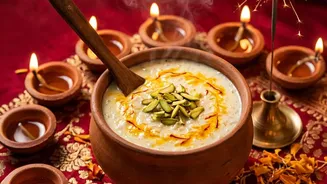
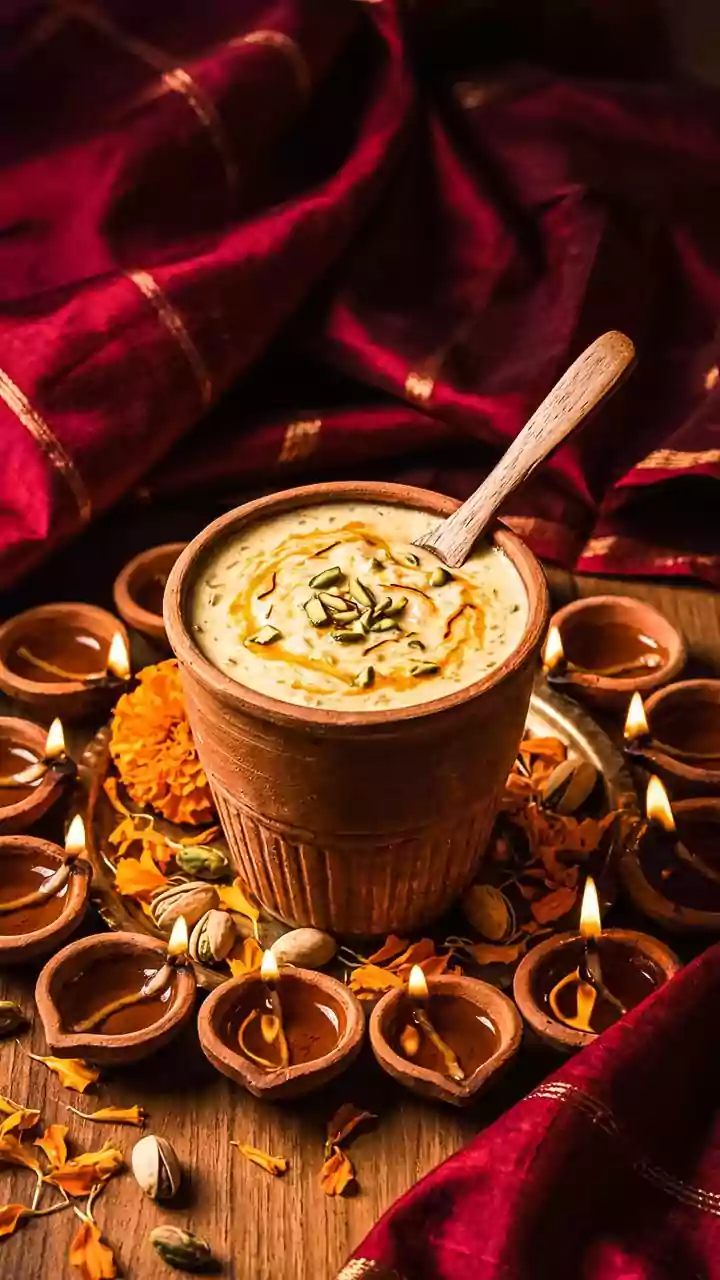
Every great sweet menu needs a star. A rich, milk-based dessert often serves this role perfectly. Options like Kheer, a fragrant rice pudding, or Kalakand, a soft milk fudge, are beloved classics that offer a comforting, creamy texture. Kheer is best made fresh on the day of serving for the best flavour and consistency. Kalakand, especially quick versions using condensed milk and paneer, can be made a day or two in advance and refrigerated, making it a great time-saver. These sweets provide a luxurious base around which you can build the rest of your menu.
Add a Gram Flour Powerhouse
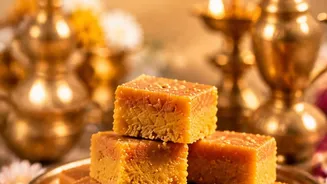
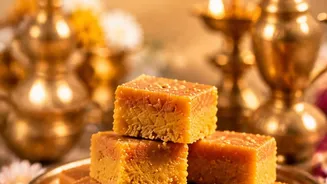
Gram flour, or besan, is the foundation for some of Diwali's most iconic sweets. Besan Ladoo, with its nutty aroma from slow-roasting the flour in ghee, is a non-negotiable for many families. Similarly, Mohanthal or Mysore Pak offer a dense, fudgy texture that is deeply satisfying. The magic of these sweets lies in the patient roasting of the besan, which develops a deep, unmistakable flavour. A major advantage is their shelf life; these can be made up to a week in advance and stored in an airtight container, which helps to spread out your cooking schedule.
Incorporate a Nutty Indulgence
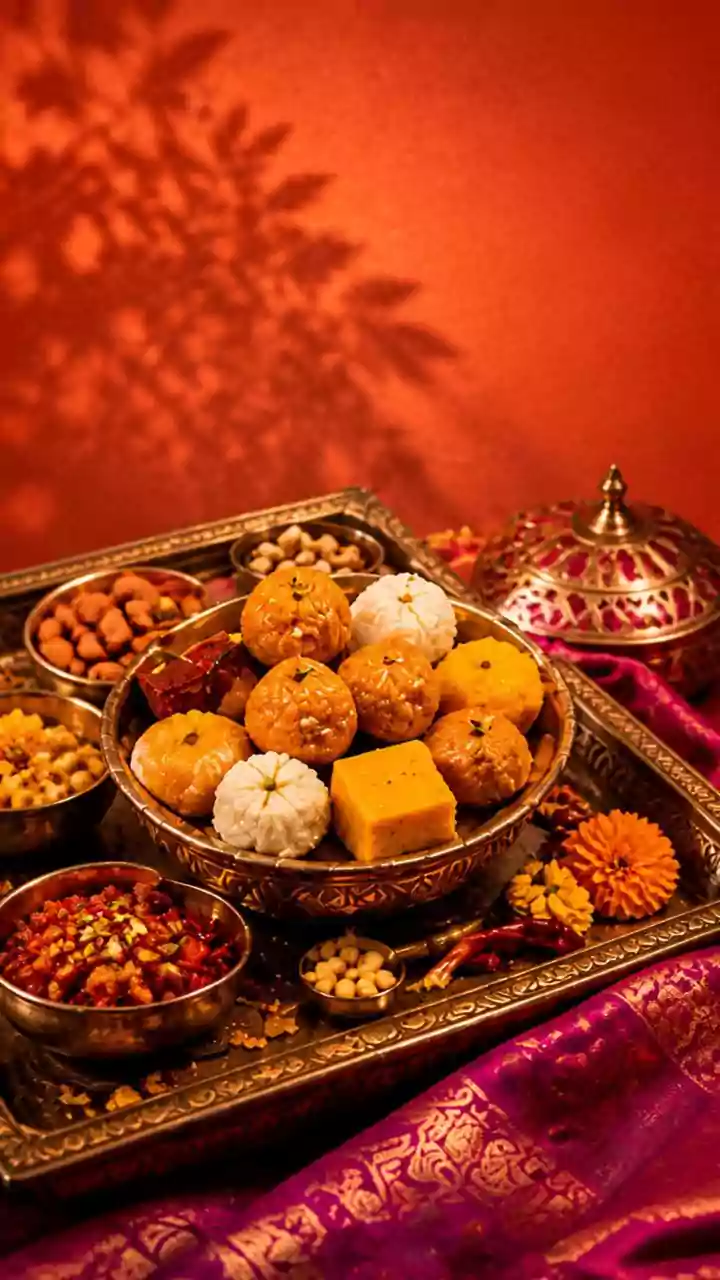
For a touch of elegance and a different flavour profile, include a nut_based sweet. Kaju Katli, the diamond_shaped cashew fudge, is perhaps the most famous, known for its smooth, melt_in_the_mouth texture. Other wonderful options include Badam Burfi (almond fudge) or a simple dry fruit ladoo made with dates, figs, and mixed nuts. These sweets are often less heavy than their milk or flour_based counterparts and add a sophisticated crunch. Like besan sweets, many nut_based burfis can be prepared three to four days ahead of the festival, giving them time to set perfectly.
Don't Forget a Quick and Easy Bite
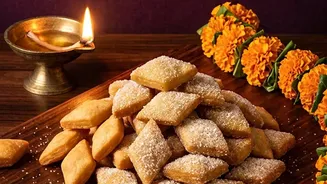
To round out your menu and add volume without adding stress, include at least one quick and easy sweet. Coconut Ladoos are a perfect example; many recipes require just a few ingredients like desiccated coconut and condensed milk and come together in under 30 minutes. Another simple option is Shakarpara, a crispy, diamond_shaped fried biscuit coated in sugar syrup. These simpler sweets are perfect for filling up gift boxes and ensuring there's always something to offer guests who drop by, and they can often be made well in advance.
Your Diwali Prep Timeline
A stress free Diwali is all about planning. Here’s a sample schedule:
One week before: This is the time to make your most shelf stable items. Prepare Besan Ladoos and any dry snacks like Chakli or Mathri.
Three to four days before: Make your nut based sweets like Kaju Katli or Badam Burfi. This gives them ample time to set and for the flavours to mature.
One to two days before: Prepare sweets that need refrigeration, like Kalakand or Peda. You can also make batters for sweets like Gulab Jamun.
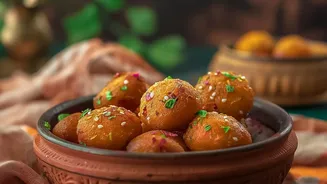
On Diwali day: Focus on the fresh items. Cook Kheer or Rabri, and fry sweets like Jalebi or Gulab Jamun for the best texture and taste.