





The Strain on Our Natural Treasures
From the snow-capped peaks of the Himalayas to the lush rainforests of the Western Ghats, India is blessed with breathtaking natural beauty. These landscapes are not just scenic backdrops for our holidays; they are vital, fragile ecosystems. However,
the surge in tourism, while economically beneficial, is placing immense strain on these popular vacation routes. Unchecked visitor growth leads to predictable problems like overcrowding and waste management challenges, but also less visible ones like groundwater depletion and habitat loss for wildlife. Many of our most beloved destinations are showing signs of wear and tear, reminding us that their preservation is not guaranteed.
A Case Study: The Fragile Himalayas
The Himalayas, a major draw for adventurers and pilgrims, are a stark example of tourism's double-edged sword. While providing livelihoods, the increasing footfall has led to an ecological crisis. Popular trekking routes and towns like Dharamshala and Shimla are grappling with mountains of plastic and other waste, with tens of thousands of metric tons accumulating annually in the region. This waste contaminates soil and pollutes the rivers that are a lifeline for millions. Furthermore, the demand for water from hotels and tourists often outstrips local supply, leading to shortages for residents and the drying up of natural springs. The construction of roads and hotels fragments forests, disrupting wildlife corridors and contributing to soil erosion in an already delicate environment.
The Western Ghats: A Biodiversity Hotspot at Risk
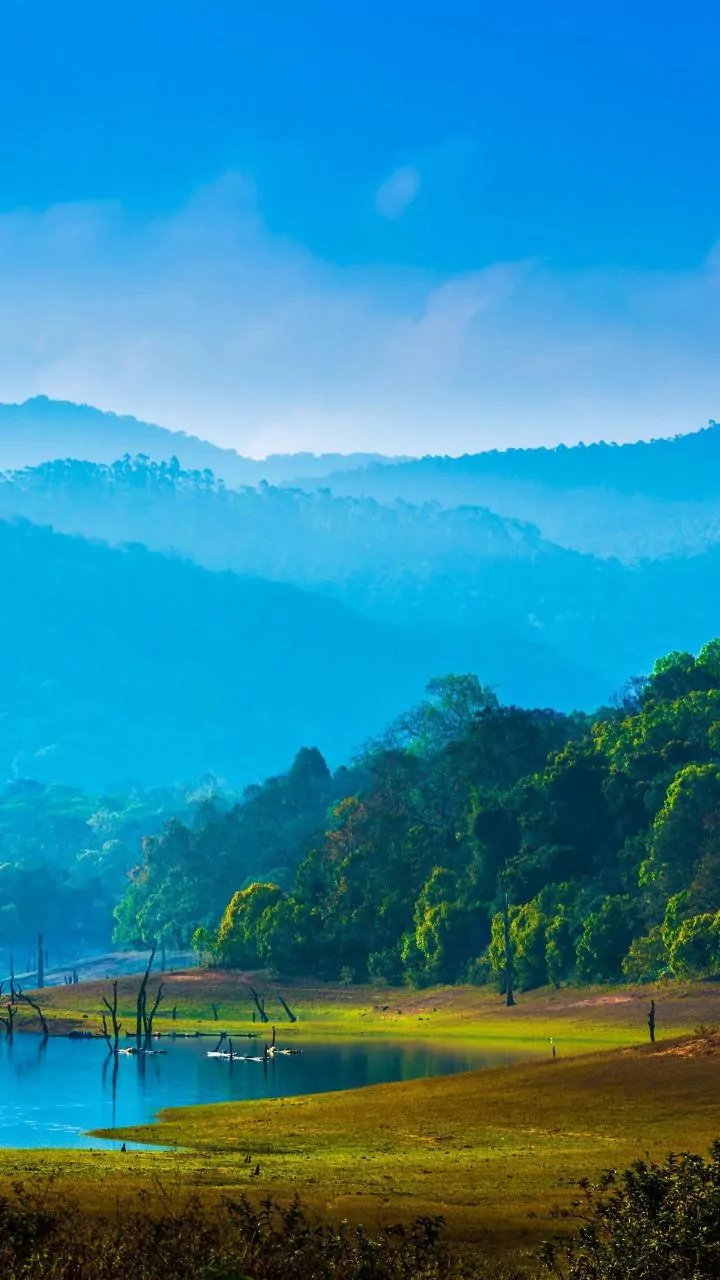
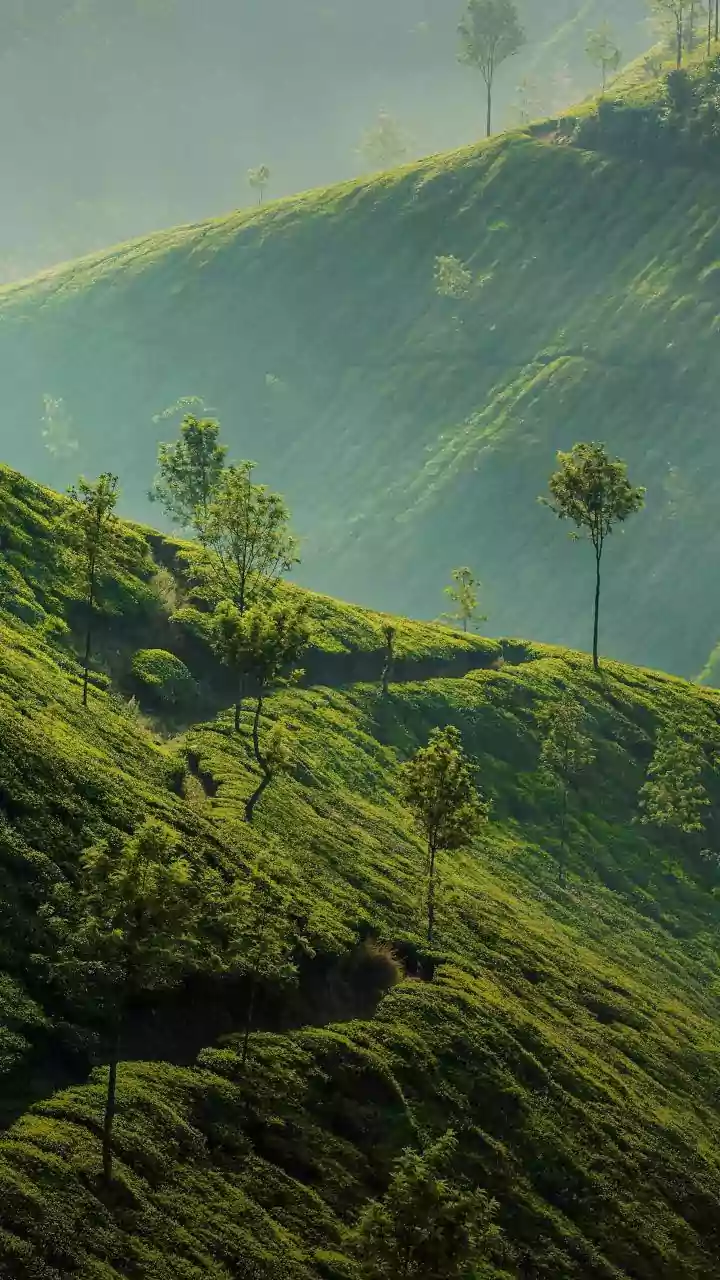
Recognised as a UNESCO World Heritage Site, the Western Ghats are one of the world's eight 'hottest hotspots' of biological diversity. This ancient mountain range is home to thousands of plant and animal species found nowhere else on Earth. Ecotourism has been championed as a way to conserve this unique environment by providing alternative livelihoods. However, for it to be successful, it must be truly responsible. The philosophy here is 'slow travel': staying longer in fewer places, walking instead of driving, and choosing accommodations that are genuinely committed to conservation. Well-run eco-lodges often employ local guides, invest in rainwater harvesting and solar power, and help protect the surrounding forests and wildlife.
Simple Habits for a Lighter Footprint
Adopting low-impact habits is easier than you might think and makes a significant difference. Start by refusing single-use plastics; carry a reusable water bottle and a cloth bag for shopping. India's railway network offers an excellent, lower-carbon alternative to flying for many routes. When choosing where to stay, opt for locally-owned homestays or certified eco-lodges. These smaller establishments often provide a more authentic experience and ensure that your money directly supports the local community. Similarly, eating at local restaurants and buying handicrafts directly from artisans helps preserve culture and reduces the carbon footprint associated with mass-produced goods.
Respecting Wildlife and Local Culture
Low-impact travel extends beyond environmental habits to cultural respect. When trekking, always stay on marked trails to prevent soil erosion and disturbance to vegetation. In wildlife sanctuaries, maintain a respectful distance from animals and never feed them. It's crucial to research wildlife experiences to ensure operators follow strict ethical guidelines. In local communities, be mindful of customs, dress appropriately, especially when visiting religious sites, and always ask for permission before taking photographs of people. Hiring local guides not only enriches your experience with their knowledge but also provides valuable employment and empowers them as stewards of their environment.