
An Earthy Art from the Kutch
Lippan Kam, which translates to 'mud-washing work', is a traditional mural art form originating from the Kutch region of Gujarat. Practiced for centuries, primarily by women of pastoral communities like the Rabari and Mutwa, it was a way to decorate their
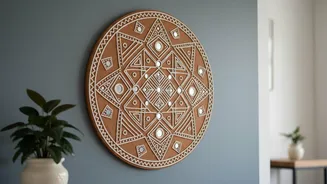
circular mud huts, or 'bhungas'. The process was rooted in the local landscape: a mixture of clay and camel or donkey dung was plastered onto the walls, and while still wet, intricate designs were handcrafted and embellished with small mirrors, known as 'aabhla'. These shimmering patterns, often depicting peacocks, camels, trees, and geometric motifs, did more than just beautify; they also helped to keep the homes cool and were believed to reflect light and positive energy. Traditionally, this art wasn't a commercial product but an integral part of community life and festive rituals.
From Village Walls to Urban Walls
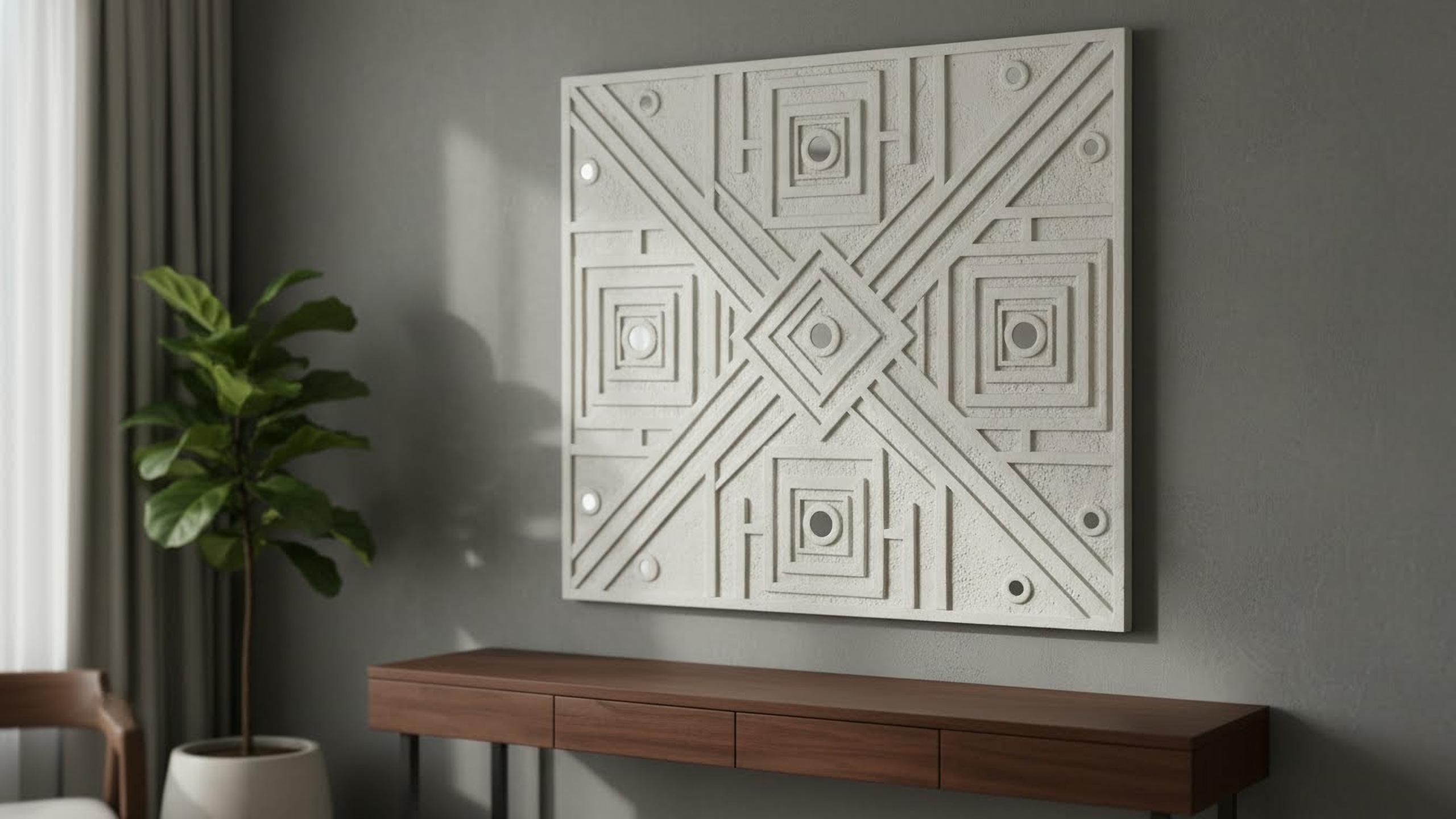
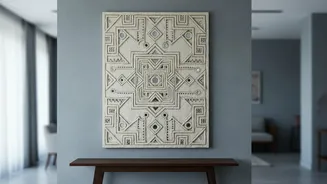
In recent years, Lippan Kam has journeyed far from its origins, capturing the imagination of urban homeowners, interior designers, and art enthusiasts across India. This revival is part of a larger trend towards embracing sustainable, handcrafted, and culturally rich decor. In a world of mass-produced goods, the uniqueness of a handmade piece tells a story, connecting modern living spaces to a rich heritage. The visual appeal of Lippan art—its tactile, three-dimensional texture combined with the glittering mirrors—makes it a striking focal point in contemporary interiors. The rise of social media platforms like Instagram and Pinterest has also played a significant role, showcasing the craft's versatility and inspiring a new generation to appreciate and incorporate it into their homes. Furthermore, initiatives like the Rann Utsav in Gujarat have boosted tourism, giving artisans a wider platform and creating new livelihood opportunities.
Tradition Meets Contemporary Taste
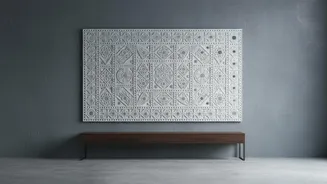
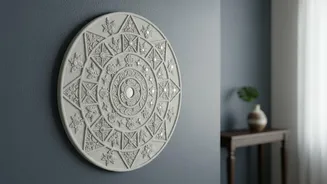
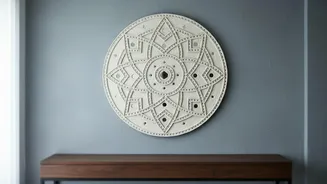
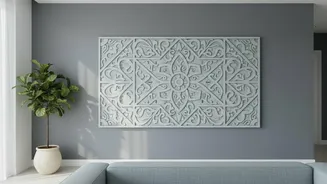
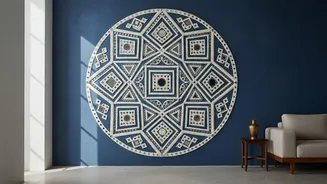
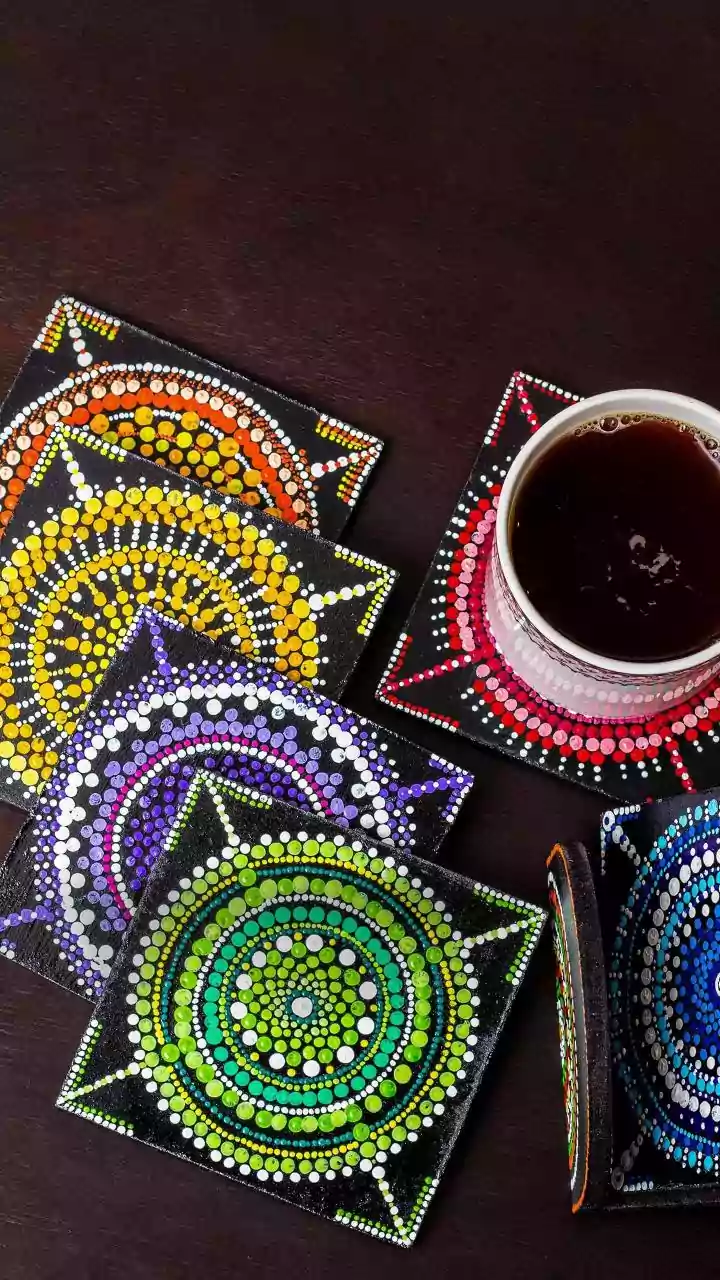
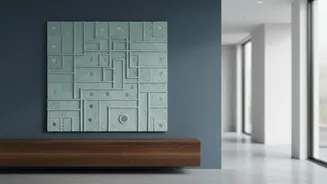
The Lippan art gracing city apartments today has gracefully adapted to its new environment. While the soul of the craft remains, the materials have evolved for durability and convenience. Instead of being sculpted directly onto mud walls, modern Lippan art is often created on MDF boards or plywood, making it portable and easy to hang as a piece of wall art. Artists now frequently use air-dry clay or ceramic powder mixed with adhesives in place of the traditional dung and mud mixture. This has also opened up the art form to a wider audience through DIY kits and workshops in cities like Delhi, allowing people to create their own pieces. While the classic white finish remains popular, some contemporary versions incorporate vibrant colours, fitting seamlessly into diverse decor styles from bohemian to minimalist. The craft is no longer limited to wall panels, appearing on nameplates, furniture, and even fashion accessories.
A Statement of Identity and Sustainability
Choosing to display Lippan art is more than an aesthetic decision; it's a celebration of Indian craftsmanship and a nod to sustainable living. The original art form was inherently eco-friendly, using locally sourced, natural materials. Today's revival continues this spirit, as consumers increasingly seek decor that is both beautiful and conscious. By bringing this art into their homes, people are not just decorating a wall; they are supporting artisan communities and helping to preserve a centuries-old tradition that might have otherwise faded. Each piece, with its handcrafted imperfections, stands in contrast to factory-made uniformity, adding character and a sense of cultural identity to a space. It represents a beautiful bridge between India's rich past and its modern, global present, proving that tradition can evolve without losing its essence.