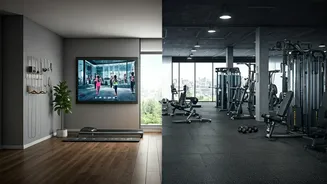









What is Hybrid Fitness?
Imagine this: you do a high-intensity interval training (HIIT) session at home via a live-streamed class on Tuesday, a quick yoga flow using an app on Thursday morning, and then hit the gym on Saturday for a heavy lifting session with a trainer. That,
in essence, is hybrid fitness. It’s not a specific type of exercise, but a model of engagement that blends digital, at-home workouts with traditional, in-person gym or studio sessions. The pandemic accelerated the adoption of virtual fitness, with a massive surge in demand for online yoga and cardio classes. Now, as life has returned to a new normal, people want to keep the convenience of digital while getting back the benefits of a physical space.
The Ultimate Flexibility for a Hectic Life
The primary appeal of the hybrid model is its incredible flexibility. For a young professional in a city like Mumbai, Bengaluru, or Delhi, a rigid daily gym schedule is often impractical. Unpredictable work hours, social obligations, and the sheer exhaustion of navigating city traffic can derail the best intentions. A hybrid membership solves this by removing the 'all or nothing' pressure. If you're stuck in a late meeting, you can join a virtual class from your living room instead of skipping your workout entirely. This model empowers you to fit exercise into your life, not the other way around, which is a powerful shift for those juggling demanding schedules.
The Best of Both Worlds
The hybrid approach offers a powerful combination of benefits. At-home workouts provide unmatched convenience, privacy, and time-efficiency. You can save on commute time and exercise in a comfortable environment. However, exclusive home workouts can sometimes lack motivation, access to heavy equipment, and the expert correction that prevents injuries. This is where the in-person component shines. Going to a physical gym provides access to a wider range of equipment, specialised classes like Pilates or MMA, and the invaluable guidance of certified trainers. Furthermore, the gym serves as a 'third space'—a place between home and work for social connection and community, which has become increasingly important.
Why It's Resonating in India Now
The adoption of this model in India is no accident. The post-pandemic era has left young Indians more health-conscious and digitally savvy than ever. A 2020 survey revealed that consumers aged 25-34 were the most willing to adopt digital fitness solutions. This tech-friendly generation, armed with smartphones and wearable tech that tracks everything from steps to heart rate variability, expects a seamless integration of digital and physical services. Gyms and fitness platforms are responding. Major players like Cult.fit and platforms like FITPASS are already offering memberships that provide access to both a network of physical gyms and a library of digital content, catering directly to this demand for a blended solution.
How to Make Hybrid Fitness Work for You
Getting started with a hybrid routine is about finding the right balance for your goals and lifestyle. Look for gyms that offer flexible or hybrid membership tiers. Many now provide options that include a certain number of in-person visits per month alongside full access to their digital platform. Plan your week: schedule 2-3 shorter home workouts on your busiest days and reserve 1-2 longer, more intensive sessions for the gym on weekends or lighter workdays. Use your gym time to focus on activities you can't do at home, like heavy lifting, using specialised machines, or attending a group class that motivates you. This strategic approach ensures you get comprehensive fitness benefits—improving both strength and cardiovascular health—in the most efficient way possible.