





Why the Rains Demand Caution
While the monsoon offers respite from the heat, it also brings a surge in health risks. The high humidity and moisture create an ideal breeding ground for bacteria, viruses, and fungi. Water sources can become contaminated, increasing the chances of waterborne
diseases like typhoid, jaundice, and gastroenteritis. Ayurvedic wisdom also suggests that our digestive fire, or 'agni', is weaker during this season, making us more susceptible to indigestion and illness. This combination of factors means that food safety isn't just a precaution; it's a necessity for staying healthy.
Embrace Warm, Home-Cooked Meals
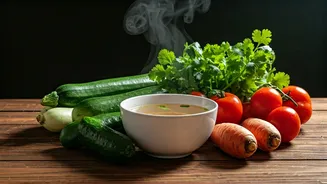
The single most effective way to stay safe is to prioritize warm, freshly prepared food. Cooking food at high temperatures kills most harmful germs. This is the season to indulge in comforting bowls of dal, warm vegetable soups, and freshly made khichdi. These light, easily digestible meals are gentle on a sluggish digestive system. Ayurveda strongly recommends avoiding raw foods like salads, as they can harbour germs, and opting for steamed or boiled vegetables instead. If you must have salad, consider steaming the vegetables lightly before consumption.
Choose Your Produce Wisely
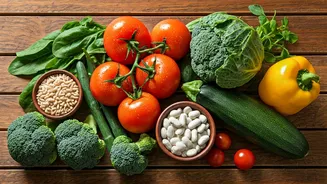
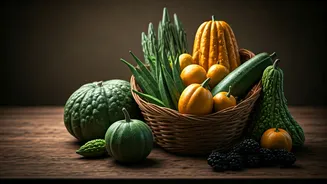
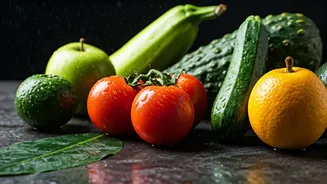
Not all fruits and vegetables are equal during the monsoon. Leafy greens like spinach and cabbage, though usually healthy, can be risky. The grime and moisture trapped in their leaves can host bacteria. It's safer to opt for seasonal gourds like lauki (bottle gourd) and karela (bitter gourd), along with other vegetables like okra and beans. When it comes to fruits, choose those with thick, inedible peels. Seasonal options like pomegranates, pears, and apples are excellent choices. Always wash all produce thoroughly with clean water before cutting or cooking.
Harness the Power of Spices
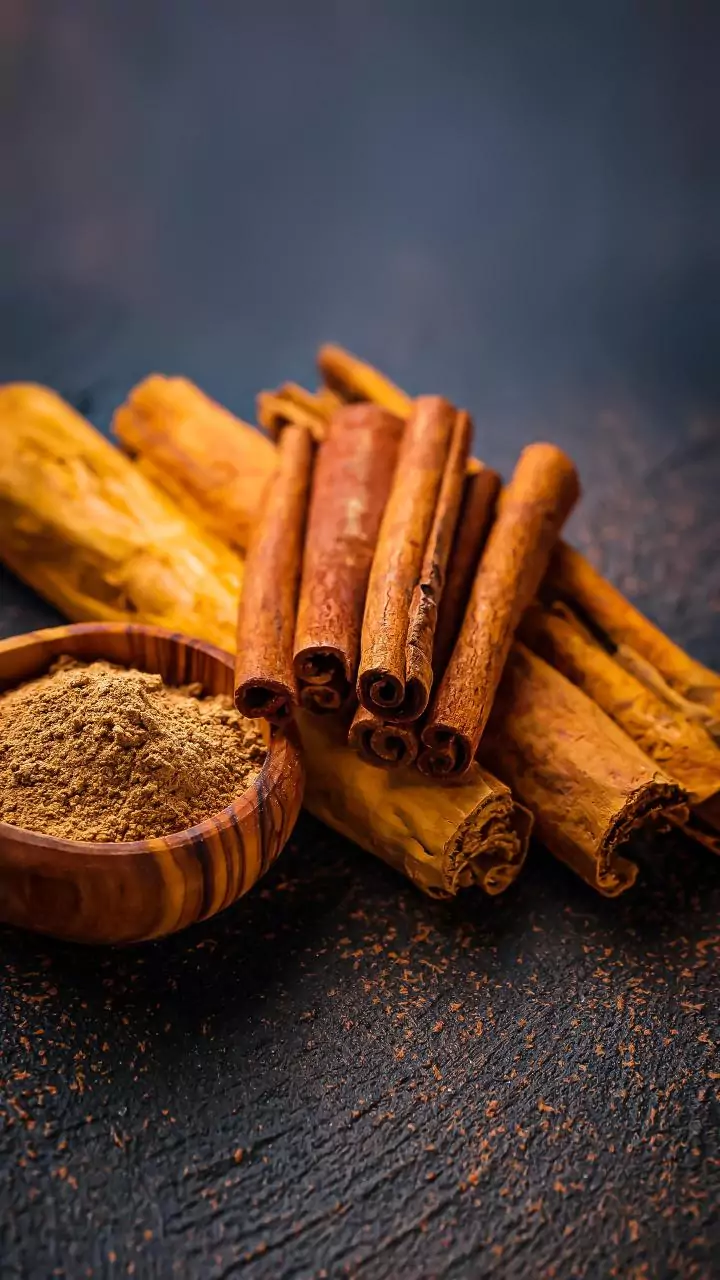
The Indian spice box is a powerful arsenal for monsoon wellness. Many traditional spices have potent antibacterial, antiviral, and anti-inflammatory properties that can help boost your immunity. Ginger is excellent for soothing sore throats and aiding digestion. Turmeric, with its active compound curcumin, is a well-known immunity booster. Garlic has strong antimicrobial properties that can help fight off infections. Incorporating spices like black pepper, cinnamon, and cloves into your daily cooking not only adds flavour but also provides a layer of protection.
Navigate Street Food with Extreme Care
The craving for a hot samosa or a plate of pani puri is strongest when it rains, but this is also when street food is at its riskiest. The use of unpurified water, exposure to flies, and rapid bacterial growth on raw chutneys and pre-cut vegetables make most street snacks a gamble. Pani puri, in particular, is a high-risk item due to the unboiled water. If you must indulge, choose vendors who maintain high standards of hygiene and always opt for items that are cooked fresh in front of you and served piping hot. It's much safer to try and replicate your favourite street food snacks at home.
Stay Hydrated, the Smart Way
Staying hydrated is crucial, but the source of your water matters more than ever during the monsoon. To avoid waterborne diseases, drink only boiled, filtered, or purified water. Be wary of juices and drinks from roadside stalls, as the water and ice used may be contaminated. Instead, stick to warm beverages like herbal teas. A simple tea made with ginger, tulsi, and a dash of honey can be both soothing and beneficial for your immunity. Probiotic-rich drinks like buttermilk (lassi) can be consumed during the day, but avoid curd at night as per Ayurvedic recommendations.