
The Magic of Post-Monsoon Light
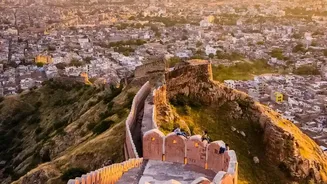
For any photographer, light is the most critical tool. After months of monsoon rain, the skies over Rajasthan in October are often clear and the air is free of the dust that can create harsh haze during other times of the year. This results in a softer,
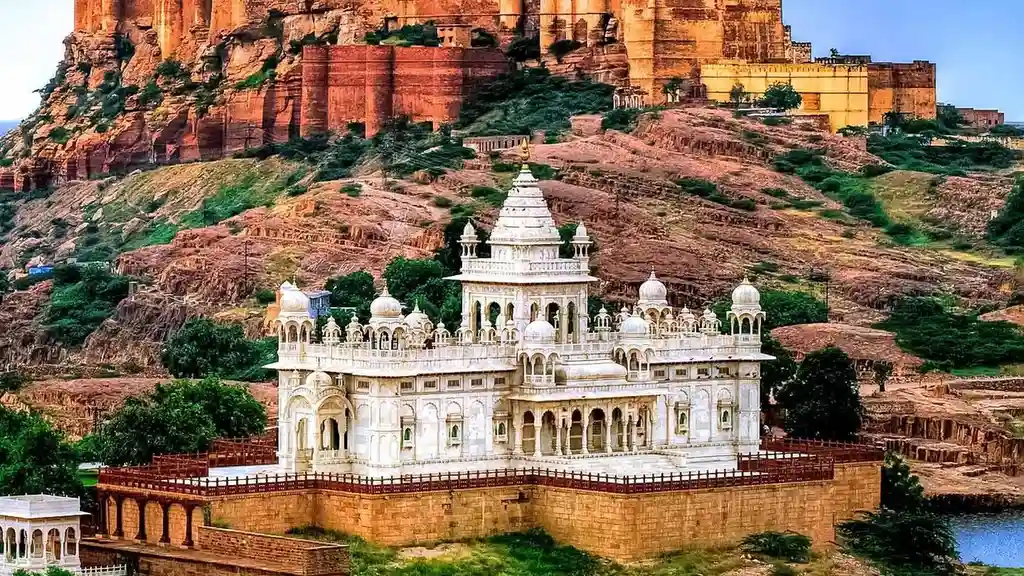
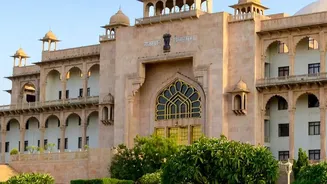
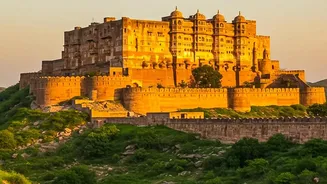
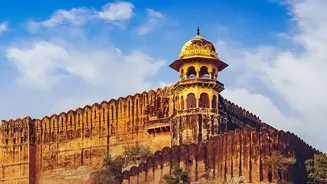
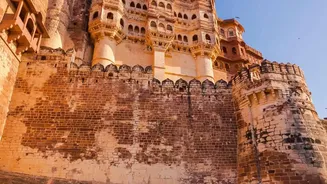
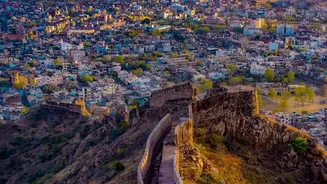
more golden quality of light, especially during the coveted 'golden hours' of early morning and late afternoon. This diffused light bathes the intricate sandstone facades of palaces in Jaipur, Jodhpur, and Jaisalmer in a warm glow, bringing out their textures and rich colours without the harsh shadows of the summer sun. The clear skies also create stunning sunsets, providing a dramatic backdrop against the silhouettes of forts like Nahargarh in Jaipur or Mehrangarh in Jodhpur.
A Land Washed Clean and Green
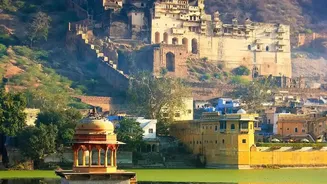
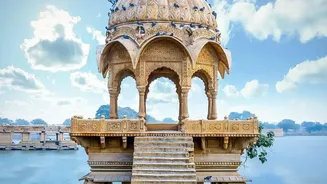
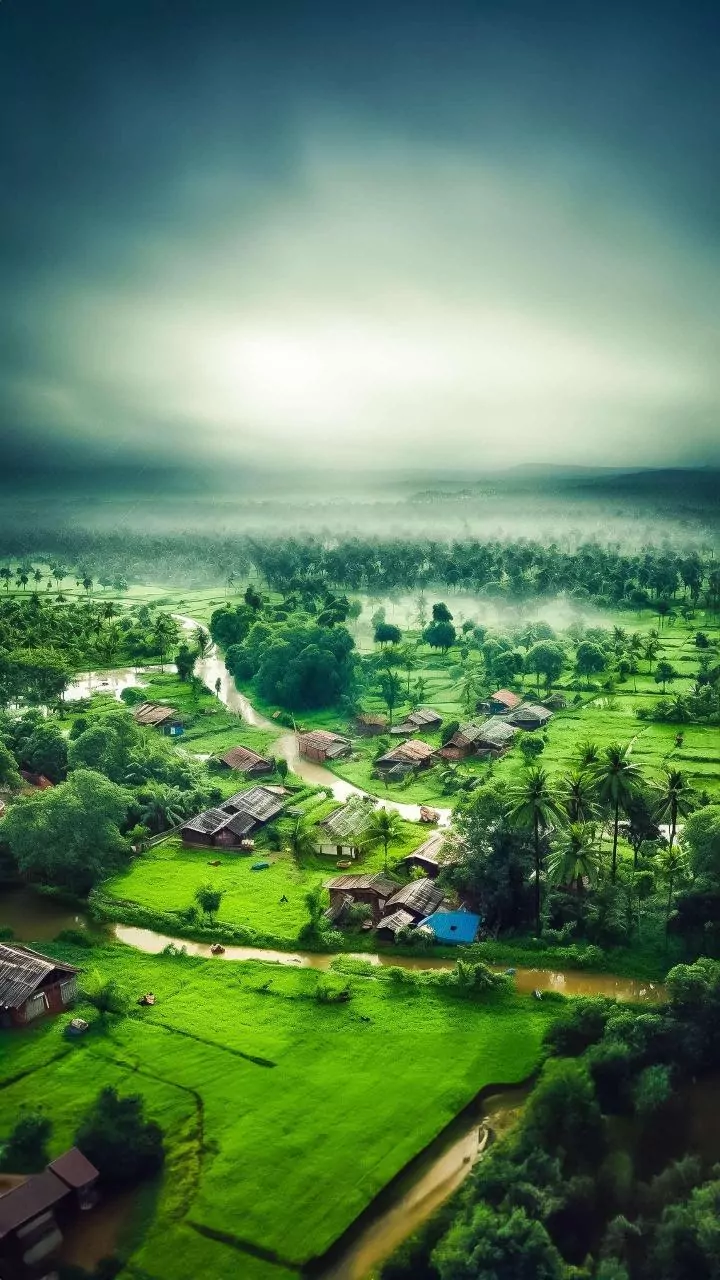
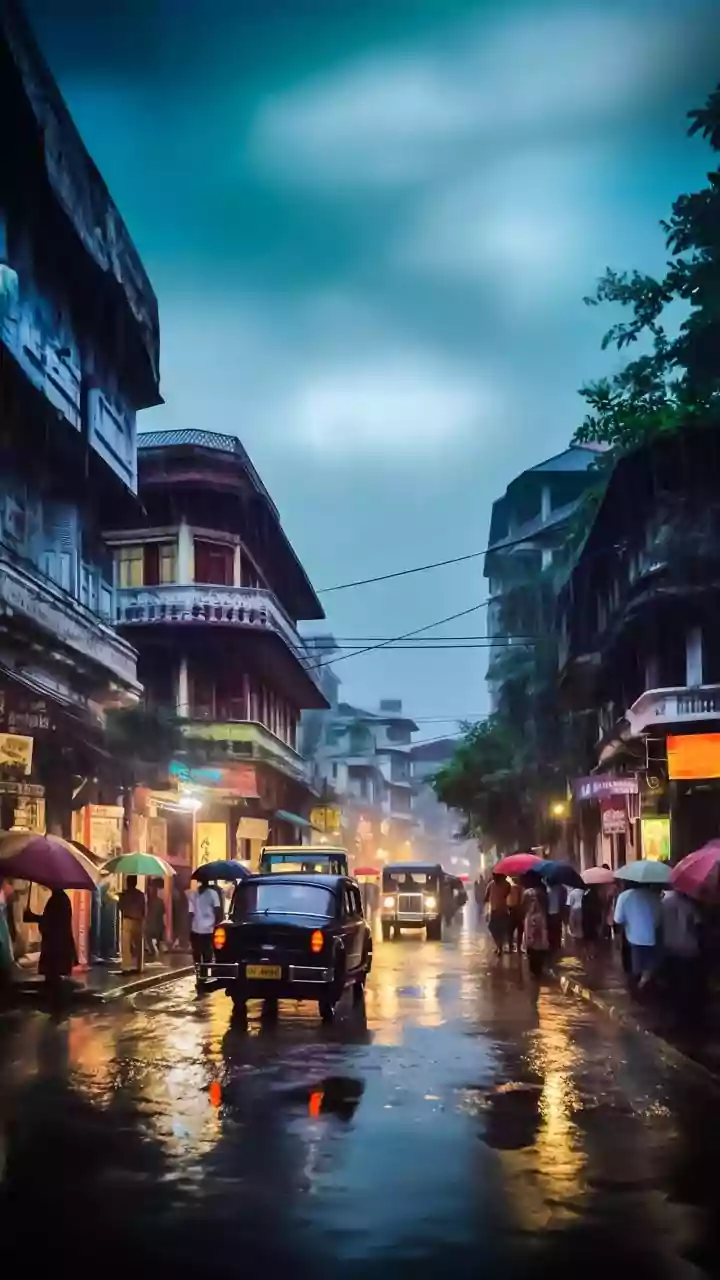
While famous for its deserts, Rajasthan undergoes a dramatic transformation after the monsoon. The rains leave the landscape surprisingly lush and green, a vibrant contrast to the typical arid imagery. This is particularly striking in areas like Udaipur, where the Aravalli Hills surrounding the City of Lakes become verdant, offering a rich backdrop to the white marble palaces. The lakes and stepwells, such as Panna Meena Ka Kund near Amber Fort, are replenished, providing opportunities for stunning reflection shots. This post-monsoon freshness means less dust and clearer vistas, allowing photographers to capture the grand scale of forts and palaces against a rejuvenated natural setting.
Pleasant Weather for All-Day Exploration
The punishing heat of the Rajasthani summer makes extensive outdoor photography a challenge. October, however, marks the beginning of the most pleasant weather season. With daytime temperatures typically ranging from a comfortable 25°C to 35°C, photographers can spend entire days exploring sprawling complexes like Amber Fort or the City Palaces of Udaipur and Jaipur without facing extreme heat. The cooler evenings and pleasant mornings are ideal for setting up early shots or lingering for the perfect sunset frame. This comfortable climate allows for more patience and flexibility, crucial elements for capturing the perfect architectural detail or candid street scene.
Fewer Crowds, Cleaner Frames
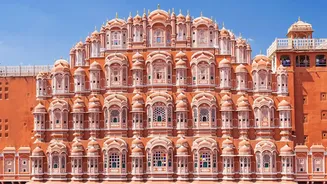
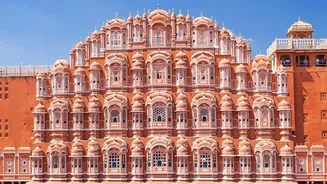
October is considered a 'shoulder season' in Rajasthan. It marks the start of the tourist season, but the peak crowds of December and January have not yet arrived. For photographers, this is a significant advantage. It means fewer people obstructing a perfect shot of Hawa Mahal's facade or crowding the narrow blue lanes of Jodhpur. You have a better chance of capturing the serene, timeless atmosphere of these historical sites without the constant flow of tourist traffic. This early-season window allows for cleaner, more impactful compositions that focus purely on the architecture and its interplay with light.
A Season of Vibrant Festivities
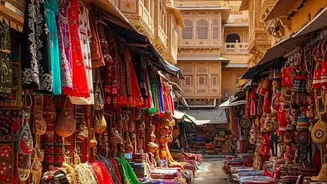
October in India is a month of major festivals, and Rajasthan is no exception. Depending on the lunar calendar, the state often comes alive with the celebrations of Navratri and Dussehra. These festivals fill the streets with colour, music, and processions, offering a wealth of opportunities for vibrant cultural photography. In Jodhpur, the Marwar Festival and the Rajasthan International Folk Festival are often held in October, celebrating the region's rich artistic heritage against the backdrop of Mehrangarh Fort. These events provide a chance to not only photograph the static beauty of the palaces but also the dynamic, living culture that surrounds them.