




Why Your Body Needs Fibre
Before we dive into the 'what', let's quickly cover the 'why'. Dietary fibre is a type of carbohydrate that our bodies can't digest. It plays a crucial role in maintaining good health. Soluble fibre, which dissolves in water, helps manage blood sugar
and cholesterol levels. Insoluble fibre adds bulk to stool, aiding digestion and preventing constipation. A high-fibre diet is linked to a lower risk of several chronic conditions, including heart disease and type 2 diabetes, and is essential for weight management because it helps you feel full for longer. The National Institute of Nutrition (ICMR) recommends that Indian adults consume about 25 to 40 grams of fibre daily, a target that many urban diets, heavy on refined grains, currently miss.
The Power of Pulses and Legumes
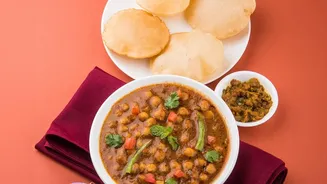
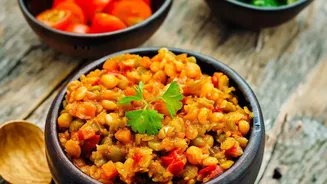
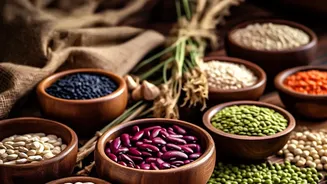
Lentils (dals) and legumes (like chickpeas and kidney beans) are the backbone of Indian cuisine and are incredibly rich in fibre. A single cup of cooked dal can provide a significant portion of your daily fibre needs. Chickpeas (chana) and kidney beans (rajma) are fibre champions, with a typical serving of chana or rajma offering over 12 grams of fibre. These ingredients are also packed with protein, creating a powerful combination that enhances satiety and helps stabilize blood sugar. The simple act of including a katori of dal, chana, or rajma with your main meals is one of the easiest and most effective ways to boost your fibre intake.
Embrace Traditional Whole Grains
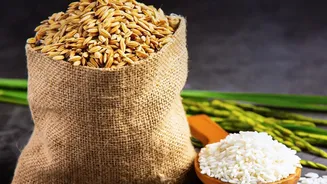
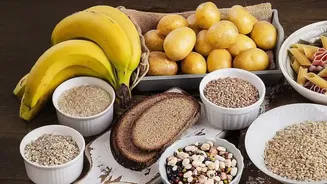
While whole wheat atta is a good everyday source of fibre, India's diverse grain heritage offers even better options. Millets such as bajra (pearl millet), ragi (finger millet), and jowar (sorghum) are nutritional powerhouses. Bajra leads the pack with about 11.5 grams of fibre per 100 grams, followed closely by ragi. Swapping refined white rice for these traditional grains or even for brown rice can make a huge difference. You don't have to give up your favourite dishes; simply make smarter swaps. Try making rotis from bajra or jowar flour, or prepare a breakfast porridge with ragi. These grains are not only high in fibre but are also rich in essential minerals.
Fill Your Plate with Local Vegetables
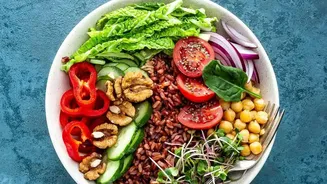
Our local sabzi mandis are overflowing with high-fibre options. Vegetables like bhindi (okra), guar (cluster beans), leafy greens like palak (spinach) and methi (fenugreek), and various gourds are excellent sources. Bhindi is particularly notable for its soluble fibre content. Sweet potatoes and beetroots also contribute a healthy dose of fibre. The key is to fill at least half your plate with vegetables at every meal. Including a simple kachumbar salad (cucumber, tomato, onion) with your lunch and dinner is another easy win. Where possible, eat vegetables and fruits with their skins on, as a significant amount of the fibre is located there.
Don't Forget Fruits, Nuts, and Seeds
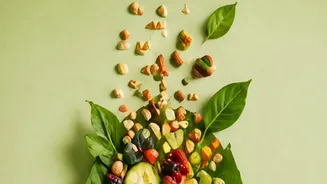
Fruits are a delicious way to get more fibre. Guava, eaten with its skin, is one of the best local sources. Pears, apples, and bananas are also excellent choices that are widely available. For a concentrated fibre boost, turn to nuts and seeds. A small handful of almonds and walnuts can be a great fibre-rich snack. Seeds, though tiny, are mighty. Flaxseeds (alsi) and chia seeds (sabja) can be easily added to curd, smoothies, or sprinkled over your breakfast. Just one tablespoon of chia seeds or ground flaxseed can add a substantial amount of fibre to your day.