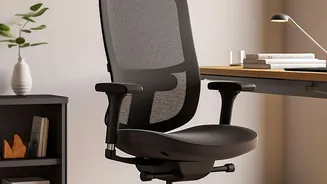







The Myth of a Single 'Perfect' Posture
Many of us have an image of the ideal office posture ingrained in our minds: back straight, feet flat on the floor, and arms bent at a right angle. While well-intentioned, this rigid model is being challenged by experts. The human body is designed for
movement, not for holding a static position for hours on end. The strain of maintaining any single posture, even a theoretically 'good' one, can lead to muscle fatigue, reduced blood flow, and discomfort in the neck, back, and shoulders. In fact, the modern focus has shifted from finding one perfect position to encouraging a dynamic workday that incorporates regular changes in posture. The phrase gaining traction among ergonomists and physiotherapists is simple: “The next posture is the best posture.”
Why Being Still Is the Real Enemy
Staying in one position for too long, known as static loading, is a primary cause of work-related musculoskeletal issues. When you sit or stand still for extended periods, your muscles are under constant tension to counteract gravity. This inhibits blood flow, preventing oxygen and nutrients from reaching the muscles while allowing waste products to build up. The result is stiffness, soreness, and fatigue. Prolonged sitting, in particular, is associated with a host of health problems, including a weakened core, tight hip flexors, and increased risk of chronic conditions. Similarly, standing all day without breaks can cause blood to pool in the legs, leading to pain and swelling. The key takeaway from numerous studies is that the duration of a posture is often more problematic than the posture itself.
Embracing 'Dynamic Sitting' and Movement
The antidote to static posture is a concept called “dynamic sitting” or creating a “dynamic workstation.” This approach encourages small, frequent movements and position changes throughout the day. The goal is to keep your body active, your muscles engaged, and your circulation flowing. This doesn't necessarily mean you need to be constantly fidgeting, but rather consciously breaking up long periods of stillness. Research shows that even short 'microbreaks' of 30 to 60 seconds every half hour can significantly reduce muscle fatigue and strain. Alternating between sitting and standing, if you have an adjustable desk, is an excellent way to practice this. But even without one, you can introduce more dynamism by simply shifting your weight, stretching, or adjusting your chair's settings.
Practical Ways to Keep Moving at Your Desk
Incorporating more movement into your workday doesn't require a major overhaul. Small, consistent habits make the biggest difference. A common recommendation is to change your position every 30 to 60 minutes. Set a simple timer to remind you to stand up, stretch, or walk around for a minute or two. Use phone calls as an opportunity to stand or pace. Simple desk stretches, like shoulder rolls, neck tilts, and gentle spinal twists, can relieve tension before it builds up. Pay attention to your body's signals; if you feel an ache or stiffness, that's your cue to move. Don't worry about finding another 'perfect' position. Simply shift to the next comfortable one, whether that’s leaning back in your chair for a few minutes, perching on the edge, or standing up completely.