





The Anatomy of a Squeeze
For the millions who depend on India's vibrant restaurant industry, from small dhabas to fine-dining establishments, the business has always been one of tight margins. A well-run casual dining spot might only take home 8-12% of its revenue as net profit.
But a relentless wave of cost increases across the board is now threatening to shrink those margins to unsustainable levels. The issue isn't a single problem but a multi-front battle against inflation in nearly every part of the operation, forcing owners into a corner where they must either absorb losses or pass the burden onto customers.
The Rising Cost of the Thali
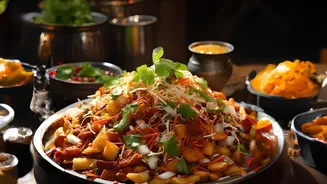
The most significant pressure point is the price of raw ingredients. Food costs typically represent 30-40% of a restaurant's total revenue. Recent data from August 2026 showed food inflation running high, with staples like onions, ginger, and cooking oils seeing sharp year-on-year price hikes. Items like meat and eggs have also recorded significant inflation. This isn't just a seasonal blip; factors like weaker monsoon rains, global conflicts affecting commodity prices, and strong export demand are creating persistent price pressure on the very foundation of every dish a restaurant serves.
Pressure Beyond the Plate
The squeeze extends far beyond the kitchen. The price of commercial LPG, the lifeblood of most Indian restaurant kitchens, has seen steep increases, adding a significant operational burden. For many establishments, energy can account for a substantial portion of operating expenses, and these hikes directly eat into profits. Simultaneously, commercial rents in prime urban areas remain a major challenge. Rent that exceeds 15% of revenue is often cited as a key predictor of restaurant failure, and competition for good locations keeps these costs stubbornly high. Adding to this, a new 0.4% charge on certain UPI transactions over ₹2,000, which came into effect in October, presents another hit to the bottom line for businesses where digital payments are dominant.
The Human Element and Delivery Dilemma
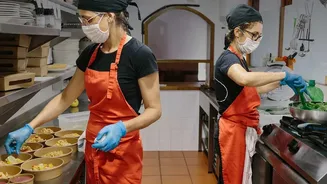
Labour is another piece of the puzzle. The hospitality sector is known for high staff attrition, with employees often switching jobs for small pay increases. The need to offer competitive wages to retain skilled staff adds to the growing list of expenses. Furthermore, the boom in online food delivery has introduced a new, complex cost: aggregator commissions. Platforms like Swiggy and Zomato can charge commissions of 25-30% on each order. While these services expand a restaurant's reach, they can turn a profitable dine-in order into a loss-making delivery, with some estimates suggesting a 4-8% loss in margin for delivery-heavy businesses.
Fighting for Survival
Restaurateurs are not standing still. Many are fighting back with a mix of creativity and pragmatism. Strategies include carefully re-engineering menus to focus on higher-margin items, reducing food waste through better inventory management, and cutting operating hours. Some are exploring cash payment incentives to offset digital transaction fees, while others are investing in technology like advanced Point of Sale (POS) systems that provide data to make smarter cost-cutting decisions. For some, this has even prompted a move toward more energy-efficient equipment or alternative cooking methods to reduce reliance on costly LPG. These adaptations are a testament to the industry's resilience in the face of mounting economic headwinds.