






As temperatures drop, do you notice your skin feeling tight, itchy, or flaky? You're not alone. This seasonal shift is a common complaint, but understanding why it happens is the first step toward keeping your skin comfortable and healthy all winter.
The Science of Winter Air and Your Skin
The primary culprit behind winter skin discomfort is a dramatic drop in humidity. Cold air simply cannot hold as much moisture as warm air. When you step outside, the dry, brisk air actively pulls moisture away from your skin's surface. This process, known as transepidermal water loss (TEWL), is significantly accelerated in low-humidity conditions. But the problem doesn't stop at your doorstep. Indoors, central heating systems circulate warm, dry air, further reducing humidity and creating an environment that continually saps moisture from your skin. This constant cycle between cold, dry outdoor air and warm, dry indoor air is a perfect storm for skin dehydration.
Understanding Your Skin's Protective Barrier
Your skin has a natural defense system called the skin barrier, or stratum corneum. Think of it as a brick wall: the skin cells are the 'bricks', and a complex mixture of lipids—like ceramides and fatty acids—acts as the 'mortar' holding it all together. This barrier has two critical jobs: keeping moisture in and keeping irritants out. Winter conditions wage a direct assault on this mortar. The low humidity weakens the lipid structure, causing microscopic cracks to form. A compromised barrier can no longer effectively hold onto water, leading to the familiar symptoms of dryness, flakiness, redness, and a tight, uncomfortable feeling. It also becomes more vulnerable to environmental irritants, which can lead to increased sensitivity and stinging.
Re-evaluate Your Cleansing Routine
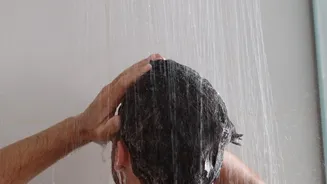
The first step in combating winter dryness starts at the sink. While a long, hot shower might feel comforting on a cold day, it's one of the worst things for dry skin. Hot water strips away the natural oils that make up your skin barrier, worsening dryness. Instead, opt for lukewarm water and keep showers under 10 minutes. It's also crucial to switch to a gentle, hydrating cleanser. Avoid harsh foaming soaps or products with alcohol, as these can further strip the skin. Look for cream-based, fragrance-free formulas that are specifically designed for dry or sensitive skin.
Moisturise Smarter, Not Harder
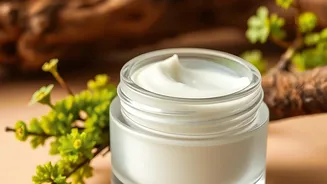
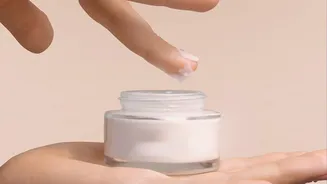
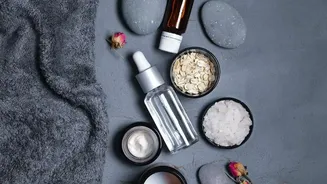
Moisturising is non-negotiable in winter, but the type of product you use matters. For optimal results, apply a thick moisturizer to slightly damp skin immediately after bathing to lock in hydration. Winter calls for richer creams and ointments, which are more effective than thin lotions. Look for products containing a combination of key ingredients: Humectants like hyaluronic acid and glycerin draw moisture into the skin. Emollients such as shea butter and squalane help to smooth and soften the skin's surface. And finally, ingredients like ceramides are crucial for rebuilding and repairing the 'mortar' of your skin barrier itself, strengthening it from within. For very dry or cracked areas, an occlusive ointment containing petrolatum can create a powerful seal to prevent moisture loss.
Protect Your Body, Hands, and Lips
Facial skin often gets the most attention, but don't forget the rest of your body. Your hands are especially vulnerable due to frequent washing and exposure to the elements. Use a thick hand cream after every wash and consider wearing cotton gloves to bed after applying a heavy ointment for an intensive overnight treatment. Lips, which have very thin skin, also need extra protection. Use a nourishing lip balm regularly. When you go outside, protect your skin from windburn by wearing gloves and scarves. And don't forget sunscreen; UV rays are still present in winter and can further damage your alreadystresed skin barrier.
You can also support your skin by modifying your indoor environment. Using a humidifier in your home, especially in the bedroom, can add much needed moisture back into the air, helping to counteract the drying effects of central heating. The optimal humidity range for skin health is generally considered to be between 40% and 60%. Hydration from within is also important, so be sure to drink plenty of water throughout the day. Eating water rich foods and herbal teas can also contribute to your overall hydration levels.