


Why Native Plants Are Effortless
The core principle of a low-maintenance garden lies in choosing plants that are already perfectly suited to your environment. Native plants are species that have grown and evolved in a particular region for hundreds or thousands of years. They are genetically
programmed to thrive in your local soil, rainfall patterns, and climate conditions. This natural adaptation means they require significantly less human intervention. Unlike exotic species, they don't need constant watering, special fertilisers, or extensive pruning to flourish. They have also developed their own defences against local pests and diseases, which drastically reduces the need for chemical pesticides. By choosing native, you are essentially selecting plants that know how to take care of themselves, leaving you with more time to simply enjoy your garden.
Benefits Beyond Your Backyard
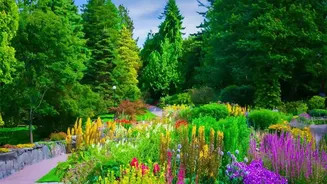
A native plant garden does more than just save you work; it creates a positive ripple effect in your local environment. These plants provide essential food and shelter for native wildlife, including birds, butterflies, bees, and other beneficial insects. By planting a variety of native species, you help create a vital habitat corridor, countering the effects of urbanisation which has fragmented natural ecosystems. Furthermore, since native plants are adapted to local rainfall, they are champions of water conservation, a crucial benefit in many parts of India. Their deep root systems are also excellent for improving soil structure and preventing erosion. Choosing native plants is a powerful way to support biodiversity and contribute to a healthier, more resilient local ecology, making your garden a small but important sanctuary.
Your Three-Step Starter Guide
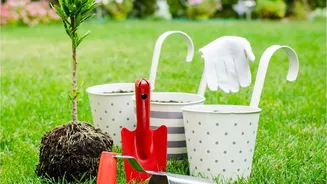
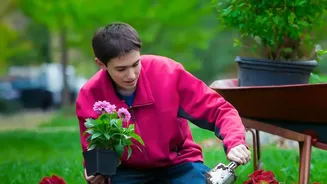
Ready to get started? Creating your own native garden is a straightforward process. First, observe your space. Before you buy a single plant, understand the specific conditions of your garden—how much sun different areas get, the type of soil you have, and how well it drains. Second, find your plants. Look for local nurseries that specialise in native species. Organisations and local conservation groups can also be excellent resources for sourcing plants and getting advice tailored to your specific area. Finally, prepare the site and plant. Clear the area of weeds and amend the soil with some organic compost to give your new plants a healthy start. While native plants are drought-tolerant once established, they will need regular, gentle watering for the first few months to help their root systems grow strong.
Five Native Stars to Consider
India's diverse climate means there is a vast palette of native plants to choose from. Here are a few popular and resilient options: Hibiscus (Gudhal): This hardy, sun-loving shrub produces large, vibrant flowers and thrives in warm regions, blooming generously with basic care. Jasmine (Mogra/Chameli): Known for its intensely fragrant white flowers, this evergreen is a staple in Indian gardens. It can be grown as a shrub or a climber and is perfect for adding perfume to your evenings. Marigold (Genda): While technically native to the Americas, Marigolds have been cultivated in India for so long they are considered part of the cultural and horticultural landscape. They are incredibly easy to grow, thrive in the heat, and their ability to repel pests makes them a great companion plant. Flame of the Forest (Palash): For those with more space, this striking tree produces brilliant orange-red flowers that light up the landscape in spring. It is extremely hardy and well-suited for dry, deciduous regions. Butterfly Pea (Aparajita): A beautiful and resilient climber, this plant produces stunning deep-blue flowers. It is extremely easy to grow, requires minimal care, and does well on trellises or as ground cover.