


Embrace Energy-Boosting Flours
Regular wheat and rice are typically avoided during Sawan fasts, but this opens the door to a variety of nutritious alternatives. Flours like rajgira (amaranth), kuttu (buckwheat), and singhara (water chestnut) are excellent choices. Rajgira, in particular,
is a powerhouse of complete protein, containing all essential amino acids, which helps maintain muscle and keeps you feeling full for longer. It's also rich in iron, calcium, and fibre. You can use these flours to make rotis, parathas, or cheelas. A simple Rajgira paratha, made by combining the flour with mashed potatoes and cooking it on a tawa with ghee, is a filling meal.
Rely on Smart Carbohydrates
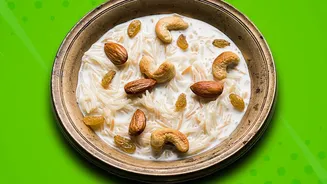
Carbohydrates are essential for energy, and during fasting, the source matters. Sabudana (tapioca pearls) is a fasting staple for a reason: it's rich in carbs and provides a quick and sustained energy boost. A well-made Sabudana Khichdi, tossed with roasted peanuts, boiled potatoes, and mild spices like cumin and green chilli, is a classic, filling meal. Another excellent option is samak rice (barnyard millet), which can be used to make pulao or kheer. Root vegetables like potatoes and sweet potatoes are also permitted and provide complex carbohydrates that release energy slowly, preventing a sudden crash. A simple sweet potato chaat or vrat-friendly aloo jeera can be both delicious and sustaining.
Power Up with Protein and Healthy Fats
Protein is crucial for preventing fatigue and muscle weakness. Dairy products like paneer, curd (yoghurt), and milk are widely consumed and offer a great source of protein and calcium. Paneer can be lightly sautéed with rock salt and black pepper, while a bowl of curd or a glass of lassi can be incredibly refreshing and nourishing. Nuts and seeds are another fantastic source of energy. Peanuts, almonds, and walnuts provide healthy fats and protein. Roasted makhana (fox nuts) are a light, crunchy snack rich in protein and calcium, perfect for beating midday hunger pangs.
Hydrate with Fruits and Fluids
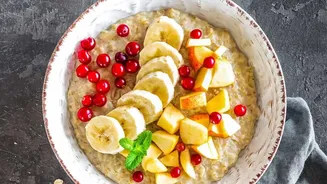
Staying hydrated is one of the most important aspects of fasting, as dehydration can quickly lead to exhaustion. Beyond drinking plenty of water, incorporating hydrating fruits is a smart move. Seasonal fruits like bananas, apples, papaya, and pomegranate provide not just water but also essential vitamins and natural sugars for an instant energy lift. A simple fruit chaat with a sprinkle of rock salt is a refreshing snack. Coconut water is another excellent choice for replenishing electrolytes. Homemade lassi and buttermilk also contribute to your fluid intake while providing the goodness of dairy.
Plan Your Meals Strategically
How you structure your meals can make a big difference. Instead of having one large meal after breaking the fast, try to have smaller, nutrient-dense meals or snacks throughout the day, if your fasting tradition allows. Start your day with a handful of soaked almonds or a banana-almond milk smoothie for a protein boost. For a main meal, a combination of kuttu ki puri with a simple aloo curry offers both carbs and flavour. For an evening snack, roasted makhana or a small bowl of fruit chaat can keep your energy levels stable. Breaking your fast with a heavy or overly fried meal can shock the digestive system, so it's best to start with something light like a fruit or a glass of milk.