




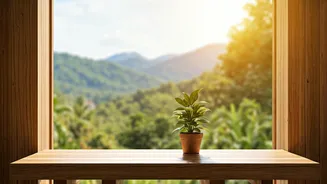



The Workspace Reimagined
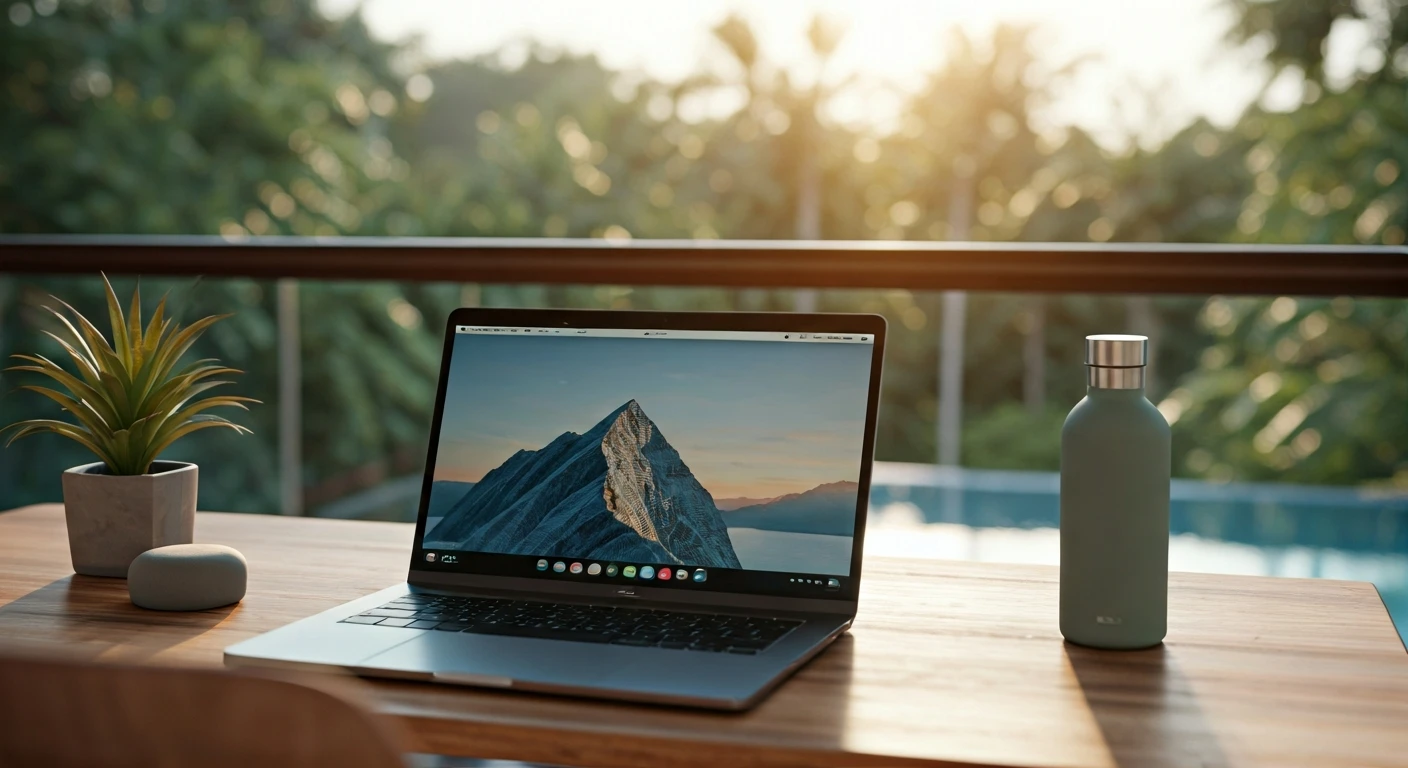
The traditional office, with its rigid structure and artificial environment, is facing a quiet revolution. As remote work and flexible schedules become the norm for professionals globally, including in India, the very definition of a 'workplace' is expanding.
At the forefront of this shift are Bali's extraordinary bamboo community hubs—spaces that do more than just house desks and Wi-Fi. They offer an entirely new philosophy of work, one that integrates productivity with well-being, community, and a deep connection to nature. These are not just buildings; they are living, breathing ecosystems designed to inspire creativity and foster collaboration in ways a conventional office simply cannot.
Why Bamboo Is The Star
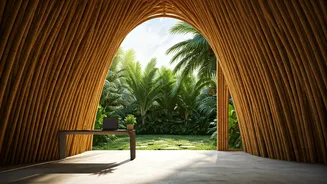
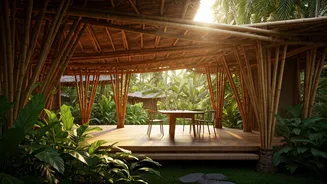
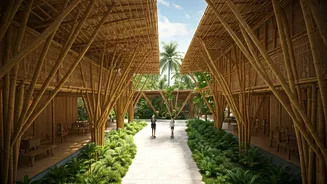
The magic of these hubs begins with their core material: bamboo. Often called 'green steel', bamboo is a marvel of sustainability. It’s one of the fastest-growing plants on Earth, reaching maturity in just a few years, compared to the decades or centuries required for traditional timber. It sequesters a significant amount of carbon dioxide and regenerates from its own root system, eliminating the need for replanting. But its benefits aren't just ecological. As a building material, bamboo is incredibly strong and flexible, allowing architects to create stunning, open-air structures with flowing, organic lines that defy the straight-edged logic of concrete and steel. These designs promote natural light and airflow, reducing the need for artificial lighting and air conditioning, and creating a healthier, more stimulating environment for the people inside.
More Than Just a Desk
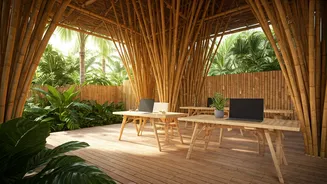
What truly sets these spaces apart is the 'community hub' aspect. They are designed to combat the isolation that can sometimes accompany remote work. Think of them as a campus for grown-ups. For instance, spaces designed by pioneers like the firm Ibuku often feature a central co-working lodge surrounded by smaller breakout pods, meeting rooms, cafes, and even wellness areas for yoga or meditation. This layout encourages serendipitous encounters and a natural exchange of ideas among a diverse group of entrepreneurs, digital nomads from around the world. The focus is on building a supportive network, fostering a sense of belonging, and creating a balanced lifestyle where work, social life, and personal wellness are seamlessly interwoven.
Pioneers of the Bamboo Movement
This vision is being brought to life by innovators in Bali. John Hardy, a Canadian jewellery designer, and his daughter Elora Hardy are central figures in this movement. Elora’s design firm, Ibuku, is world-renowned for its breathtaking bamboo architecture, including the famous Green School in Bali—an educational institution built almost entirely from bamboo. Their projects demonstrate the material's potential on a grand scale, from sprawling private villas to complex community structures. These hubs are proving that sustainable design can be both beautiful and highly functional. They serve as a powerful proof-of-concept, inspiring a new generation of architects and developers to think beyond conventional materials and embrace nature-centric design.
Is This the Future of Work?
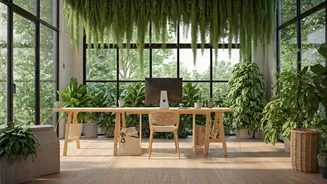
While not every company can relocate to a Balinese paradise, the principles behind these bamboo hubs hold valuable lessons for the future of work everywhere. The emphasis on biophilic design (connecting people with nature), community-building, and workplace wellness are trends that can be adapted to any environment, even in bustling Indian cities. Companies are increasingly recognising that a positive and inspiring workspace directly impacts employee satisfaction and productivity. The rise of these hubs signifies a powerful shift in priorities: from a purely functional space to an experiential one that nurtures creativity, health, and human connection. They are a compelling glimpse into a future where our workplaces actively contribute to, rather than detract from, our well-being.