






They Are at Their Nutritional Peak
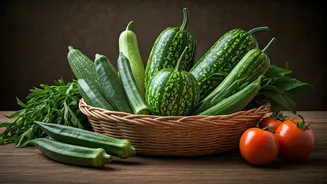
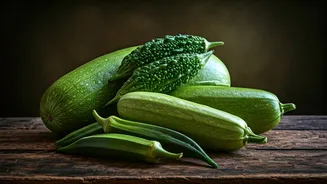
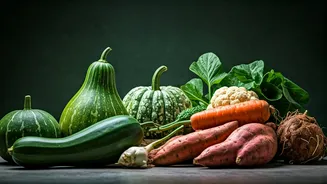
Vegetables, like all produce, get their nutrients from the soil and sun. When they are harvested at their natural peak, they are packed with the maximum amount of vitamins, minerals, and antioxidants. Monsoon vegetables like bottle gourd (lauki), bitter
gourd (karela), and Indian squash (tinda) are not just traditional choices; they are nature's way of providing exactly what our bodies need during this season. Out-of-season vegetables are often grown in artificial conditions or stored for long periods, which can significantly degrade their nutritional value. By choosing seasonal, you’re getting the most potent health benefits in every bite.
A Natural Immunity and Digestion Boost
The damp and humid monsoon weather is a breeding ground for infections, leading to a spike in colds, flu, and digestive issues. This is where monsoon veggies shine. Many are rich in Vitamin C and antioxidants, which are crucial for a strong immune system. For instance, bitter gourd is known for its immunity-boosting properties, while gourds like lauki are light on the stomach and easy to digest, preventing the bloating and indigestion common in this season. They are also high in fibre, which keeps your gut healthy—a cornerstone of overall immunity.
They Are More Affordable
The basic law of supply and demand works in your favour when you buy seasonal. During the monsoon, vegetables that thrive in these conditions are available in abundance. This surplus drives down the prices at your local market. Compare the cost of a kilogram of fresh spinach or fenugreek (methi) in the monsoon versus the peak of summer, and you'll see a significant difference. Choosing seasonal produce is one of the easiest and most effective ways to manage your grocery budget without compromising on quality or nutrition. You get better food for less money.
The Flavour is Simply Unbeatable
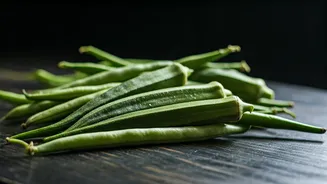
There's a reason why chefs and food lovers champion seasonal eating: flavour. A vegetable that is picked at the right time, from a nearby farm, simply tastes better. It’s crisp, fresh, and full of its natural flavour profile. Vegetables that have been cold-stored for months or transported over long distances lose moisture and texture, often tasting bland or watery. The vibrant taste of freshly plucked okra (bhindi) or the earthy sweetness of taro root (arbi) during the monsoon is a culinary experience that stored produce just can't replicate.
You're Helping the Environment
Your shopping choices have an environmental impact. When you buy out-of-season vegetables, you are often supporting a system that requires extensive resources. This includes energy for greenhouses, more pesticides to grow crops in unsuitable climates, and the fuel used for long-distance transportation and cold storage. All of this contributes to a larger carbon footprint. Buying local and seasonal produce reduces these "food miles" and the overall environmental strain, making it a more sustainable and responsible choice for the planet.
Your Monsoon Vegetable Shopping List
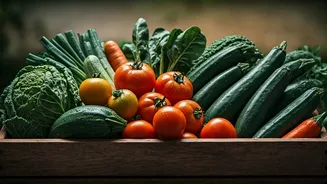
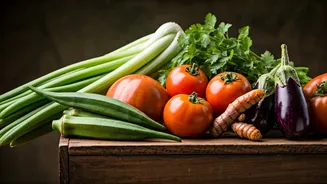
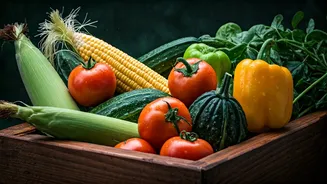
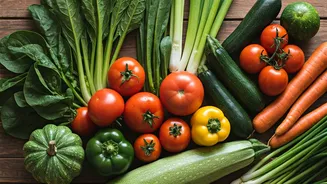
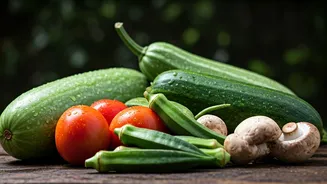
Ready to embrace the trend? Keep an eye out for these monsoon superstars at your local market. Gourds are a great place to start: look for bottle gourd (lauki), ridge gourd (turai), bitter gourd (karela), and pointed gourd (parwal). Leafy greens like spinach (palak) and amaranth greens (chaulai) are also excellent, provided they are washed thoroughly. Other great options include okra (bhindi), taro root (arbi), sweet potatoes (shakarkandi), and corn (bhutta), which is a classic monsoon snack for a reason. These vegetables are versatile and form the base of many delicious and healthy Indian dishes.