




More Than Just a Number
For years, the conversation around protein has been dominated by a single number: grams. But not all protein is created equal. The true value lies in its building blocks—amino acids. Our bodies need 20 different amino acids to function, nine of which
are 'essential,' meaning we must get them from food. Animal proteins are 'complete,' containing all nine in sufficient amounts. Most plant proteins are 'incomplete,' lacking in one or more. This has historically led to the belief that plant-based diets are inherently inferior in protein quality. However, the story is more complex than that, and it's not just about which amino acids are present, but how well our bodies can actually access them.
The Old Way of Measuring Protein
To bring order to this complexity, scientists developed scoring systems. For decades, the gold standard was the Protein Digestibility Corrected Amino Acid Score (PDCAAS). This method estimates protein quality by comparing a food's amino acid profile to human needs and correcting for overall digestibility. While a step forward, PDCAAS has significant limitations. Its biggest flaw is that it measures digestibility based on fecal analysis, which doesn't accurately reflect what happens in the small intestine where most amino acid absorption occurs. Gut bacteria in the large intestine can distort the results, often making plant proteins appear better than they are by this metric. Furthermore, PDCAAS values are capped at 1.0, meaning it can't distinguish between good and truly excellent protein sources like whey protein and milk protein.
A More Accurate Scale: DIAAS
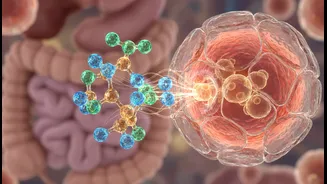
Recognizing these flaws, the Food and Agriculture Organization (FAO) recommended a more precise method in 2013: the Digestible Indispensable Amino Acid Score (DIAAS). Unlike its predecessor, DIAAS measures the digestibility of each individual essential amino acid at the end of the small intestine (the ileum). This provides a much more accurate picture of how many amino acids are truly absorbed and available for our bodies to use for things like muscle repair and immune function. DIAAS also isn't truncated at a maximum score, allowing it to rank high-quality proteins more effectively. For example, while soy protein isolate and whey protein have similar PDCAAS scores (0.98 and 1.0, respectively), their DIAAS scores show a much larger difference (0.90 vs 1.09), better reflecting their true nutritional value.
The Absorption Insight: Processing Matters
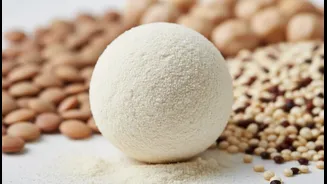
Here is where the latest insights become crucial. The DIAAS framework has spurred research into what really affects amino acid absorption, and a key factor is processing. Whole plant foods contain 'antinutrients' like phytates and protease inhibitors, which can hinder protein digestion. However, processing methods like fermentation, heating, or creating protein isolates can dramatically reduce these compounds and change the food's structure, making the protein more accessible. This means a pea protein isolate powder can have a much higher amino acid bioavailability than whole peas. Studies show that processing can turn a mid-tier plant protein into a high-quality one, with absorption rates that begin to approach those of animal proteins. For example, soy protein isolate has a significantly higher DIAAS score than unprocessed soy flour. This insight allows us to use the DIAAS scale more effectively, not just to score a raw plant, but to evaluate the final product we actually eat.
Smarter Choices for Plant-Based Eaters
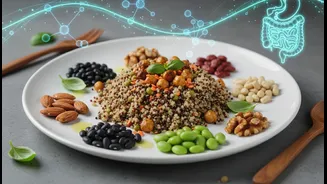
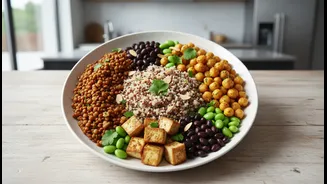
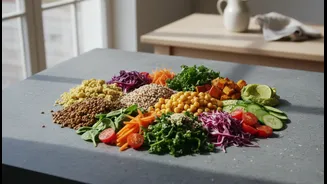
So, what does this all mean for your plate? It means we can be much smarter about plant-based protein. The new understanding of absorption confirms that combining different plant proteins is a powerful strategy. A meal of rice and beans, for instance, works because the amino acids lacking in one are supplied by the other. The DIAAS values of combined foods are additive, so a mixed meal can have a much higher protein quality score than its individual components. This enhanced utility of protein scales means we can look beyond a single food's score and focus on the quality of a whole meal or a whole day's intake. It validates the use of high-quality plant protein isolates and concentrates in products like protein powders and meat alternatives, showing they can be effective and efficient sources of essential amino acids. It empowers consumers to build a high-quality plant-based diet with confidence, knowing that with thoughtful choices, meeting protein needs is entirely achievable.