





For decades, navigating Indian cities on foot has been a challenge of navigating chaos. But a quiet revolution in urban design is taking hold, reclaiming streets for people and proving that cities can be both bustling and breathable.
From Traffic Corridors to Community Hubs
Indian cities have
long prioritized the relentless flow of vehicles, often at the expense of pedestrians. Narrow, broken, or non-existent footpaths, coupled with a lack of safe crossings, have made walking an unsafe and unpleasant experience. This car-centric model not only contributes to soul-crushing congestion and pollution but also isolates communities and restricts access for many. However, a new vision is emerging. Inspired by global movements and driven by local needs, urban planners and city governments are starting to see streets not just as channels for traffic, but as vital public spaces for community life, health, and economic activity.
Case Study: Chennai's Pedestrian-First Push
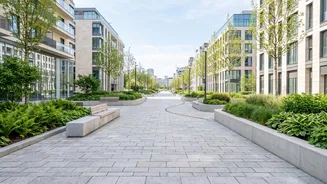
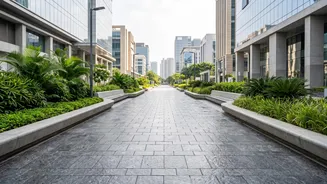
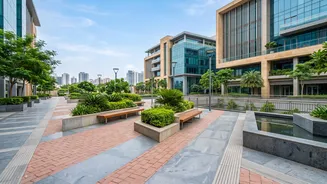
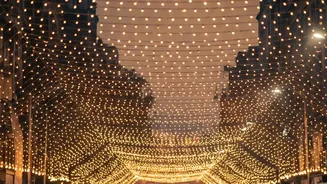
Chennai has become a prime example of this transformation. The city's 'Mega Streets Project' and the pedestrianisation of Pondy Bazaar in T. Nagar showcase a commitment to putting people first. The once-congested shopping hub was reimagined into a vibrant plaza with wide, continuous footpaths, designated play areas for children, public seating, and decorative lighting. Battery-operated vehicles are available to assist the elderly and persons with disabilities. The results are striking: shopkeepers reported a 15-20% increase in sales, and a recent study found 95% of users felt safer. The project's success has spurred plans to replicate the model in other heritage and commercial areas of the city.
Case Study: Pune's Walkable, Cyclable Streets
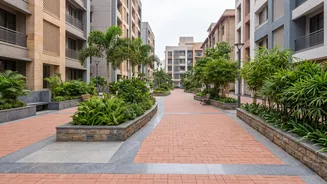
Pune, under its Smart City mission, has also become a torchbearer for creating people-friendly streets. Beginning in 2016 with the redesign of roads in Aundh, the city focused on 'Complete Streets'—a design philosophy that caters to all users. This involved creating wide footpaths, adding dedicated cycle tracks, implementing speed-calming measures like raised pedestrian crossings, and organizing spaces for street vendors. The transformed streets, now bustling with pedestrians and cyclists, are fondly called the 'Aundh Mall under a canopy' by locals. This model, which emphasizes citizen consultation, is now being replicated in other Indian cities like Coimbatore and Varanasi.
Designing for Everyone: The Meaning of 'Inclusive'
True reimagination goes beyond just wider footpaths. Inclusivity is at the heart of these new designs, ensuring spaces are safe and accessible for all, regardless of age, gender, or ability. This means incorporating 'universal design' principles. Features like tactile paving for the visually impaired, ramps instead of stairs, adequate and wellplaced seating for the elderly, and improved lighting to enhance safety for women are becoming standard. Some projects, like a women's restroom in Thane, have been transformed into multiuse social spaces that host art displays and awareness campaigns. By designing for the most vulnerable, cities create environments that are more comfortable and beneficial for everyone.
The Ripple Effect of Walkability
The benefits of creating walkable public spaces extend far beyond convenience. They are powerful public health interventions, encouraging physical activity and helping to combat noncommunicable diseases. By making walking a viable option for short trips, these initiatives reduce reliance on private vehicles, leading to lower carbon emissions and better air quality. Economically, vibrant, pedestrianfriendly areas see increased footfall, which boosts local businesses. Socially, these spaces become community crucibles where people can gather, interact, and relax, fostering a stronger sense of public life and belonging.