




An Unexpected Diversion
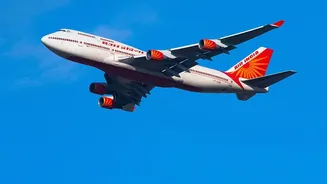
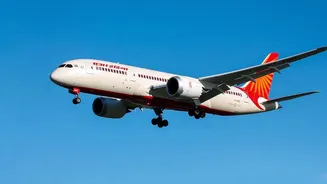
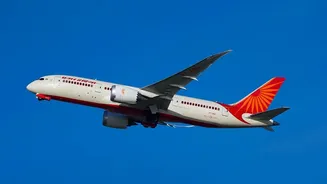
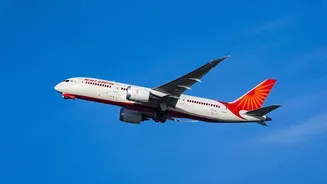
On the morning of October 14, 2026, Air India flight AI 2030, a Boeing 787-9 Dreamliner, was on its final leg from Frankfurt to New Delhi with 306 people on board. As it entered Indian airspace, a high-priority security alert was triggered, indicating
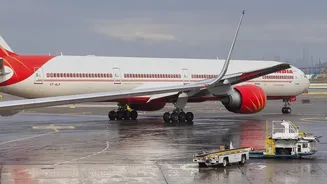
a potential hijacking. Instead of proceeding to its destination, the flight was immediately instructed to divert to Jaipur International Airport as a precautionary measure. It landed safely and was guided to an isolated bay, where security agencies prepared to intervene in a crisis that, thankfully, never was.
The 'Hijack' That Wasn't
The alert was based on the transponder code 'Squawk 7500', the internationally recognised signal for unlawful interference or hijacking. This code is designed to be a discreet way for pilots to signal extreme distress without verbal communication. When Air Traffic Control (ATC) receives this code, it triggers an immediate, top-level security response. However, upon landing in Jaipur, it quickly became apparent that there was no threat on board. The pilots confirmed that operations were normal, and after hours of security checks of the aircraft, passengers, and baggage, the flight was cleared to continue to Delhi. The incident was officially a false alarm.
A Glitch in the System?
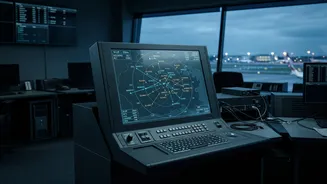
With the crew and aircraft cleared of any wrongdoing, the investigation has shifted focus from the cockpit to the ground. Initial theories of a pilot accidentally entering the code have been largely dismissed, with pilots noting the action requires deliberate input. Instead, India's aviation regulator, the Directorate General of Civil Aviation (DGCA), is now closely examining a possible technical malfunction in a newly installed ATC radar system in Mumbai. Investigators suspect the system may have erroneously generated or displayed the hijack alert, even though the pilots of AI 2030 insist they did not transmit the 7500 code. This raises critical questions about the reliability of the ground-based infrastructure that manages India's increasingly crowded skies.
The Official Response and Investigation
The DGCA has launched a full-scale investigation into the incident. Civil Aviation Minister K Rammohan Naidu has stated that the government will wait for the final report before considering any changes to security protocols, emphasizing the need to first understand exactly what happened. Air India issued a statement apologising for the disruption, citing a 'perceived security concern' and reiterating its commitment to passenger safety. The probe will involve a meticulous review of data logs from the aircraft, the ATC system, and communication records between the pilots and controllers to pinpoint the source of the erroneous alert.
Context and Consequences
While this incident ended without harm, it highlights a crucial tension in aviation safety. The system is designed to be hyper-cautious, treating every serious alert as a real threat until proven otherwise. This is essential for security. However, false alarms, especially if they are traced back to systemic glitches, can cause significant disruption, erode public trust, and place undue stress on passengers and crew. For the 306 people on flight AI 2030, the experience involved hours of uncertainty and delay. For the aviation authorities, it serves as a stark reminder that the complex interplay between human operators and automated systems requires constant vigilance and verification to ensure the safety of everyone in the air.