




Your Skin's Constant Balancing Act
Your skin has a natural protective barrier, known as the stratum corneum, which works like a well-built brick wall. Its main job is to keep good things, like water, in and bad things, like irritants, out. A key process it manages is called Transepidermal
Water Loss (TEWL), which is the natural evaporation of water from your skin into the air. When your skin barrier is healthy, TEWL is minimal. But when the barrier is weakened, water escapes too quickly, leading to problems. The humidity of your environment directly influences this process. The ideal humidity for skin is believed to be between 40% and 60%. Outside of this range, your skin has to work much harder to stay balanced.
The High Humidity Challenge: The Monsoon Effect
When humidity is high, like during India's monsoon season, the air is saturated with moisture. This can be a double-edged sword. On one hand, the rate of water evaporation from your skin slows down, which can help it stay hydrated. However, high humidity also signals your sebaceous glands to produce more oil (sebum). This excess oil mixes with sweat, which doesn't evaporate as quickly in muggy weather, along with dirt and dead skin cells. This combination creates a perfect storm for clogged pores, leading to blackheads, whiteheads, and acne breakouts. The warm, moist environment is also a breeding ground for acne-causing bacteria and can even lead to fungal infections.
Your Skincare Plan for Humid Days
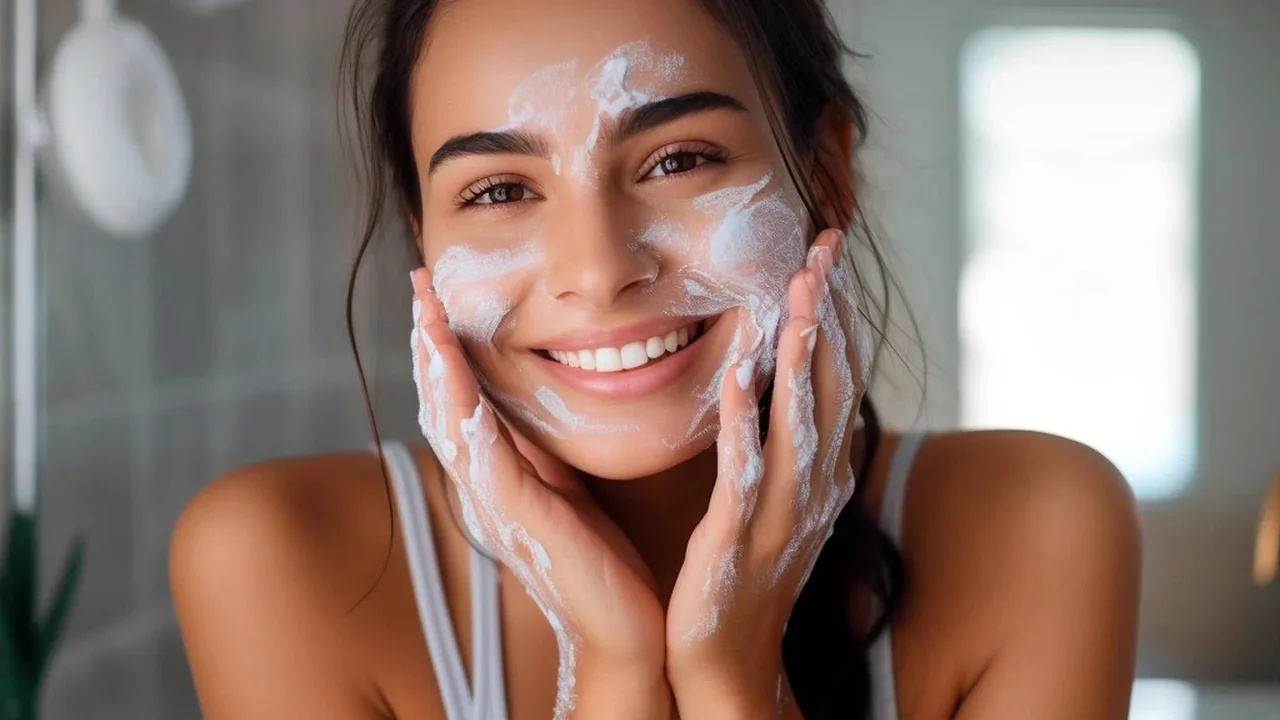
The goal in high humidity is to control excess oil and keep pores clear without stripping your skin. Start by switching to a gentle, foaming, or gel-based cleanser to effectively remove the buildup of sweat and oil. Exfoliating two to three times a week with an ingredient like salicylic acid can help keep pores clear and prevent breakouts. It might seem counterintuitive, but don't skip the moisturiser. Doing so can cause your skin to produce even more oil to compensate. Instead, opt for a lightweight, oil-free, or gel-based moisturiser that provides hydration without feeling heavy. Look for non-comedogenic products, which are formulated not to clog pores.
The Low Humidity Problem: Dry Winter Skin
In low humidity conditions, common during dry winters or in air-conditioned rooms, the opposite problem occurs. The dry air acts like a magnet, pulling moisture directly from your skin's surface and accelerating Transepidermal Water Loss (TEWL). This constant moisture loss weakens the skin barrier, leaving it unable to protect itself effectively. The result is skin that feels dry, tight, itchy, and may even become flaky or cracked. This dehydration can also make fine lines and wrinkles appear more prominent. Furthermore, a compromised barrier is more susceptible to external irritants and allergens, which can trigger or worsen conditions like eczema and dermatitis.
Your Skincare Strategy for Dry Conditions
When the air is dry, your focus should be on intense hydration and reinforcing your skin's barrier. Swap your light moisturiser for a richer, creamier formula that contains ingredients like ceramides, which help repair the skin barrier. Incorporate a serum with humectants like hyaluronic acid or glycerin. These ingredients act like tiny sponges, attracting and holding onto water to keep your skin hydrated. Be gentle with cleansing; avoid harsh, stripping soaps and hot water, which can further deplete your skin's natural oils. Using a humidifier in your bedroom at night can also make a big difference by adding moisture back into your immediate environment, giving your skin a break from the dry air.