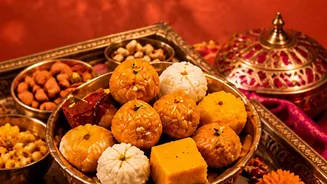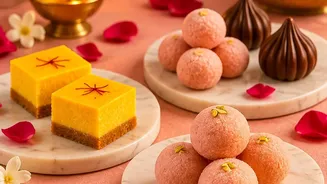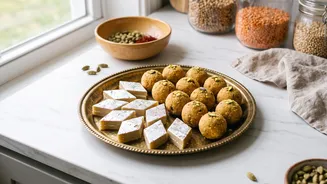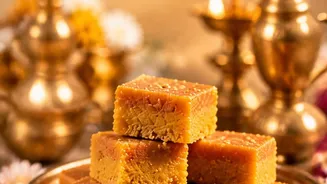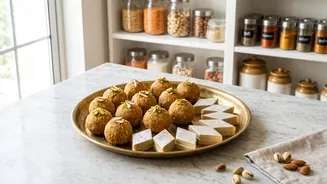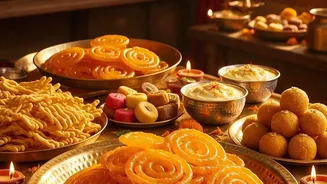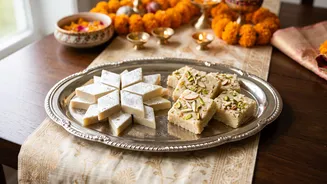


Diwali is synonymous with the joy of sharing mithai. But the sorrow of seeing those premium, nut-based sweets lose their freshness is all too real. A modern kitchen technique, vacuum sealing, offers a surprisingly effective solution.
The Science Behind Stale Sweets
Premium nut-based
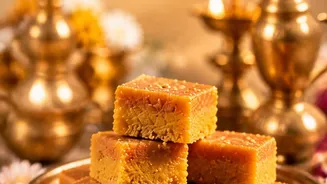
sweets, like the beloved kaju katli or badam barfi, owe their rich flavour and dense texture to ingredients like nuts, ghee, and sometimes milk solids. However, these very ingredients make them prone to spoilage. The two main culprits are oxidation and moisture loss. Oxidation occurs when the fats and oils in nuts and ghee are exposed to air. This process turns them rancid, creating an unpleasant, stale taste that ruins the delicate flavour of the mithai. At the same time, exposure to air causes moisture to evaporate from the sweets. This leads to a hard, dry, and crumbly texture, a sad fate for what should be a melt-in-your-mouth experience. Microorganisms like mould and bacteria also need oxygen and moisture to thrive, posing another risk to your festive treats.
How Vacuum Sealing Fights Spoilage
Vacuum sealing tackles these issues head-on by removing the primary cause: air. By placing the sweets in a special bag or container and sucking out nearly all the air, you create an environment with very little oxygen. This dramatically slows down the oxidation process, preventing the fats in the nuts and ghee from going rancid. The airtight seal also locks in the existing moisture, ensuring your sweets retain their intended soft and fudgy texture for much longer. Without oxygen, the growth of most common spoilage microbes is significantly inhibited. It's a simple but powerful way to preserve not just the food, but the taste, aroma, and texture you paid a premium for. One study even found that this method could extend the freshness of some sweets for months.
Which Mithai Are Best for Sealing?
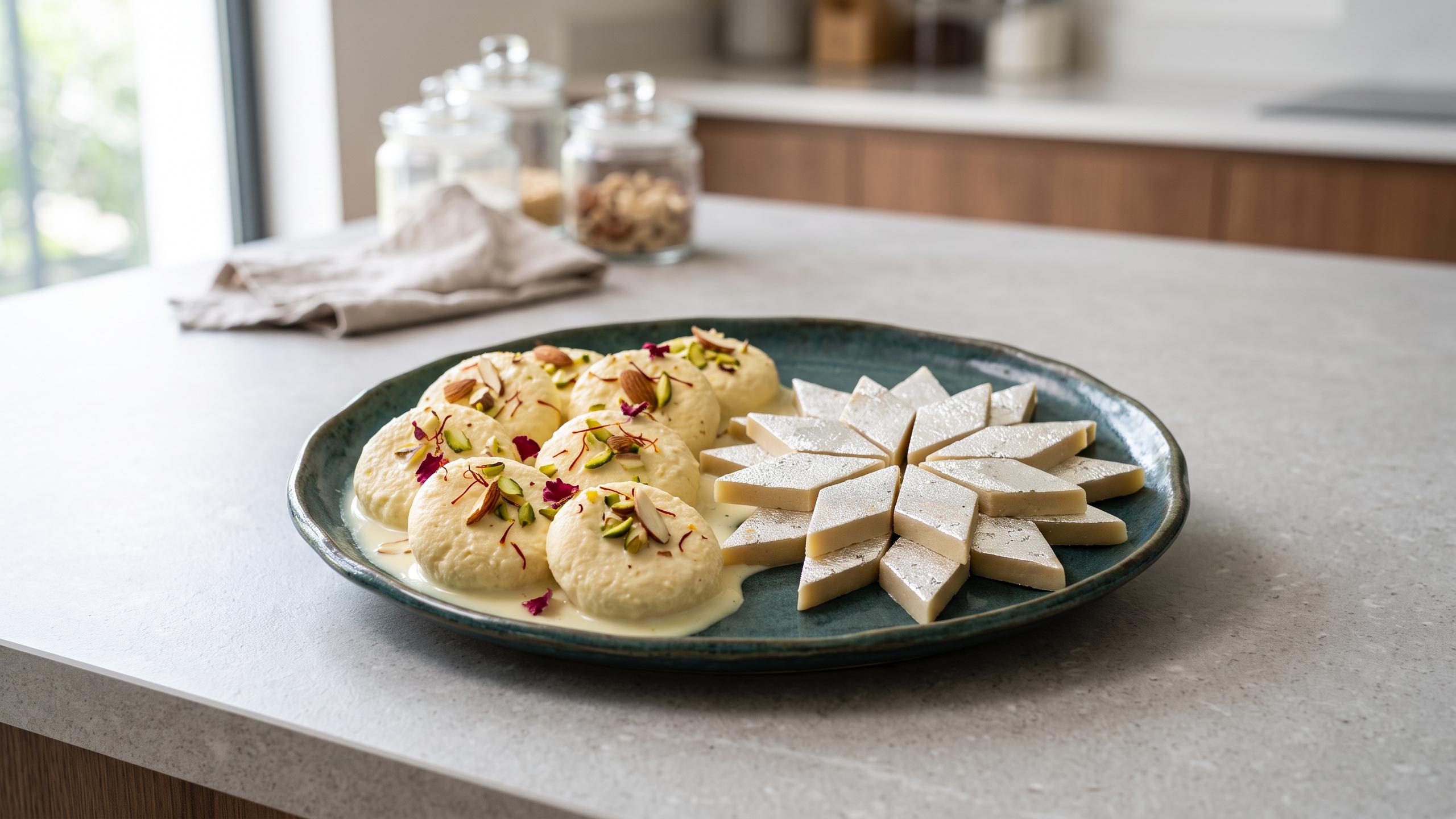
This technique works best for sweets with a lower moisture content and a firm, dense structure. Premium nut-based varieties are ideal candidates. Think of kaju katli, pista barfi, badam barfi, and dry fruit rolls. Drier sweets like besan ladoo also hold up very well. However, it's best to avoid vacuum sealing extremely delicate or syrupy sweets. Very fragile items like soan papdi can be crushed by the pressure of the vacuum. Highly moist or syrup-soaked sweets like gulab jamun or rasgulla are generally not suitable for this method, as their liquid content can interfere with the sealing process and their texture is more likely to change.
A Step-byStep Guide to Sealing
The process is straightforward. First and most importantly, allow your sweets to cool completely to room temperature before sealing. Trapping heat creates condensation, which adds unwanted moisture and can compromise freshness. Arrange the sweets in a single layer inside the vacuum sealer bag. For delicate items like katli, consider placing a sheet of parchment or butter paper between layers to prevent them from sticking together or losing their shape. Many vacuum sealers have a 'pulse' or 'gentle' setting, which gives you more control over the pressure—this is perfect for ensuring the sweets are not crushed. Once arranged, simply follow your machine’s instructions to remove the air and create a tight seal. For commercial shipping, vacuum sealing is a preferred method for preserving mithai.
Proper Storage After Sealing
While vacuum sealing provides a powerful protective barrier, it doesn't eliminate the need for proper storage. The combination of sealing and correct storage is what truly extends shelf life. Once sealed, the packages should be stored in a cool, dark, and dry place, like a pantry or cupboard, away from direct sunlight or heat sources. For sweets that contain milk products like khoya or paneer, or for maximum longevity, storing the vacuum sealed packs in the refrigerator is the best practice. When you're ready to enjoy them, allow the refrigerated sweets to sit at room temperature for about 15–20 minutes before serving. This helps restore their optimal texture and flavour.