






What Are Naturally Occurring Sugars?
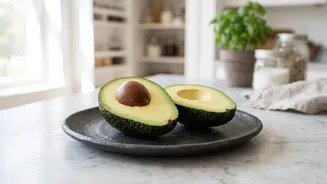
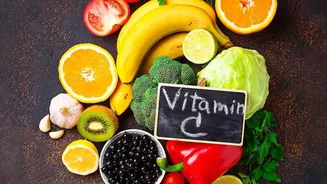
Naturally occurring sugars are exactly what they sound like: sugars that are found naturally in whole, unprocessed foods. The most common examples are fructose in fruits and vegetables, and lactose in dairy products like milk and plain yogurt. These sugars are part
of a food's original structure, just as nature intended. When you eat an apple or drink a glass of milk, you're consuming natural sugars. They come as a complete package deal with other essential nutrients.
And What Are Added Sugars?
Added sugars are any sugars or syrups put into foods or drinks during processing or preparation. Think of the sugar you stir into your chai, the jaggery in a sweet, or the high-fructose corn syrup in a bottle of soda. These are added to enhance flavour, texture, or to act as a preservative. They are not naturally part of the food. Common culprits packed with added sugars include biscuits, breakfast cereals, sauces, flavoured yogurts, and sweetened beverages.
Does Your Body Tell the Difference?
Here's where it gets interesting. On a chemical level, a molecule of fructose from an apple is the same as a molecule of fructose from high-fructose corn syrup. Your body metabolises them in the same basic way to create energy. However, the context in which they are delivered is vastly different, and this is what truly matters for your health. The key difference isn't the sugar itself, but the company it keeps.
Why the 'Package' Matters Most
Natural sugars in whole foods come bundled with fibre, water, vitamins, and minerals. This 'package' slows down digestion and the absorption of sugar into your bloodstream. The fibre in a piece of fruit, for example, makes you feel full and prevents the rapid blood sugar spikes and crashes associated with processed sweets. Added sugars, on the other hand, are often called 'empty calories' because they offer energy with little to no other nutritional benefit. They are absorbed quickly, leading to a sharp rise in blood sugar, which can leave you feeling hungry and irritable soon after.
Health Guidelines Target Added Sugars
This is why major health organisations focus their recommendations on limiting added sugars, not the natural sugars in fruit and milk. A diet high in added sugars is linked to a greater risk of health issues like weight gain, type 2 diabetes, and heart disease. The Dietary Guidelines for Americans suggest limiting added sugars to less than 10% of your total daily calories. For someone on a 2,000-calorie diet, that's about 50 grams, or 12 teaspoons, per day. The American Heart Association suggests an even lower limit of about 6 teaspoons for women and 9 for men.
How to Spot Hidden Added Sugars
Food manufacturers use many different names for sugar, which can make it tricky to spot on an ingredients list. Ingredients are listed by weight, so check the first few. Be wary if you see sugar, or one of its aliases, listed near the top. A common tactic is to use several different types of sugar so that no single one is the main ingredient. Look for words ending in '-ose' (like sucrose, dextrose, fructose) and terms like corn syrup, maltodextrin, invert syrup, molasses, and even seemingly 'natural' sweeteners like honey, agave, or fruit juice concentrate when they are added to a product.